Essential 1980s Jazz/Rock Albums (Part 1)

1980s jazz/rock generally gets the side-eye these days.

But it wasn’t all the Chick Corea Elektric Band prancing around the stage in tracksuits or pitiful WAVE-style smooth jazz.

The 1970s jazz/rock pioneers were mostly going strong and if some were too tempted by synths and drum machines, the best music was made by sticking pretty rigorously to the tried-and-tested real drums/bass/guitar/keys lineup favoured by Miles, Weather Report, Return To Forever et al.

So here’s a selection of 1980s jazz/rock albums that have consistently gripped movingtheriver, most of which he queued up to buy at the HMV or Virgin Megastore, or found in an Our Price bargain bin. (These are not proggy or funky. So no Herbie, Brecker Brothers, David Sanborn or David Torn, but there are elements of R’n’B/Latin/soul/whatever mixed in with the jazz).

Bireli Lagrene: Foreign Affairs (1988)
Just 21 years old when he recorded it with producer Steve Khan, the French guitarist’s second Blue Note album is a cohesive gem and massive improvement on the debut, with terrific contributions from keyboardist Koono and drummer Dennis Chambers.

Ornette Coleman: Virgin Beauty (1988)
One of the most ‘accessible’ albums of the master’s career, with memorable melodies, a brilliantly expressive bassist (Al McDowell) and some decidedly odd guest appearances from Jerry Garcia.

Tribal Tech (Scott Henderson/Gary Willis): Nomad (1988)
Recorded in April 1988 but not released until early 1990, guitarists were rightly wowed by Henderson’s brilliance, a mixture of Michael Brecker, Allan Holdsworth and Stevie Ray Vaughan, while the rhythm section is groovy and propulsive and both Henderson and Willis’s compositions are excellent. And ‘Tunnel Vision’ may feature the perfect guitar solo…

John McLaughlin: Mahavishnu (1984)
OK there are some question marks in the keyboard and sax departments, and a few mediocre tracks, but Billy Cobham has rarely sounded better and John contributes three or four classic compositions and a few brilliant solos to this reunion album of sorts.

Marc Johnson’s Bass Desires: Second Sight (1987)
Wonderful interplay between guitarists John Scofield and Bill Frisell, plus some classic compositions including Scofield’s surf-rock-meets-jazz ‘Twister’, Frisell’s Monk-like ‘1951’ and Johnson’s moving ‘Hymn For Her’.

Larry Carlton: Last Nite (1987)
Guitarists of all stripes were blown away by Carlton’s playing in the 1980s, and here’s the best evidence, captured live at LA’s Baked Potato club with Alex Acuna, Abe Laboriel and JR Robinson.

Human Chain: Cashin’ In (1988)
This Brit jazz/rock classic, released on EG Records, had elements of the Canterbury sound, West Coast cool jazz and 1980s Weather Report, featuring Django Bates’ fantastic keys and French horn and some weirdly impressive guitar and fretless bass from Stuart Hall (who he?).

Hiram Bullock: Give It What U Got (1988)
All the fun of the fair from this gifted but troubled guitarist: raunchy funk/rock, instrumental Steely Dan, Brecker Brothers horns, classic fusion and an Al Jarreau guest appearance on a Sam Cooke tune, but all shot through with jazz chords and Hiram’s lyrical playing.

Ronald Shannon Jackson: Mandance (1982)
Ornette-style harmolodics and Mingus-like ensemble work meet NYC punk-jazz on the drummer’s intriguing and powerful album, recorded live in the studio, featuring future Living Colour axeman Vernon Reid.

Weather Report: Sportin’ Life (1985)
It was a toss-up between this and Night Passage, both classics, but this gets the nod courtesy of the newly-minted rhythm section of Omar Hakim and Victor Bailey, plus a few classic Wayne Shorter tunes including ‘Face On The Barroom Floor’ which reportedly Joni Mitchell was particularly smitten by.

Wayne Shorter: Atlantis (1985)
Wayne again, fronting this fascinating, complex song-cycle featuring Alex Acuna on drums and Joni’s husband Larry Klein on bass. Takes some time to digest, but like a good wine gets better every year.

Allan Holdsworth: Secrets (1989)
A toss-up between this and Metal Fatigue, this gets in because of his delicious guitar tone and the inspired contributions of drummer Vinnie Colaiuta – ‘City Nights’, ‘Spokes’, ‘Peril Premonition’ and ‘Joshua’ are musical landmarks. Fiery, exciting, unmissable.

Steps Ahead: Modern Times (1984)
Messrs Brecker, Erskine, Mainieri, Gomez and Bernhardt were embracing some new technology but they never let it overshadow the mostly excellent compositions with telling solos, particularly from Brecker.

John Scofield: Still Warm (1985)
Take your pick between this, Blue Matter and Loud Jazz, all fantastic pieces of work, but Still Warm gets the nod courtesy of its dynamite rhythm section (Darryl Jones and Omar Hakim) and arguably John’s best writing of the ’80s.

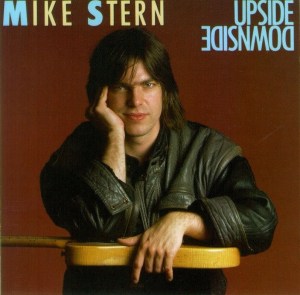
Mike Stern: Upside Downside (1986)
Produced by Hiram Bullock and featuring a crack band including Dave Weckl on drums, it showcases Stern’s finest/fieriest playing on record to date and also one of Jaco Pastorius’s last notable appearances. Still the best Stern solo album and quite extreme in its own way.

(If you’re new to any of these albums and they float your boat, please consider buying physical copies to support the artists.)

Book Review: Elegant People (A History of the band Weather Report) by Curt Bianchi

‘The baddest shit on the planet’ – that was Weather Report keyboardist/co-founder/chief composer Joe Zawinul’s assessment of his band’s music.

He wasn’t alone – many credit them as the greatest jazz/rock unit in history, pretty impressive considering they developed out of a ‘scene’ that also included The Mahavishnu Orchestra, Return To Forever and Herbie Hancock’s Head Hunters.

Curt Bianchi has run the acclaimed Weather Report Discography website for many years and now expands his study to create the excellent ‘Elegant People’, an elaborate history of the band which features a myriad of exclusive interviews, photographs and information.

It has Brian Glasser’s effective Zawinul biography ‘In A Silent Way’ in the rear-view mirror but emerges as a very different proposition. Bianchi initially looks in detail at the formative years of Zawinul and co-founder/saxophonist Wayne Shorter, with sobering tales of the young Zawinul’s experiences in wartime Vienna and fascinating insights into Shorter’s extended periods in the bands of Maynard Ferguson, Art Blakey and Miles Davis.

The sections on Weather Report’s formation around 1970 are fascinating. Columbia’s marketing of them as a ‘progressive’ – rather than ‘jazz’ – band led to some interesting dichotomies; Shorter and Zawinul were already established superstars in their field but often had to engage in fairly menial/minor promotional work just to get a foot in the door with rock audiences. We also learn about the other potential band names that hit the cutting-room floor before ‘Weather Report’ appeared.

Bianchi then expertly traces the group from those early days as a kind of ‘chamber’ jazz/rock unit to their status as a ‘power band’ around the arrival of bassist Alphonso Johnson and drummer Chester Thompson in 1975, and the subsequent boost with the recruitment of Jaco Pastorius and Peter Erskine.

Bianchi brings the albums to life with great gusto. There’s a rare photo from the Night Passage sessions at The Complex in Los Angeles, and the last-ever photo of the Jaco/Erskine band taken at the Power Station in NYC, with Jaco almost a ghost at the back of the shot (shades of that famous final Syd Barrett photo with Pink Floyd). Elsewhere there are ticket stubs and even session track sheets.

And fans of Weather Report’s 1980s music can rest assured that Bianchi doesn’t give that era short shrift – there’s almost as much about the last few albums Sportin’ Life and This Is This (and many of Zawinul and Shorter’s post-Weather Report projects) as there is about commercial breakthroughs Black Market and Heavy Weather.

So ‘Elegant People’ is surely the ultimate Weather Report book – it’s an absolute must for fans and those wanting a deeper dive into the band’s music.

Larry Carlton: Last Nite 30 Years On

In a previous piece about Robert Cray, I talked about ‘touch’ guitarists, those whose sounds are almost entirely in their fingers and not dependent on pedals or amps.

Larry Carlton is certainly one of them. He played some of the great guitar of the 1970s with Steely Dan, The Crusaders, Michael Jackson and Joni Mitchell, his sound characterised by a deceptively ‘sweet’ take on the blues, alongside elements of jazz and rock. In the early ’80s, he put out some fine studio albums including Sleepwalk and Friends, but ’87’s Last Nite was his first official live release.


And what an album. In 1987, I was a big fan of his playing with Steely Dan but had never heard any of his solo stuff. A glowing review of Last Nite in Q Magazine sent me scuttling off to my local Our Price. Recorded on 17th February 1986 at the Baked Potato club in North Hollywood, the album is Larry uncut, blowing on a mixture of originals and jazz standards, with no thought of commercial or airplay potential.

It’s hard to think of another guitarist who could cover such a stylistic range so effortlessly. He kills on the slow blues, tears up the fast Texas-style shuffle, delivers deliciously ‘out’ fusion on the title track and swings his ass off on ‘All Blues and ‘So What’, though with a pleasingly piercing tone as opposed to the warm sound favoured by most ‘jazz’ players.

He’s also endlessly melodic, producing memorable phrase after memorable phrase. But don’t be fooled by the beatific expression and cream jacket – he isn’t afraid of throwing in some pretty wacky modal curveballs too.

Another key aspect of Last Nite is Carlton’s band. He uses the cream of the LA studio scene – John ‘JR’ Robinson on drums, Abe Laboriel on bass, Alex Acuna on percussion – and brings them right out of their comfort zone. Apparently they didn’t know ‘So What’ and ‘All Blues’ were on the setlist until Larry called them.

JR in particular is a revelation, sounding like he’s been cooped up in the studio for far too long. And who knew he could swing like he does on the jazz cuts. Keyboard player Terry Trotter also impresses with his rich voicings and empathetic accompaniment.

Sadly, Last Nite turns out to be a bit of an anomaly in Larry’s discography, marking the beginning of an era when he was veering more and more towards a much smoother studio sound. But he’s always ripped it up in the live arena and has spent a lot more time on the road in his later years.

Happy birthday to a true guitar classic.

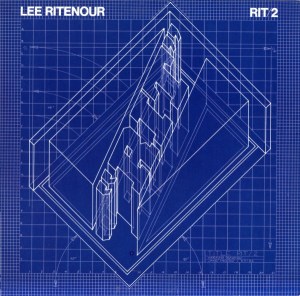
Lee Ritenour: Rit 2

ritenourSequels are seldom a good idea in the movie business, and thankfully they’re a lot less prevalent in the music game.

But one of the most successful ‘franchises’ of the ’80s was guitarist Lee Ritenour’s Rit/Rit 2 combo, now re-released by Cherry Red on a single CD, and they’re two of the best-sounding albums of the era.

Of course that shouldn’t be a huge surprise when you notice the presence of names such as Humberto Gatica, David Foster, Harvey Mason, Jeff Porcaro, Jerry Hey, Abe Laboriel, Alex Acuna and Greg Philinganes on the song credits, but then again a lot of albums at that time featured all the right ‘names’ but didn’t deliver the goods.


But if 1982’s Rit 2 is not quite in the same league as its predecessor, it’s still another classic piece of sumptuously-produced, blissed-out West Coast AOR with touches of jazz and soul, helped by the excellent vocals, keyboards and songwriting of Eric Tagg.

To these ears, it sounds as if Quincy Jones had produced Toto and got a good singer and a few decent songwriters in.’Promises Promises’ is superior disco/funk/rock and wouldn’t sound out of place on Quincy’s The Dude or Jacko’s Thriller.

‘Dreamwalkin’ is kind of the ‘happy’ version of Earth Wind & Fire’s ‘After The Love Has Gone’ and would make a great theme song for a an early-’80s, California-set Chevy Chase/Goldie Hawn vehicle. Ditto ‘Keep It Alive’.

‘Tied Up’ and ‘Voices’ initially seem like standard AOR fare, but reveal their superiority with interesting, layered vocal arrangements and surprising chord changes (and a classic bit of Porcaro drums on the latter).

But the real standout is killer instrumental ‘Road Runner’ featuring Harvey Mason’s incredibly intricate hi-hat work, a spicy Jerry Hey horn arrangement, some tasty Fender Rhodes from Philinganes and a corking set of solos from Ritenour.

Ritenour tried to repeat the formula on ’84’s less successful Banded Together before embarking on a decade of underwhelming instrumental smooth jazz with the occasional high point.

But Rit and Rit 2 are classics of their kind and belong alongside Steely’s Gaucho, Randy Crawford’s Secret Combination, Quincy’s The Dude, Michael Jackson’s Thriller and George Benson’s Give Me The Night as key albums of the era.

Wayne Shorter: Atlantis 30 Years Old Today

Wayne-Shorter-Atlantis--Press-K-486376It’s not easy to write about an album that’s so much part of your musical DNA that it haunts you in the middle of the night and yet reveals fresh nuances every time you listen to it.

But first of all, I have to declare an interest – Wayne is one of my all-time musical heroes and has been since I was a teenager when his sax playing and compositions with Weather Report and Miles Davis totally bewitched me.

It wouldn’t be an overstatement to say that it took me 20 years to really appreciate Atlantisand also to realise that it had to be listened to on CD and listened to loud. The recent remaster, as part of Wayne’s Complete Albums Collection, is the best I’ve ever heard it.

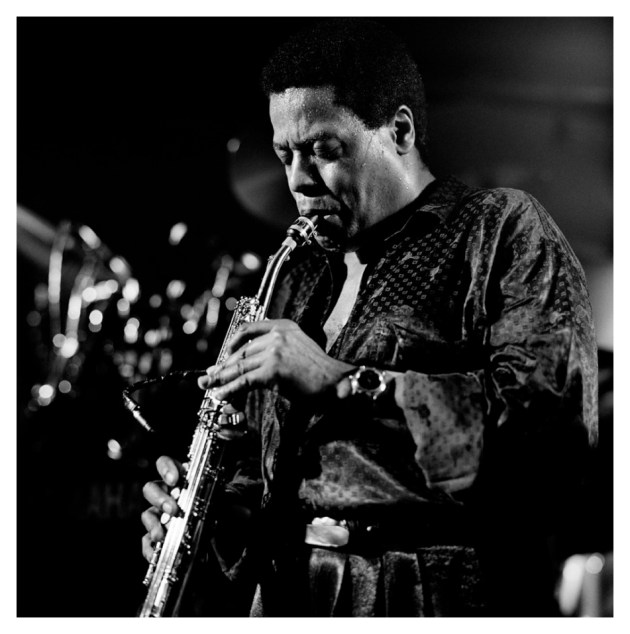
Wayne at The International, Manchester, 1989. Photo by William Ellis

Wayne at The International, Manchester, 1987. Photo by William Ellis

How to describe the magical though totally uncompromising music on Atlantis? It was Wayne’s first solo release after the official split of Weather Report and it’s fair to say it wasn’t the album many fans and critics were expecting.

It surely remains Wayne’s least understood work.  It’s ostensibly an album of through-composed, acoustic ‘fusion’, but that barely covers it. Someone once described it as the soundtrack to an animated children’s book.

Wayne seems to be weaning listeners away from a more bombastic form of jazz/rock towards a new combination of jazz, R’n’B and Third Stream which utilises sophisticated counterpoint and pure composition.

Shorter is the only player who gets any significant solo time. Acoustic piano, flute, vocals and multiple saxes supply the dense, challenging, sometimes dissonant harmonies.

Atlantis could hardly be described as a ‘jazz’ album at all; ensemble work and composition generally override individual expression, and none of the tracks ‘swing’ in a conventional sense. And yet it’s still an utterly melodic set, full of memorable, criss-crossing themes which jostle for your attention. It takes time to work its magic, but work its magic it does.

The phenomenal opener ‘Endangered Species’ (recently massacred by Esperanza Spalding) is somewhat of a  ‘sweetener’ at the top of the album, like Sirens luring sailors to their deaths, as Shorter biographer Michelle Mercer noted.

Many people, me included, struggled to get very far past it since the remainder of Atlantis sounded somewhat prim and precious in comparison. I wanted to hear Zawinul and Jaco’s blistering lines, Omar Hakim’s colourful drumming, some virtuosity.

But when I studied Atlantis more closely, there are many subtle displays of instrumental mastery. Ex-Weather Report drummer Alex Acuna plays a blinder throughout, blazing through the outro of ‘Who Goes There’, Larry Klein’s bass playing is nimble and impressive (try playing along to Wayne’s intricate written lines), Michiko Hill’s piano comping is inventive and Wayne plays some fantastic solos, particularly his Rollins-style tenor on calypso-flavoured ‘Criancas’.

I remember seeing Wayne playing much of this music live to a barely-half-full London Shaw Theatre in late 1985 – it seems that audiences, booking agents and press officers alike were finding his post-Weather Report music a hard sell at this point.

Critics were generally puzzled too, although Robert Palmer noted in the New York Times that ‘it’s not an album one should listen to a few times and then knowledgeably evaluate… It is an album to learn from and live with.’

wayne shorter

But if Atlantis was misunderstood and less than commercially successful on its original release, it seems to be gaining fans in the 30 years since.

A good yardstick is that several compositions from the album are still regularly played by Shorter’s esteemed current quartet, particularly the title track, an eerie, labyrinthine tango.

‘The Three Marias’, a treacherous tune in 6/4 inspired by press reports of three Portuguese woman being arrested for writing obscene literature, has even been the unlikely recipient of a few cover versions, perhaps most notably (though not wholly effectively) by ex-Police guitarist Andy Summers.

Thanks to William Ellis for use of his photo.

(P.S. I’m taking one mark off for ‘Shere Khan The Tiger’ which was far better rendered on Carlos Santana’s 1980 album The Swing Of Delight, a version which featured Herbie Hancock on piano, Ron Carter on bass and Harvey Mason on drums.)