But now to the music – how does it stand up in 2025?
‘If You Love Somebody Set Them Free’ was a ‘corrective’ for ‘Every Breath You Take’, an anti-surveillance, anti-control relationship song.
Sting’s demo apparently sampled Omar Hakim’s snare from Bowie’s ‘Let’s Dance’, much to the drummer’s amusement. Listen out for Sting’s great rhythm guitar in the middle eight.
It was the lead-off single from the album but only reached #26 in the UK (#3 in the States), despite a superb Godley and Creme video.
‘Love Is The Seventh Wave’ was a last-minute jam (with Sting on bass?) and the album’s second single (missing the top 40 completely), while ‘Shadows In The Rain’ was the first thing the band recorded at Eddy Grant’s studio while waiting for Marsalis to show up.
During the saxist’s overdub, reportedly he wasn’t told anything about the track, just told to start playing. Apparently Sting mumbles ‘A-minor’ when asked by Branford what key the song’s in…
Sting has gone on record as saying that ‘Russians’ was supposed to be an ‘ironic’ song in the Randy Newman/Mose Allison mold, and it was the only decent hit in the UK (#12) when released as a Christmas single in December 1985.
Though particularly well-sung (but with an annoying slap-back echo), it sadly misses with its annoyingly on-the-nose lyrics and Kirkland’s cheapo synth backing.
This song really needed the Trevor Horn, Steve Lipson or even Hugh Padgham treatment, as did ‘We Work The Black Seam’.
But there’s much better stuff elsewhere. ‘Children’s Crusade’ was reportedly a second take, recorded totally live, with Sting replacing his vocals later.
He taught ‘Consider Me Gone’ to the band in the studio. Reportedly they tried a few unsuccessful takes, then Eddy Grant brought in the president of Guyana to say hello. They nailed it immediately afterwards. Sting’s voice is superb here, on the edge of hysteria.
The brief, Thelonious Monk-like title track (also with Sting on bass?) features a mind-bending Kirkland piano solo which amazed me as kid. I didn’t understand its ingenious polyrhythms at all. I do now but it still sounds brilliant.
‘Moon Over Bourbon Street’ (Sting on bass?) is musically heavily influenced by the jazz standard ‘Autumn Leaves’ and lyrically inspired by Anne Rice’s book ‘Interview With A Vampire’.
Kirkland’s synth oboes are a bit naff – couldn’t Sting afford real ones? It missed the top 40 when released as the album’s fourth and final single.
‘Fortress Around The Heart’ marries a stunning chorus to some seriously tricky verse modulations (Rick Beato’s great video runs them down). One can take or leave the rather heavy-handed symbolism of the lyric, guaranteed to wind up the post-punk critics, but at least Sting was stretching.
The album’s third single, ‘Fortress’ also missed the top 40 (Sting has always been a surprisingly unsuccessful solo artist with regard to the UK singles chart).
Ultimately Turtles is a bitty album, evidently put together very quickly. Every song is different and it seems a template for potential future projects (arguably Sting only really got his solo career on track with the followup …Nothing Like The Sun) rather than a confident debut.
The playing is predictably great though. Everyone gets their chance to shine…expect Darryl Jones, who is weirdly anonymous.
Sting was apparently obsessed with the Synclavier digital sampler during 1984 but admirably resisted a machine-tooled, over-produced album.
Still, for someone so keen to distance himself from The Police, maybe it’s odd that he rerecorded a Police song for the album and also named his next album/film after a Police song….
Sting and band did some ‘secret’ gigs at the Theatre Mogador in Paris just before the album release on 17 June 1985, and if memory serves this writer bought it the week it came out. It was one of many exciting buys during that landmark summer of 1985 (see below for more).
Turtles was immediately a big hit, reaching #3 in the UK and #2 in the States. It also earned a Grammy nomination for Album of the Year (admirably, Sting didn’t play any songs from it during his Live Aid appearance in July).
Then, in a turn of events that must have amused him, readers of Rolling Stone magazine voted Sting #2 jazz artist of 1985 (after Wynton Marsalis) and voted Turtles #2 album of the year (after Brothers In Arms).
He was also #2 male singer and #2 songwriter, both behind Springsteen, and #2 bassist, despite the fact that he probably didn’t pick up a bass during 1985…
Then of course there was the ‘Bring On The Night’ tour, album and movie, of which much more soon.
(PS – What a stunning series of album releases during summer/autumn 1985: Boys And Girls, Cupid & Psyche ‘85, Turtles, A Physical Presence, A Secret Wish, Hounds Of Love, Around The World In A Day, Brothers In Arms, Steve McQueen, You’re Under Arrest, Dog Eat Dog etc. etc…)
At the end of 1984, Sting seemed hellbent on erasing (albeit temporarily) any traces of The Police.
Buoyed by his happy relationship with Trudie Styler, he was falling back in love with music (but not, apparently, the bass guitar) and studying Brecht and Weill.
‘I cry a lot. I’m moved easily by a chord progression,’ he told Musician mag at the time.
He was also developing some solo material. But there was no band.
He moved FAST. In late 1984, he asked his friend, musician and writer Vic Garbarini, to put some feelers out in New York City.
By January 1985, saxophonist Branford Marsalis had been recruited (helped by the fact that Sting had heard that The Police were his favourite band) and some audition workshops were set up, attended by some of the hottest young fusion and funk musicians in the city.
Then, during a dinner break near AIR Studios in Montserrat while working on Dire Straits’ ‘Money For Nothing’, Sting met drummer Omar Hakim for the first time, who was another quick shoo-in (Omar apparently jokingly auditioned with knife and fork at the table).
At New York’s SIR rehearsal studios in January 1985, Sting, sitting in front of his Synclavier, with a Fender Tele at his side, bassist Darryl Jones (who was still playing with Miles Davis), Hakim and keyboardist Kenny Kirkland jammed on Police songs ‘One World’, ‘Demolition Man’ and ‘Driven To Tears’.
Sting then set them to work on a new song, ‘Children’s Crusade’, playing the demo over the studio speakers. He had found his band (Sting also found time to guest on Miles’s ‘One Phone Call’ during this time).
Sting, Marsalis, Hakim, Kirkland and Jones did a few surprise gigs at The Ritz club in New York City in late February. By early March 1985, after an aborted try at Compass Point Studios in Nassau, they were recording Turtles at Eddy Grant’s Blue Wave Studios in Barbados.
Pete Smith was engineering and co-producing, who had impressed Sting while helping record his Synchronicity demos.
But Sting was panicking about his voice, and the fact that he was going right outside his comfort zone. With good reason. This new music, light and drawing on jazz, funk and folk forms, was nothing like The Police. A&M Records were depending on a hit.
There wouldn’t be one note of distorted guitar on the album. It was more in line with Sade or Simply Red (but of course the musicianship was on a different planet to those artists). And the production and arrangements were very minimalist by mid-‘80s standards.
Next time: the album, track by track – and has it stood the test of time?
You could put forward a pretty good case that John Scofield was THE guitarist of the 1980s.
Probably best known for his incendiary playing in Miles Davis’s band between 1982 and 1985, he also enjoyed a distinguished solo career.
Whilst focusing on straightahead jazz during the early part of the decade, his stellar ‘fusion’ period between 1984 and 1988 – encompassing classic albums Electric Outlet, Still Warm, Blue Matter, Pick Hits Live and Loud Jazz – featured excellent original compositions and formidable players such as David Sanborn, Don Grolnick, Omar Hakim, Darryl Jones, Dennis Chambers, Hiram Bullock and George Duke.
In the meantime Sco was much in demand as a sideman, playing with everyone from Terri Lyne Carrington to Tommy Smith (this playlist gathers some of his greatest music of the 1980s) whilst also teaming up with fellow guitarist Bill Frisell, drummer Peter Erskine and bassist Marc Johnson in the latter’s Bass Desires project that produced two classic albums on ECM Records: Bass Desires and Second Sight.
Immediately recognisable with his chorus/overdrive sound and molten, legato style – always informed by the blues – Scofield’s solo career has since gone from strength, and we now find him ensconced in a highly productive spell on ECM, his latest album being Uncle John’s Band.
movingtheriver caught up with John to talk about his wonderful 1980s as he prepared for a European tour with keyboardist John Medeski – he’s ever the road warrior and seems full of energy and good humour.
MTR: I’d love to know a little about how/when you signed with Gramavision Records, and did you consider other options for your mid-‘80s solo career such as ECM?
JS: I signed with Gramavision shortly before I recorded Electric Outlet. They were very interested and made us a good deal when no one else had contacted me. After I met (ECM founder/producer) Manfred Eicher at the Bass Desires recording session he expressed interest but I had already signed a multi-record contract with Gramavision. After that I stayed with other New York-based companies (Blue Note and Verve) because I met those people here at home and they were major international labels. I’m quite happy now that I’ve found a home at ECM that is aligned with my current musical direction.
Drummer Steve Jordan plays some wonderful stuff on Electric Outlet – was he overdubbed at the end after you’d tracked everything with a drum machine?
Yes, exactly. I had bought a Roland drum machine and used it to make a four-track demo at home with me playing guitars and bass. I recreated that in the studio and had Steve overdub on all the tunes. He was incredible and nailed them so quickly. We’d played together a bit before – he was on my Who’s Who album in 1978.
I’m fascinated by the work you did with saxophonist George Adams during the 1980s, especially More Sightings (1984) – can you tell me how that came about?
I had played with George in New York on gigs with the Gil Evans Orchestra and then did a tour and album as a guest with the George Adams/Don Pullen band. Then George wanted to do the tour with Hannibal Marvin Peterson. They invited me and we ended up recording a live show in Zürich. I loved George’s playing and we were friendly. I even got him to come in to record with Miles for Columbia in 1983, but it seems that that recording session was lost somehow. I believe it was at The Hit Factory on Broadway. When they were putting together some CBS tapes for reissue, I was told by Michael Cuscuna that they didn’t find anything from that session… That’s all I know. It was Miles‘s band but with George on saxophone. (Adams is understood to have guested with Miles’s band in the studio on 16 June 1983 and also in concert at the Avery Fisher Hall in NYC on 26 June 1983, and was also part of the big band which played with Miles at Montreux in 1991 – Ed.)
Is it true that Kenny Kirkland was supposed to play keyboards on Still Warm but didn’t show at the last minute? And please tell me how the fabulous Omar Hakim came to play on the album.
Yes, Kenny was a friend and I was lucky enough to get to play with him a bunch, but somehow he didn’t show up at rehearsal so I asked Don Grolnick. I think Kenny just had his dates mixed up maybe? I’m not sure. It was a real loss that he died so young. Omar and Darryl Jones were playing with Sting at that time and I knew Omar although I had never played with him but I thought that he and Darryl could really lock it in. They sounded fantastic together.
So was Still Warm recorded just after you left Miles?
I think it was before the last tour. The last stuff I did with Miles was later in the summer in Europe and then Japan.
How much rehearsal time did you get with the bands in general for Still/Blue/Loud? Or did you give the band demos to learn in advance? Because a few of these compositions are treacherous, I’m thinking of stuff like ‘Trim’ and ‘Loud Jazz’ – how did Dennis learn them (he famously doesn’t read music – Ed.)?
For Still Warm, I think we probably had one rehearsal, then one in the studio. I think I made demos of the tunes to give everybody, but I can’t remember. By Blue Matter and Loud Jazzwe were a working band. I had been playing some of the Blue Matter songs with a different keyboardist and drummer along with Gary Grainger. Gary recommended Dennis and I guess he learned the songs at rehearsal. Maybe I made demos… I just remember Dennis trying a go-go beat on ‘Blue Matter’ which I hadn’t tried before. I think I wrote that song just before the session and had never played it live. Then we played a week at Fat Tuesday before going into the studio with Dennis and Mitch Forman. For Loud Jazz, we rehearsed but also played the tunes live on tour before the recording.
Regarding producer Steve Swallow’s role, did he select material? The albums have stood the test of time so well because they’re generally free of 1980s production clichés.
Steve has been a friend and mentor to me since the ‘70s. He was interested in production and multi-track recording and I knew he would be great at it. Although he didn’t select the material, he probably helped me with selecting my own tunes. He was really involved in mixing and had suggestions for the arrangements. Because Gramavision had their own studios, we were allowed to mix for many hours and treated mixing more like we would for a pop record. We were really lucky to have the great engineer Joe Ferla, to whom we deferred for many of the mix ideas. Along with Steve, he was responsible for the sound.
Can you tell me a bit more about the tune ‘Gil B643’ – presumably it’s a tribute to Gil Evans? And was the title at all influenced by the movie ‘THX 1138’?
B643 was Gil‘s apartment number! We lived at the same building in Manhattan.
I’d love to know a bit more about ‘Picks And Pans’ and its 6/8 feel, it strikes me that it’s a very influential tune in ‘fusion’ but was it influenced by Joe Zawinul’s ‘The Juggler’ (from Weather Report’s Heavy Weather)?
I liked Joe’s tune but I don’t think I got the beat especially from that…but there were other examples of that kind of beat. Probably lots of them. Maybe it first came from Afro-Cuban music like Mongo Santamaria’s ‘Afro Blue’. Or you can take a jazz waltz and just put a backbeat in there!
Which is your favourite of the two terrific Bass Desires albums and why?
I can’t say that I really have a favourite, but I just remember the chemistry for the first record was really exciting and it was great when we realized we could play together and that the group had a different sound, largely because of Bill Frisell and his unique approach. Also the sound with the two of our styles working together. That’s not to take anything from Marc and Peter, who really contributed so much and brought in material and if it weren’t for Marc having the idea of putting us all together, it would never have happened. I remember we played some gigs together before we went in the studio as well as rehearsing. I think we played a strange cabaret club in New York City. I can’t remember the name of the place and we probably also played a gig in Boston as well before we went into the studio with Manfred Eicher.
How did Dennis Chambers and Gary Grainger come onboard for the Blue Matter band – did you headhunt them, did they audition, or a bit of both?
I was looking for an electric bass player and my friend, the keyboard player Marc Copland, recommended Gary who he had played with in Washington DC. He said Gary could play anything on electric bass and it turned out he was absolutely correct. I then played with Gary in another configuration and he recommended Dennis. Gary and Dennis grew up together in Baltimore and were old friends. I had heard about Dennis with The P-Funk All Stars and was so surprised to learn that he was looking to play more jazz/fusion. Actually, Darryl Jones had played me a great board tape and said, ‘Isn’t this drummer fantastic?’ But we didn’t know who it was. I found out later that it was Dennis so I was a fan already even though I didn’t know it!
Hiram Bullock is an inspired rhythm-guitar choice on Blue Matter – was he a Steve Swallow recommendation?
No, I knew Hiram was great. I knew him from the New York scene and we were friends. I wanted rhythm guitar on that one track and I thought he would do a better job than I did – I think he did.
Was ‘Blue Matter’ influenced by Miles’s ‘Tutu’ (composed by Marcus Miller)?
I just had a generic triplet-ish backbeat in mind. It had no relation to ‘Tutu’ – not at all. ‘Tutu’ sounds a bit like (Burt Bacharach tune) ‘The Look Of Love’, right?!
How did you achieve the final minute of ‘Time Marches On’ where you solo over that ‘drone’ – was it a slowed down tape loop?
No, we just did it in real time.
I’d love to know your favourite guitarists of the 1980s, any genre…
Mainly I liked the jazz guys Wes Montgomery, Jim Hall, George Benson, Pat Martino. But I always loved the blues guys starting with Hendrix and Clapton back in the ’60s, plus Otis Rush, Albert King and BB King. I always admired my contemporaries Metheny, Stern, Frisell, Abercrombie, Mick Goodrick… I went in the fusion direction because of my experience with Miles. If it wasn’t for him, I probably would’ve been just playing bebop and giving guitar lessons!
The only time I saw the Blue Matter band in London was a really weird but brilliant gig in the East End in summer 1987 I think, maybe it was called the Mile End Theatre? Do you remember that? And in general do you have good memories of touring the UK and Europe?
Was that the Half Moon Theatre? I’ll never forget the gig. The late John Cumming brought us to London and I played many gigs subsequently for him. Maybe it was my first one in London as a leader? Not sure? That band was so strong. We really had some success in UK/Europe in those days.
Did Miles ever give you feedback on your 1980s solo career, or did you ever seek it out?!
I know he liked my tunes because I wrote ‘You’re Under Arrest’ for him and gave him a demo of a bunch of other stuff, some of which ended up on my records. He said he was gonna record everything but then when I quit the band in order to go out on tour with Blue Matter, I didn’t get a chance to do any of that with Miles. He had moved on to Tutu. I remember I played him some of Blue Matter for him once and he was really blown away by Dennis’s playing…
Finally, how do you look back on your 1980s career in general? Was it a great era for guitar-based music?
It was an incredible time. It was great because of getting to play with Miles and all the exposure it got me, and then starting my own career, playing funk/jazz with those guys. I was so influenced by Miles and his direction in the ‘80s. But, for me, Weather Report and Herbie’s Head Hunters were the greatest. I think it was a really good era for guitar when you think of Holdsworth, Stern, Metheny, Robben Ford and so many more. And of course the classic rockers like Clapton and Beck were around. Pop music in general had some pretty hot-shot guitar stuff in there, and funk was really everywhere. Thanks to Sly…
Thanks John and good luck on the European tour…
John Scofield at the Cape Town Jazz Festival, 2003. Photo by William Ellis
It was one of the many issues that probably had managers and marketing people tearing their hair out during the 1980s.
What to name your album? It might be a low-risk strategy to name it after the first single – even better if that song is a big hit – or a ‘pivotal’ album track.
But oftentimes 1980s acts went out on a limb, looking for a ‘poetic’ title, something ‘novel’, something… You get the picture.
Here’s a selection (to be regularly updated) of 1980s album titles that went off-piste.
Some are pretentious, some weird, some have needless word repetition (hello Sting), some fudge punctuation or foreign words in an infuriating way, some are rubbish puns, some are desperate to shock, some are way too high-falutin’, some throw concepts together in a seemingly random way. But the reaction to most is: eh?
Of course a bad title didn’t stop some of these being great albums, though, tellingly, very few were big hits…
Talking With The Taxman About Poetry (Billy Bragg)
Three Hearts In The Happy Ending Machine (Daryl Hall)
The Secret Value Of Daydreaming (Julian Lennon)
Steve McQueen (Prefab Sprout)
Shooting Rubberbands At The Stars (Edie Brickell & The New Bohemians)
The Uplift Mofo Party Plan (Red Hot Chili Peppers)
Mother’s Milk (Red Hot Chili Peppers)
As Falls Wichita, So Falls Wichita Falls (Pat Metheny/Lyle Mays)
Into The Dragon (Bomb The Bass)
Angst In My Pants (Sparks)
Tennis (Chris Rea)
Love Over Gold (Dire Straits)
North Of A Miracle (Nick Heyward)
Misplaced Childhood (Marillion)
Script For A Jester’s Tear (Marillion)
Boys & Girls (Bryan Ferry)
Journeys To Glory (Spandau Ballet)
Through The Barricades (Spandau Ballet)
Seven And The Ragged Tiger (Duran Duran)
Big Thing (Duran Duran)
Modern Romans (The Call)
The Secret Of Association (Paul Young)
Shabooh Shoobah (INXS)
Remain In Light (Talking Heads)
If This Bass Could Only Talk (Stanley Clarke)
Blood & Chocolate (Elvis Costello)
A Salt With A Deadly Pepa (Salt’n’Pepa)
Splendido Hotel (Al Di Meola)
Within The Realm Of A Dying Sun (Dead Can Dance)
The Moon Looked Down And Laughed (Virgin Prunes)
Architecture & Morality (OMD)
The Dream Of The Blue Turtles (Sting)
In-No-Sense? Nonsense! (Art Of Noise)
In Square Circle (Stevie Wonder)
Lawyers In Love (Jackson Browne)
The Story Of A Young Heart (A Flock Of Seagulls)
The One Giveth, The Count Taketh Away (Bootsy Collins)
You Shouldn’t-Nuf Bit Fish (George Clinton)
All The Best Cowboys Have Chinese Eyes (Pete Townshend)
Difficult Shapes And Passive Rhythms Some People Think It’s Fun To Entertain (China Crisis)
Working With Fire And Steel (China Crisis)
Franks Wild Years (Tom Waits)
So Red The Rose (Arcadia)
Café Bleu (The Style Council)
The F**king C*nts Treat Us Like Pricks (Flux Of Pink)
Chalk Mark In A Rainstorm (Joni Mitchell)
I, Assassin (Gary Numan)
Civilised Evil (Jean-Luc Ponty)
Introducing The Hardline According To Terence Trent D’Arby
Children (The Mission)
Casa Loco (Steve Khan)
The First Of A Million Kisses (Fairground Attraction)
Bebop Moptop (Danny Wilson)
More crap 1980s album titles? Of course. Let us know in the comments below (particularly looking for more in the metal, Goth and prog genres).
Matt’s new book ‘John McLaughlin: From Miles and Mahavishnu to The 4th Dimension’ is available now and can be ordered via the links below.
‘A must-have in every aspiring musician’s personal library.’ Billy Cobham, Mahavishnu Orchestra drummer
‘A wonderful insight into a true innovator and colossus of the guitar.’ Mark King, Level 42 bassist/vocalist
‘Scrupulously researched… A fluent career overview.’ **** MOJO, December 2023
‘The most comprehensive overview of McLaughlin’s career to make it into print thus far.’ **** Shindig!, January 2024
‘Comprehensive and thoroughly researched, Phillips’ book is a revelation. A must-read for guitar aficionados and McLaughlin devotees.’ Bill Milkowski, author of ‘Jaco’ and ‘Michael Brecker’
‘Riveting… Meticulous storytelling… The book is not just a narrative, it’s a visual feast.’ Jazz In Europe
‘Paints the fullest picture yet of the guitarist’s life.’ Jazzed
‘Thorough and impassioned… The first book to fully illuminate the least-appreciated, least-documented periods in the extraordinary career of this wondrously free-spirited, prolific, perpetually questing artist.’ Booklist
It’s an exhaustive look at John’s catalogue, live career and spiritual life, with an introductory note by Robert Fripp, testimonials from Mark King, Billy Cobham and Bill Milkowski, interviews with key collaborators and lots of exclusive photographs. I cover John’s early sessions with David Bowie and Donovan, his remarkable sideman work with Tony Williams and Miles Davis, the fabled solo career fronting The Mahavishnu Orchestra and Shakti and various projects alongside the likes of Sting, Jeff Beck, Herbie Hancock and Carlos Santana.
If you’ve enjoyed this website in any capacity, please consider buying this book and getting it to the toppermost of the poppermost… Thank you!
It’s a question that has been obsessing your correspondent over the last few days – which music epitomises the 1980s?
If, in 500 years, someone demanded to hear a song that represented the decade, which piece would best encapsulate it? And is ‘1980s Music’ a genre?
A website called movingtheriver.com should be able to pin down what makes a quintessentially 1980s track, but it’s not easy. So let’s begin with a process of elimination.
A lot of 1980s music was influenced by previous genres – Motown, punk, glam, psych, prog, metal, disco, jazz/funk, singer/songwriter, folk, reggae, ’70s electronica, minimalism, funk, blues. So we need tracks that jettison those tropes.
Many bands used synths in a way that was influenced by 1970s pioneers Kraftwerk, Tangerine Dream and Giorgio Moroder (Japan, OMD, Pet Shop Boys, The Art Of Noise etc.), so wouldn’t qualify as uniquely 1980s. We’re after artists that used sequencers and synths in a more ‘progressive’/melodic way, mainly to aid songwriting.
Huge 1980s acts like Wham!, ABC, Madonna, Simply Red and Culture Club obviously tapped into Motown, R’n’B and Chic-style disco/funk. Eurythmics were inspired by everything from the Stones to Kraftwerk. So they won’t do.
Tina Turner, MJ, Genesis, Peter Gabriel, Bruce, Prince and Hall & Oates all blossomed in the 1970s, while Cyndi Lauper’s songs and style had elements of that decade too, as did many Goth acts. Production styles came and went, and of course there were common tropes like the gated snare drum and synth bass, but again they don’t particularly define the decade.
The sweet spot seems to be around 1984/1985. Musicians and songwriters were leaving behind post-punk, classic soul, blues and ‘rock’ (though of course all would return with a vengeance by the end of the decade) and forging a quintessentially 1980s sound.
I’d put forward the following as completely 1980s, born and bred in that decade, with no apparent antecedents from any well-worn styles (‘bluesy’ chord progressions, ‘folky’ singing) or particular era, with the possible exceptions of Sting and Associates (and of course one could have chosen some other tracks by these artists). In short, for better or worse, it’s pretty hard to work out their influences:
Here they come, these days about as welcome as turds in a jacuzzi, a collection of white, male, middle-aged ‘rockers’.
Then again, by the time of Live Aid, anyone over 30 was deemed a ‘veteran’, one of the funnier legacies of punk and New Pop.
Let’s survey the ages of some of the ‘ancient’ rock legends who appeared at Wembley Stadium and in Philadelphia on 13 July 1985: Pete Townshend (40), Paul McCartney (43), Freddie Mercury (39), David Bowie (38), Bob Dylan (44), Keith Richards (41), Bryan Ferry (39), Mick Jagger (41), Elton John (37), Brian Wilson (43).
Looking at the output of rock’s ageing alpha males during the ‘80s, angst, anger and lust were apparently the main drivers, alongside an interest in psychoanalysis and politics. Let’s take a look at some of their most coruscating work. For our purposes, we’ll define ‘mid life’ as 30 and above…
Peter Gabriel: ‘And Through The Wire’ (1980)
Upon hearing the early mixes of Peter Gabriel III, the US arm of his record company reportedly wondered if 30-year-old Pete had recently spent time in a mental asylum. But no, he was just letting off some steam, inviting Paul Weller along to supply raucous guitar, and unleashing a newfound, barely-concealed sexual energy: ‘Prowling the water hole/I wait for the kill/Pressure’s building/Overspill/I want you’. Ding-dong!
Richard Thompson: ‘Don’t Tempt Me’ (1988)
The folk/rock guitar/songwriting hero (38 at the time of recording) employed a killer US drums and bass team (Mickey Curry/Tony Levin) to carry off this pile-driving, piss-taking portrait of male jealousy and ‘little man’ syndrome. Note that he’s only ‘halfway’ out of his seat… Superb.
The Police: ‘Mother’ (1983)
Andy Summers (40 at the time of recording) takes some inspiration from Hitchcock’s ‘Psycho’ for this monstrosity, a hysterical, Oedipal blues in 7/4 time, very much inspired by his pal/guitar partner Robert Fripp. It’s quite funny to think that it was a contractually-obliged inclusion on the enormous-selling Synchronicity album, listened to by millions of unsuspecting teenagers before the emergence of the ‘skip’ button.
The Police: ‘Synchronicity II’ (1983)
Sting (31 at the time of recording) filters a Carl Jung concept through the story of family discord, a father’s paranoia and disquiet literally spawning a monster (in a Scottish loch!). Along the way, there’s also a barely concealed hatred for the common sprawl, ‘packed like lemmings into shiny metal boxes’ during the morning commute, and the protagonist’s secretaries who ‘pout and preen like cheap tarts in a red-light street’, while Sting, Summers and Stewart Copeland lay down one of the most aggressive grooves in the band’s history. Scary, strange, midlife stuff.
David Bowie: ‘It’s No Game (Part One)’ (1980)
33-year-old Bowie is jolly well peed off about…everything. There was certainly a lot to be angry about in 1980, and accordingly his Scary Monsters album dealt with some of the fears he felt for his son, from the increasingly bold tabloid press to the ever-present right-wing bully boys. In surely the most histrionic vocal performance of his career, he sounds terrified of the ‘fascists’ and violent revolutions on his TV screen.
Robbie Robertson: ‘Hell’s Half Acre’ (1987)
From the classic self-titled album, Robertson (43) sounds seriously teed off about the legacy of the Vietnam War, and more specifically, The Battle For Cu Chi of 1965/1966 (‘Down on Hell’s half acre/Shakin’ with fever/Rumble in the jungle’). Tony Levin and Manu Katche make for an appropriately barnstorming rhythm section and Robbie’s guitar is almost Clash-like in its viciousness.
A sense of contour, of line, a bit of flash, a good tone and maybe a touch of storytelling.
Luckily for us, the 1980s featured an embarrassment of riches on the guitar solo front, a decade when you could hear everything from post-punk insanity, avant-garde weirdness, shock-and-awe widdlefests and sometimes perfect little compositions in themselves.
Sometimes great solos came from the guitarist in the band, but more often than not they came from the ‘ringer’, the session player. Truly great players of all stripes could find themselves blowing on a top 10 single. Their job was to add the pizzazz, the zing, the memorable bit that all the kids wanted to learn.
So here’s a selection of goodies from the guitar-shaped chocolate box, featuring some rock, some blues, some fusion, some soul, some new-wave, some pop, some metal, some funk, some jazz:
27. Lloyd Cole And The Commotions: ‘Forest Fire’ (Guitarist: Neil Clark)
26. Tears For Fears: ‘Everybody Wants To Rule The World’ (Guitarist: Neil Taylor)
25. Marillion: ‘Easter’ (Guitarist: Steve Rothery)
24. Michael Hedges: ‘Aerial Boundaries’
The whole thing is a solo, of course, but it’s one of the most astonishing examples of solo guitar in recording history, a mixture of tapping, strumming, thumping and hammering. There are no overdubs and a very strange tuning on the classic title track to Hedges’ 1984 album.
23. Tribal Tech: ‘Tunnel Vision’ (Guitarist: Scott Henderson)
A perfect solo from the jazz/rock master’s album Nomad. It’s so complete it sounds almost pre-composed (apparently only the first eight bars were hummed to him by the tune’s writer Gary Willis), each interesting idea following completely logically from the last.
22. Talk Talk: ‘I Don’t Believe In You’ (Guitarist: Robbie McIntosh)
This one taken from the classic album The Colour Of Spring can be filed in the ‘minimalist’ category, but it’s brilliant. The way the veteran Pretenders/McCartney guitarist bends into his last note, perfectly fitting with the key change, is sublime.
21. Johnny Guitar Watson: ‘Telephone Bill’
Johnny G pulled out all the stops for this barnstorming bebop-meets-blues breakdown, from the Love Jones album, closing out his funny proto-rap in some style. He also gets extra points for quoting Dizzy Gillespie’s ‘Salt Peanuts’.
20. Bootsy Collins: ‘Kissin’ You’ (Guitarist: Stevie Salas)
From Booty’s now forgotten 1988 album What’s Bootsy Doin’, a brief but flamboyant classic from one of the great unhinged metal guitarists of the decade, used as a ringer by George Clinton, Bill Laswell and Shakespear’s Sister to good effect.
19. Thomas Dolby: ‘Budapest By Blimp’ (Guitarist: Larry Treadwell)
The LA-based guitarist was part of a Christian duo backing the Pope on his infamous ‘Popemobile’ tour of American stadiums when he answered Dolby’s magazine ad, and he excelled himself on this epic track from Aliens Ate My Buick, coming up with a strong melody over the funky break and even throwing in a little Dave Gilmour homage.
18. Trevor Rabin: ‘I Can’t Look Away’
The title track of the Yes guitarist’s 1989 solo album was a song of two brilliant solos, but I’m going for the opening salvo, a brutal, flashy classic that features all the notes he knows and more.
17. Robert Cray: ‘Waiting For The Tide To Turn’
You could choose almost any solo from Mr Cray’s Bad Influence album, but this one seems to be best encapsulate his classy string-bending, snappy rhythmic sense and ice-cold Strat tone.
16. Nile Rodgers: ‘Stay Out Of The Light’
A brilliant player not necessarily known for his solos, but this closing track from his forgotten second solo album B Movie Matinee opened the floodgates – a fantastic mixture of Charlie Christian and Jimmy Nolen. Starts at 3:37:
15. John McLaughlin: ‘The Wait’
McLaughlin plugs in the Les Paul and unleashes one of the most vicious solos of his career, gradually developing in intensity, with even a touch of his old mucker Carlos Santana at times. Unfortunately it mostly fell on deaf ears, coming from a nearly-forgotten 1987 album Adventures In Radioland.
14. Defunkt: ‘Eraserhead’ (Guitarist: Ronnie Drayton)
One of those unhinged solos that starts at ’11’ and then just carries on in the same vein. The underrated session great is given his head and goes for it. From the punk/funk legends’ forgotten, excellent 1988 comeback album In America.
13. Yngwie J. Malmsteen: ‘Black Star’
This piece, kicking off the Swede’s Rising Force opus, is a guitar masterclass from top to tail, but the first few minutes demonstrate some extraordinary touches like a legato section that you’d swear was achieved with a delay pedal.
12. Stanley Clarke: ‘Straight To The Top’ (Guitarist: Carlos Santana)
The song – which kicked off Stanley’s 1981 career nadir Let Me Know You – may be a disco cheesefest but Carlos’s solo is a stonker, an emotive showstopper with a luscious, creamy tone and lots of emotional moments. It was a good period for Santana – see also Herbie Hancock’s ‘Saturday Night’ and Carlos’s own ‘Stay Beside Me’ and ‘Song For Devadip’.
11. It Bites: ‘You’ll Never Go To Heaven’ (Guitarist: Francis Dunnery)
The Cumbrian gunslingers wrote a great ballad here and Dunnery laid his claim as one of the great Brit guitarists of the ’80s with this extreme solo, a sometimes lyrical, sometimes demented mixture of flash and panache. From the lads’ debut album The Big Lad In The Windmill.
10. Billy Idol: ‘Rebel Yell’ (Guitarist: Steve Stevens)
He produced several memorable moments alongside the 6’2” blond bombsite born William Broad, but Stevens excelled himself here with a memorable, well-organised solo full of flashy bits and unexpected ‘outside’ notes.
9. Joe Satriani: ‘Ice 9’
Satch’s sophomore album Surfing With The Alien of course produced some guitar highlights but this track featured one of his most distinctive solos ever, Allan Holdsworth meets Eddie Van Halen.
8. Randy Crawford: ‘You Might Need Somebody’ (Guitarist: Steve Lukather)
This gets in for superb tone and admirable restraint, apart from that fantastic flurry of notes in the middle. Luke could hardly do any wrong around this time. Just around the corner was Quincy’s The Dude, ‘Rosanna’, Joni Mitchell’s ‘Love’ and Jacko’s Thriller.
7. Red Hot Chili Peppers: ‘Sex Rap’ (Guitarist: Hillel Slovak)
One of those great solos that sounds like it could fall apart any second, and frequently does. From the lads’ uneven but sometimes thrilling George Clinton-produced Freaky Styley album.
6. Yellowjackets: ‘Monmouth College Fight Song’ (Guitarist: Robben Ford)
In the days when Robben’s trump card was playing bebop/blues with a distorted guitar, and when he loved blowing over interesting chord changes, this track from 1981’s Casino Lights is a classic. A super-sophisticated mixture of Charlie Parker and Albert King. Starts at 1:35:
5. Sting: ‘Little Wing’ (Guitarist: Hiram Bullock)
Hiram could be relied upon to produce classic solos in the late 1980s, as he did with Steps Ahead, Terri Lyne Carrington and on his solo records, and this from Sting’s …Nothing Like The Sun was sublime.
4. Pink Floyd: ‘Comfortably Numb’ (Guitarist: David Gilmour)
Take your pick between two fantastic solos from The Wall album, but I’m going for the first one, a beautiful feature with a killer tone and great use of whammy bar.
3. XTC: ‘That’s Really Super, Supergirl’ (Guitarist: Dave Gregory)
He apparently rehearsed it alone for hours in a little room stinking of rat poison in Todd Rundgren’s rundown studio complex in Woodstock, upstate New York, but it paid off, a memorable, melodic classic.
2. Mike Stern: ‘Time In Place’
The title track of Mike’s second solo album demonstrated definitely one of the slowest solos of his career, and also one of the most lyrical.
1. John Martyn: ‘Johnny Too Bad’
This was one of the more memorable solos of Martyn’s career, during a decade when he was more interested in songwriting than making extreme guitar statements. But he sure found his Les Paul’s sweet spot on a classic cover version from Grace And Danger.
We’ve briefly looked at crap cover versions before (though doubtless there’ll be more to come), but how about good ones from the 1980s?
It was quite easy coming up with a fairly long list. I guess the ultimate test is that at the time most people (including me) didn’t know – or didn’t care – that they were cover versions.
There wasn’t a great deal of looking back in this golden period for pop.
But it did seem as if a lot of ’80s acts had the magic touch, or at least a total lack of fear, making almost everything sound like their own. Punk probably had quite a lot to do with that.
Some of the following choices get in for sheer weirdness but most are genuine artistic achievements. Recurring themes? The Beatles, Motown, Otis Redding. Probably not too much of a surprise there. And 1981 seems a particularly good year for covers.
Anyway, enough of my yakkin’. Let the countdown commence…
33. Bow Wow Wow: ‘I Want Candy’ (1982)
32. David Bowie: ‘Criminal World’ (1983)
31. Ry Cooder: ’13 Question Method’ (1987)
Ry’s brilliant solo take on Chuck Berry from the Get Rhythm album.
30. Propaganda: ‘Sorry For Laughing’ (1985)
The Dusseldorf pop mavericks take on Josef K’s post-punk curio (apparently at Paul Morley’s urging) to produce a sweeping, majestic synth-pop classic.
29. Joan Jett & The Blackhearts: ‘Little Drummer Boy’ (1981)
28. Living Colour: ‘Memories Can’t Wait’ (1988)
27. Sting: ‘Little Wing’ (1987)
26. Randy Crawford/Yellowjackets: ‘Imagine’ (1981)
Who knew this would work? Sensitive and imaginative reading of the Lennon classic, with a classic Robben Ford guitar solo.
25. Lee Ritenour: ‘(You Caught Me) Smilin” (1981)
Gorgeous West-Coast version of Sly Stone’s pop/funk opus. Surely one of the most unlikely covers of the decade, but it works a treat.
24. Luther Vandross: ‘A House Is Not A Home’ (1982)
23. John Martyn: ‘Johnny Too Bad’ (1980)
Originally a reggae track by The Slickers and first released on ‘The Harder They Come’ soundtrack in 1972, Martyn and drummer Phil Collins rearranged it and added some lyrics. It featured on John’s fantastic Grace And Danger album.
22. Soft Cell: ‘Tainted Love’ (1981)
Cracking version of Gloria Jones’ ’60s Northern Soul classic (written by Ed Cobb). A hit all over the world, with pleasingly remedial synth arrangement, instantly recognisable soundworld and classic intro.
21. Grace Jones: ‘Use Me’ (1981)
The Nightclubbing album featured a veritable smorgasbord of good cover versions, but this take on Bill Withers scores particularly highly for originality.
20. The Flying Lizards: ‘Sex Machine’ (1981)
19. The Replacements: ‘Cruela De Vil’ (1988)
From the brilliant Hal Willner-helmed Disney tribute album Stay Awake, you’d have been a brave punter to bet a dime on this one working, but work it does.
18. Quincy Jones: ‘Ai No Corrida’ (1981)
17. Donald Fagen: ‘Ruby Baby’ (1982)
16. Stanley Clarke: ‘Born In The USA’ (1985)
Who knows, maybe this could have provided Stanley with a novelty hit if CBS had been quicker off the mark. He references John Coltrane’s ‘A Love Supreme’ in the intro while Rayford Griffin lays down seismic grooves and a funny old-school rap.
15. The Power Station: ‘Get It On’ (1985)
‘If cocaine was a sound…’, as a YouTube wag described it. This near-hysterical rave-up is mainly the sound of a fun late-night jam (Tony Thompson’s drumming being particularly notable). Also check out guitarist Andy Taylor’s little ode to Talking Heads’ ‘Burning Down The House’ throughout.
14. Deborah And The Puerto Ricans: ‘Respect’ (1981)
A one-off solo single from The Flying Lizards’ singer, this Dennis Bovell-produced curio missed the charts but remains a fascinating post-punk artefact.
13. Roxy Music: ‘In The Midnight Hour’ (1980)
Roxy’s first cover version presumably raised some eyebrows but the lads pull it off with some aplomb, aided by Allan Schwartzberg’s tough NYC drum groove – and the fact that Bryan Ferry can’t resist adding some typical weirdness in the first 20 seconds.
12. Ringo Starr & Herb Alpert: ‘When You Wish Upon A Star’ (1988)
Another once-heard-never-forgotten cracker from the aforementioned Stay Awake collection, the album version is preceded by a very menacing Ken Nordine spoken-word intro.
11. Japan: ‘Ain’t That Peculiar’ (1980)
David Sylvian probably hates this but no matter. It’s hard to think of another band pulling it off. Ominous synthscapes from Richard Barbieri, a nice recorder solo by Mick Karn and brilliant ‘where’s-one?’ beat from Steve Jansen.
10. Everything But The Girl: ‘I Don’t Want To Talk About It’ (1988)
It definitely divides opinion, but certainly fits the ‘sounds like they wrote it’ criterion.
9. Bananarama & Fun Boy Three: ‘Really Saying Something’ (1982)
Penned by Motown songsmiths Norman Whitfield, Micky Stevenson and Edward Holland Jr and first performed by The Velvelettes in 1964, it’s hard not to smile when this comes on the radio. I love the way the ladies pronounce ‘strutting’.
8. David Bowie: ‘Kingdom Come’ (1980)
The Dame’s magnificent take on a little-known track from Tom Verlaine’s 1978 debut album.
7. UB40: ‘Red Red Wine’ (1983)
No apologies for including this Neil Diamond-penned perennial. Great bassline, nice groove, lovely Ali Campbell vocal performance.
6. Phil Collins: ‘Tomorrow Never Knows’ (1981)
Phil closed his Face Value album with this oft-forgotten corker, featuring a classic John Giblin bassline (later cribbed by Pearl Jam for the opening of their ‘Once’) and cool Shankar violin.
5. Robert Palmer: ‘Not A Second Time’ (1980)
Robert adds some New Wave grit to this Lennon-penned rocker, and his singing has rarely been better.
4. Siouxsie And The Banshees: ‘Dear Prudence’ (1983)
3. Joan Jett & The Blackhearts: ‘I Love Rock And Roll’ (1982)
First recorded by The Arrows in 1975, this is simply one of the great singles of the 1980s and a huge hit to boot.
2. Hue & Cry: ‘The Man With The Child In His Eyes’ (1988)
It shouldn’t work but it does, courtesy of singer Pat Kane’s excellent tone and phrasing. His trademark ‘na-na-na-na’s help too. I wonder what Kate thought of it.
1. Blondie: ‘The Tide Is High’ (1980)
Written by reggae legend John Holt and first performed by The Paragons in 1966, this was an inspired – if somewhat cheesy – choice for the band. It’s mainly included here for Debbie Harry’s delightfully off-the-cuff vocal, sounding like her first crack at the song.
Although he was surely the most effortlessly brilliant British singer/songwriter of the 1980s, people always found reasons to dislike Sting: his ‘dabbling’ in ecological affairs, jazz and acting, plus the fact that he seemed to care about stuff besides pop music.
But perhaps the thing that most riled the critics in the anti-muso mid-’80s was Sting’s insistence on improving himself, as a singer, songwriter and musician. British pop artists were supposed to exude a cool detachment from the ‘craft’ of pop, or at least not draw attention to it.
He probably didn’t give a monkey’s. And the fact is that in the late-’80s, some of the greatest rock, pop and jazz musicians were queueing up to collaborate with him (Frank Zappa, Mark Knopfler, Gil Evans, Herbie Hancock etc).
If his debut album now sounds largely like an indulgent misfire, with the jazz and classical elements crudely ladled in with the pop, the follow-up Nothing Like The Sun – co-produced by Brothers In Arms helmer Neil Dorfsman – fused all of Sting’s musical and political concerns in a far more cogent way. And it demonstrated that his voice had become a remarkable instrument.
Along with Ten Summoner’s Tales, this is the one I come back to most all these years later. But it’s a decidedly weird mainstream pop album, where political protest songs and love songs contain elements of fusion, cod-funk, cod-reggae, hi-life and even bossa nova. You might hear some of Herbie Hancock or Weather Report’s chords here. Sting’s songwriting speciality is a great one-chord groove, a pretty melody and unexpectedly out-there lyric which makes you think ‘Did I hear that right?’ ‘They Dance Alone’ and ‘History Will Teach Us Nothing’ are cases in point. Talk about a sting in the tale.
The emotional and musical range is pretty impressive. When he closes the album with a very pretty, sparse neo-classical art-song (‘The Secret Marriage’), it doesn’t seem forced or trite the way ‘Russians’ did on the first album. Sting also excels in writing genuinely happy music – no mean feat.
The very Paul Simonesque ‘Rock Steady’ (featuring a remarkable performance from drummer Manu Katche – listen on good speakers), ‘Straight To The Heart’, ‘We’ll Be Together’ (apparently very influenced by Peter Gabriel’s ‘Sledgehammer’), ‘History Will Teach Us Nothing’ and ‘Englishman In New York’ are deceptively simple with vibrant melodies which lodge in the memory and don’t grate.
And there are always interesting musical grace-notes throughout. Percussionist Mino Cinelu, headhunted from Weather Report, gets an amazing amount of freedom – ‘History Will Teach Us Nothing’ is almost a feature for him. Andy Summers supplies excellent textural guitar on a few tracks. Sting nicks Gil Evans’ superb rhythm section (Mark Egan and Kenwood Dennard) for Hendrix’s ‘Little Wing’ and coaxes one of the great guitar solos from the late Hiram Bullock.
So, all in all, a cracking album which remains Sting’s most successful solo release, selling around 18 million and hitting #1 in the UK and #9 in the US. He couldn’t get arrested singles-wise though – the first four from the album missed out on the UK top 40 (though ‘We’ll Be Together’ made the top 10 in the US) before fifth single ‘Englishman In New York’ made the top 20 (fact fans: astonishingly, he only has three UK top 10 singles to his name, all ’90s duets…).

 In part one of this 40th anniversary celebration, we looked at the origins and recording of The Dream Of The Blue Turtles.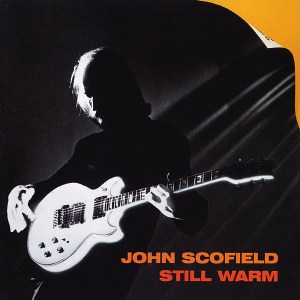

 It was one of the many issues that probably had managers and marketing people tearing their hair out during the 1980s.

 It’s a question that has been obsessing your correspondent over the last few days – which music epitomises the 1980s?
  Here they come, these days about as welcome as turds in a jacuzzi, a collection of white, male, middle-aged ‘rockers’.
 We’ve briefly looked at crap cover versions
 movingtheriver.com