
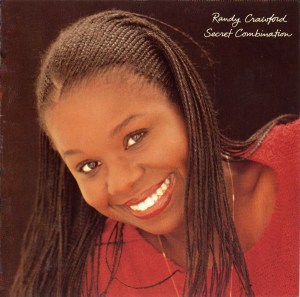
 In 1981, when jazz, pop and R’n’B were fusing to create a very agreeable kind of high-gloss yacht rock, us Brits went for the WEA gang (David Sanborn, Patrice Rushen, Manhattan Transfer, George Benson, Al Jarreau et al) in a big way.
But Georgia-born Randy Crawford probably sold the most records. In her own modest way, she was one of the great stars of 1980s soul, and her beautiful, flawless voice and joyful presence added a lot to the decade.
‘Street Life’, her collaboration with The Crusaders, went top 5 in autumn 1979, and movingtheriver will never forget first hearing her version of ‘Imagine’ on the radio a few years later.
But Secret Combination, released 45 years ago this month and produced by Tommy LiPuma, was Crawford’s biggest album success here, hitting #2 (though weirdly it didn’t cross over in the US, only making #12 on the Billboard R’n’B chart).
This writer’s dad didn’t buy much 1980s soul but Secret Combination was around all the time early in the decade. It seemed so lush and exotic, sheer luxury soul/pop with gorgeous arrangements/electric piano by Leon Pendarvis and the slinky Abe Laboriel/Jeff Porcaro/Dean Parks/Lenny Castro rhythm section.
But listening back today, it does seem overshadowed by three all-time classics (‘You Might Need Somebody’, ‘Rainy Night In Georgia’, ‘Rio De Janeiro Blue’), with too much filler and too many ballads (a clue is the huge amount of credited songwriters).
But even the most humdrum tracks are enlivened by striking bits of arrangement, like the superb strings/flutes and unexpected post-chorus key change on ‘That’s How Heartaches Are Made’ (also listen out for a rare Porcaro flub – wonder why they left it in…).
Crawford was a star of the 1981 Montreux Jazz Festival, documented on the classic Casino Lights live album, and then she toured the UK in early 1982 including a famous televised gig at the Theatre Royal Drury Lane (sadly currently missing from BBC iPlayer).
Her next two albums – Windsong and Nightline – repeated the Secret Combination formula (with similar issues in the songwriting department) and were fairly successful in the UK too, and then she had that freak (self-penned) massive hit ‘Almaz’ in 1986.
 Mel Gaynor spent almost 30 years playing superb drums with Simple Minds in studios, stadiums and sports halls across the globe.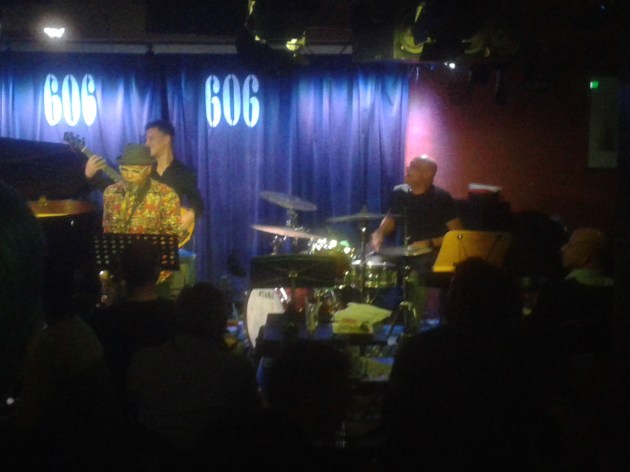
 movingtheriver.com