10 Classic 1980s Singles Featuring Brushes

Some brushes, yesterday

When you think of 1980s pop music, which drum sounds come to mind?

They’re probably pretty loud and the infamous gated snare possibly looms large: ‘Let’s Dance’, ‘In The Air Tonight’, ‘Hey Mickey’, ‘Uptown Girl’, ‘A Town Called Malice’, ‘Born In The USA’.

But there’s a whole alternative world of 1980s hits where the drummer played very quietly, with brushes rather than sticks. Stuff like Buddy Holly’s ‘Raining In My Heart’, The Beatles’ ‘When I’m 64’ and Lou Reed’s ‘Walk On The Wild Side’ probably laid down the gauntlet, but you can’t imagine any producers or focus groups demanding that the drummer play brushes to create a hit (and when was the last hit that featured brushes?).

Here are some classic 1980s singles that somehow got away with it (all chart placings from the UK).

10. Echo & the Bunnymen: ‘Killing Moon’
Powered by Pete de Freitas’s subtle and unexpected brushwork, the classic single got all the way to #9 in early 1984.

9. George Michael: ‘Kissing A Fool’
The seventh and final single from Faith, written back in 1984, reached the top 20 and was initially mooted to be the title track of that 1987 album. Session player Ian Thomas, soon to play with everyone from Robbie Williams to Scott Walker, overdubbed some brushes on the snare after first recording a pass with sticks.

8. The Cure: ‘The Lovecats’
This stand-alone single was also the band’s first top ten hit, peaking at #7 in October 1983. Drummer Andy Anderson began his career with Hawkwind’s Nik Turner and Steve Hillage, then ended up on Robert Smith and Steve Severin’s The Glove side project. He found himself recording this song in Paris then joined the band for a year, playing on 1984 album The Top and playing brushes on another B-side, ‘Speak My Language’. He then toured with Iggy Pop throughout 1987. Anderson died in 2019.

7. Alison Moyet: ‘That Ole Devil Called Love’
This stand-alone single reached a heady #2 during March 1985, produced by ’18 With A Bullet’ singer Pete Wingfield. But who’s the drummer? Answers on a postcard please.

6. Robert Wyatt: ‘Shipbuilding’
Not much is known about drummer Martin Hughes, but he did a nice job on this classic single which reached #35 in April 1983.

5. Chris Rea: ‘Driving Home For Christmas’
Written in 1978, it was originally intended for Van Morrison. Rea first recorded it as a B-side to the 1986 single ‘Hello Friend’, with drummer Dave Mattacks playing almost with a country feel. But the most famous version features on Rea’s 1988 New Light Through Old Windows compilation album with drums by Martin Ditcham, best known for his percussion work.

4. Chris Isaak: ‘Wicked Game’
Kenney Dale Johnson played some very subtle drums on this classic single released in July 1989, going on to become a huge sleeper hit in the US and UK.

3. Elton John: ‘Blue Eyes’
Recorded at AIR Studios in Montserrat, this touching ballad was the lead-off single from John’s Jump Up! album, reaching the top ten in 1982. The very slow 6/8 groove was beautifully marshalled by Jeff Porcaro. See also Toto’s ‘Don’t Stop Me Now’ and Ray Charles’ ‘Still Crazy After All These Years’ for some classic Porcaro brushwork.

2. Fairground Attraction: ‘Perfect’
It reached UK #1 in May 1988 – is it the only chart-topper to feature a drummer playing brushes? London jazzer Roy Dodds did the honours on this.

1. Rain Tree Crow: ‘Blackwater’
Cheating a bit here. It wasn’t released until 1991 but was recorded in December 1989 at Chateau Miraval in Southern France. It was the reformed Japan’s only single, reaching #62. In the band biography ‘Cries And Whispers’, drummer Steve Jansen makes the remarkable claim that his whole performance was pieced together using samples. Weird…

Any other 1980s hits that feature brushes? Drop us a line below.
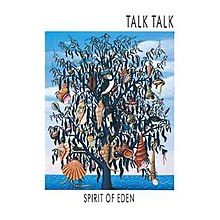
11 May 1987: Talk Talk commence recording Spirit Of Eden

35 years ago today, Mark Hollis (guitar, keyboards, vocals), Tim Friese-Green (keyboards, production), Lee Harris (drums), Paul Webb (bass) and engineer Phill Brown convened at London’s Wessex Studios (don’t look for it – it’s not there any more) to begin work on the Talk Talk album Spirit Of Eden.

During May, June and July 1987, this core unit worked five-day weeks from 11am until midnight, in near darkness apart from an oil projector, a gentle strobe lighting effect and three Anglepoise lamps.

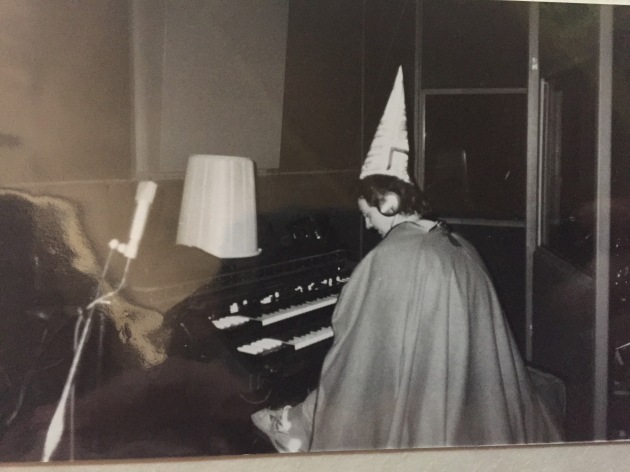
Tim Friese-Green on the Hammond organ, Wessex Studios

Basic tracks laid down, they took a break. On 19 October 1987, work resumed with instrumental overdubs; first woodwinds, then a coterie of world-class musicians including David Rhodes, Bernie Holland and Larry Klein, whose contributions would end up on the cutting-room floor. But those whose performances did make the cut include Nigel Kennedy, Danny Thompson, Robbie McIntosh, Martin Ditcham and Henry Lowther.

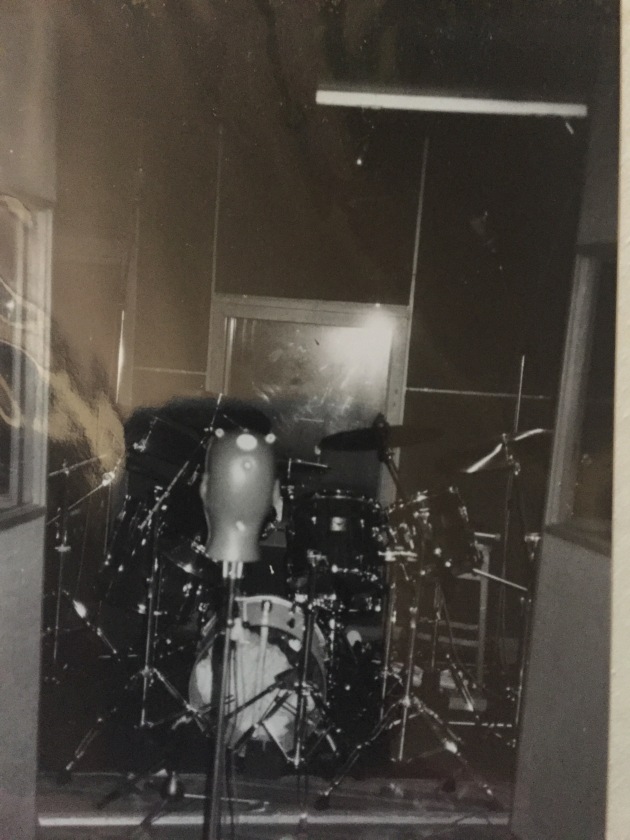
Lee Harris’s drum booth, Wessex Studios

Almost a year in the making, Spirit Of Eden was finally released on 12 September 1988 (after a long delay while EMI panicked – it was actually completed on 11 March 1988) and remains one of the most influential, least-dated ‘rock’ albums of the 1980s.

Thanks to Phill Brown for use of his photos.

‘Mark Hollis: A Perfect Silence’ is published by Ben Wardle.

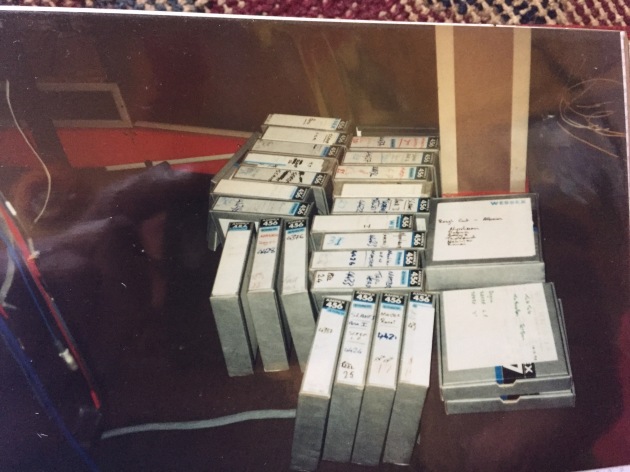
The ‘Spirit Of Eden’ master tapes

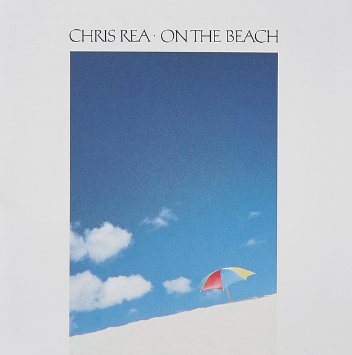
Chris Rea: On The Beach 30 Years Old Today

chris rea

Rea has – a little unfairly – never quite been able to escape a slightly dodgy image here in the UK, but, along with George Michael, he was probably the most popular male British singer/songwriter of the late ’80s and early ’90s.

The breakthrough/breakdown was his 1989 single/album ‘The Road To Hell’, so close to the Dire Straits sound as to be almost parody. I preferred the more laidback, distinctive Rea of the mid-’80s.

He started out pushing the glossy AOR and light, folky pop, enjoying a huge US hit with ‘Fool If You Think It’s Over’ in 1978 (later claiming that early producer Gus Dudgeon had blunted the ‘bluesier’ elements of his sound).

His career seemed to be hitting a cul-de-sac in the early ’80s, but On The Beach was one of the albums that turned things around, the beginning of his commercial era

It taps into the same kind of jazzy, introspective pop/soul sound that the likes of John Martyn, Joni Mitchell and Van Morrison were flirting with in the same period, helped by an excellent band including Fairport Convention/XTC drummer Dave Mattacks, Martin Ditcham on percussion and Max Middleton on keys. Rea also plays an impressive array of instruments himself, including fretless bass and synth.

Listening in one sitting to On The Beach again, the first thing that struck me is its almost relentlessly downbeat vibe. But the opening title track, with its lilting Latin-tinged groove and jazz chords, perfectly introduces the album’s themes of lost innocence and childhood reminiscences.

The moment when Mattacks lays into his fat snare drum for the first time is one of my favourite ’80s drumming moments.

‘Little Blonde Plaits’ is a vehicle for Middleton’s expressive Mini Moog, very redolent of his atmospheric playing on John Martyn’s Glorious Fool. There’s further ethereal jazziness on ‘Just Passing Through’, featuring a really lovely vocal performance and tasty solo guitar from Rea.

‘It’s All Gone’ ups the ante with some subtle Donald Fagen-style synths and excellent lyrics, and the groovy extended outro is close enough for jazz/funk with some empathetic Mattacks drums alongside Middleton’s fine Fender Rhodes solo.

On The Beach was a decent hit in the UK, reaching #11 in the album chart and selling over 300,000 copies. After this, Rea’s music became increasingly rootsy with elements of blues, country and rock’n’roll; he started channelling Dire Straits and ZZ Top rather than John Martyn and consequently enjoyed much more commercial success.

But On The Beach‘s four or five choice tracks are still my favourite Rea moments of the ’80s.