Essential 1980s Jazz/Rock Albums (Part 2)

Continuing our look at some of the finest jazz/rock albums of the 1980s. You can find part 1 here.

Jaco Pastorius: Twins (1982)
A classic double album (an edited version was released as Invitation) recorded live in Japan just after the bass pioneer left Weather Report. Jaco’s brand of fusion took in jazz, Cuban, soul and R’n’B – no guitars here, but brilliant bass playing and powerful solos from Toots Thielemans, Lew Soloff, Jon Faddis and Bob Mintzer.

Frank Gambale: Live! (1989)
The Australian guitarist’s outrageous live debut was recorded at the Baked Potato in LA, and it finally showed just what he’s capable of – electrifying, original solos. His compositions are memorable too and there’s fantastic Latin/fusion drumming from Joey Heredia.

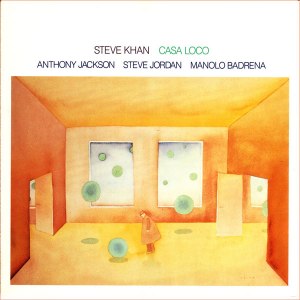
Steve Khan: Casa Loco (1983)
An album which still amazes musicians the world over. Arguably guitarist Khan, bassist Anthony Jackson, drummer Steve Jordan and percussionist Manolo Badrena have never done better work – that’s saying something considering who they’ve all played with.

Bill Bruford’s Earthworks: Dig? (1989)
Both of Bruford’s 1980s Earthworks albums were really good but this gets the nod due to Django Bates being given free reign, contributing superb keyboard solos, a cool reimagining of Petula Clark’s ‘Downtown’ and classic composition ‘Dancing On Frith Street’.

Paquito D’Rivera: Why Not! (1984)
An underrated album from the Cuban alto sax and clarinet star, also featuring Claudio Roditi on trumpet, Michel Camilo on keys and a wonderful performance from drummer Dave Weckl on the opening ‘Gdansk’.

Lyle Mays: Street Dreams (1988)
The Metheny Group keyboard player chucks in everything he knows on this big-budget project – ambient post-jazz, widescreen fuzak, big-band swing and Fagen-style fusion, and it’s all good. Some, like this writer, may also prefer the more red-blooded guitar playing of Bill Frisell to Metheny.

Pat Metheny Group: American Garage (1980)
No one is too sure if this came out in late 1979 or early 1980 but it’s this writer’s favourite Metheny album, though the guitarist himself seems to have almost disowned it. He loosens up and opens himself up to some rock and Steely Dan influences, driven along by Danny Gottlieb’s superb drums.

Level 42: A Physical Presence (1985)
A lot of it’s not strictly ‘fusion’, of course, but any album featuring such brilliant live versions of ‘Mr Pink’, ‘Foundation And Empire’ and ‘88’ has to make this list.

Mark King: Influences (1984)
The Level 42 mainman amazes with his 18-minute fusion classic ‘The Essential’, plus an eerily assured tribute to early Return To Forever called ‘There Is A Dog’. Plus he played almost everything on it.

John Patitucci: On The Corner (1989)
Both of the bassist’s 1980s solo albums were good but this gets the nod courtesy of the sheer variety of grooves from drummers Vinnie Colaiuta, Dave Weckl and Alex Acuna, and the leader’s exciting solos and excellent compositions, all memorable.

John Abercrombie: Getting There (1988)
A rare excursion into jazz/rock for ECM Records, the guitarist’s most dynamic ‘80s album featured Michael Brecker on sax, a hefty ‘rock’ mix courtesy of James Farber and arguably drummer Peter Erskine’s heaviest recorded performance to date.

Joni Mitchell: Wild Things Run Fast (1983)
She littered the album with influences from the Police but the main driver was the brilliant jazz/rock musicianship of bassist Larry Klein, drummers Colaiuta and John Guerin, saxist Wayne Shorter and keys player Russell Ferrante. ‘Moon At The Window’, ‘Be Cool’, ‘Ladies Man’ and ‘You’re So Square’ smuggled fusion into the album charts.

Miles Davis: Star People (1983)
Blues, blazing jazz/rock, chromatic funk and general weirdness combine for arguably Miles’s most exciting album of the decade, featuring all-time great guitar from Mike Stern and John Scofield.

John Martyn: Glorious Fool (1981)
John’s music was now bringing in influences from Weather Report, Latin music and spiritual jazz, and Phil Collins, keyboard player Max Middleton, percussionist Danny Cummings and bassist Alan Thompson made for a fantastic rhythm section.

Bruford: Gradually Going Tornado (1980)
Any album featuring ‘Gothic 17’, ‘Land’s End’, ‘Joe Frazier’ and ‘Palewell Park’ has to be on this list. Epochal work from bassist Jeff Berlin, keys man Dave Stewart and the drummer himself.

Bubbling under:
Power Tools: Strange Meeting (1987)
Stanley Clarke: If This Bass Could Only Talk (1988)
Terri Lyne Carrington: Real Life Story (1989)
Chick Corea Elektric Band: Eye Of The Beholder (1988)
Bill Frisell: Before We Were Born (1989)
Loose Tubes (1984)
Players (Jeff Berlin, Scott Henderson, Steve Smith, T Lavitz) (1986)

(PS. If you like the sound of any of these albums, please consider buying them in physical formats to best support the artists.)

Essential 1980s Jazz/Rock Albums (Part 1)

1980s jazz/rock generally gets the side-eye these days.
But it wasn’t all the Chick Corea Elektric Band prancing around the stage in tracksuits or pitiful WAVE-style smooth jazz.

The 1970s jazz/rock pioneers were mostly going strong and if some were too tempted by synths and drum machines, the best music was made by sticking pretty rigorously to the tried-and-tested real drums/bass/guitar/keys lineup favoured by Miles, Weather Report, Return To Forever et al.

So here’s a selection of 1980s jazz/rock albums that have consistently gripped movingtheriver, most of which he queued up to buy at the HMV or Virgin Megastore, or found in an Our Price bargain bin. (These are not proggy or funky. So no Herbie, Brecker Brothers, David Sanborn or David Torn, but there are elements of R’n’B/Latin/soul/whatever mixed in with the jazz).

Bireli Lagrene: Foreign Affairs (1988)
Just 21 years old when he recorded it with producer Steve Khan, the French guitarist’s second Blue Note album is a cohesive gem and massive improvement on the debut, with terrific contributions from keyboardist Koono and drummer Dennis Chambers.

Ornette Coleman: Virgin Beauty (1988)
One of the most ‘accessible’ albums of the master’s career, with memorable melodies, a brilliantly expressive bassist (Al McDowell) and some decidedly odd guest appearances from Jerry Garcia.

Tribal Tech (Scott Henderson/Gary Willis): Nomad (1988)
Recorded in April 1988 but not released until early 1990, guitarists were rightly wowed by Henderson’s brilliance, a mixture of Michael Brecker, Allan Holdsworth and Stevie Ray Vaughan, while the rhythm section is groovy and propulsive and both Henderson and Willis’s compositions are excellent. And ‘Tunnel Vision’ may feature the perfect guitar solo…

John McLaughlin: Mahavishnu (1984)
OK there are some question marks in the keyboard and sax departments, and a few mediocre tracks, but Billy Cobham has rarely sounded better and John contributes three or four classic compositions and a few brilliant solos to this reunion album of sorts.

Marc Johnson’s Bass Desires: Second Sight (1987)
Wonderful interplay between guitarists John Scofield and Bill Frisell, plus some classic compositions including Scofield’s surf-rock-meets-jazz ‘Twister’, Frisell’s Monk-like ‘1951’ and Johnson’s moving ‘Hymn For Her’.

Larry Carlton: Last Nite (1987)
Guitarists of all stripes were blown away by Carlton’s playing in the 1980s, and here’s the best evidence, captured live at LA’s Baked Potato club with Alex Acuna, Abe Laboriel and JR Robinson.

Human Chain: Cashin’ In (1988)
This Brit jazz/rock classic, released on EG Records, had elements of the Canterbury sound, West Coast cool jazz and 1980s Weather Report, featuring Django Bates’ fantastic keys and French horn and some weirdly impressive guitar and fretless bass from Stuart Hall (who he?).

Hiram Bullock: Give It What U Got (1988)
All the fun of the fair from this gifted but troubled guitarist: raunchy funk/rock, instrumental Steely Dan, Brecker Brothers horns, classic fusion and an Al Jarreau guest appearance on a Sam Cooke tune, but all shot through with jazz chords and Hiram’s lyrical playing.

Ronald Shannon Jackson: Mandance (1982)
Ornette-style harmolodics and Mingus-like ensemble work meet NYC punk-jazz on the drummer’s intriguing and powerful album, recorded live in the studio, featuring future Living Colour axeman Vernon Reid.

Weather Report: Sportin’ Life (1985)
It was a toss-up between this and Night Passage, both classics, but this gets the nod courtesy of the newly-minted rhythm section of Omar Hakim and Victor Bailey, plus a few classic Wayne Shorter tunes including ‘Face On The Barroom Floor’ which reportedly Joni Mitchell was particularly smitten by.

Wayne Shorter: Atlantis (1985)
Wayne again, fronting this fascinating, complex song-cycle featuring Alex Acuna on drums and Joni’s husband Larry Klein on bass. Takes some time to digest, but like a good wine gets better every year.

Allan Holdsworth: Secrets (1989)
A toss-up between this and Metal Fatigue, this gets in because of his delicious guitar tone and the inspired contributions of drummer Vinnie Colaiuta – ‘City Nights’, ‘Spokes’, ‘Peril Premonition’ and ‘Joshua’ are musical landmarks. Fiery, exciting, unmissable.

Steps Ahead: Modern Times (1984)
Messrs Brecker, Erskine, Mainieri, Gomez and Bernhardt were embracing some new technology but they never let it overshadow the mostly excellent compositions with telling solos, particularly from Brecker.

John Scofield: Still Warm (1985)
Take your pick between this, Blue Matter and Loud Jazz, all fantastic pieces of work, but Still Warm gets the nod courtesy of its dynamite rhythm section (Darryl Jones and Omar Hakim) and arguably John’s best writing of the ’80s.

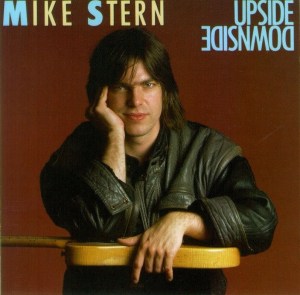
Mike Stern: Upside Downside (1986)
Produced by Hiram Bullock and featuring a crack band including Dave Weckl on drums, it showcases Stern’s finest/fieriest playing on record to date and also one of Jaco Pastorius’s last notable appearances. Still the best Stern solo album and quite extreme in its own way.

(If you’re new to any of these albums and they float your boat, please consider buying physical copies to support the artists.)

In Memoriam: movingtheriver salutes the fallen of 2023

Tony Oxley (drummer for John McLaughlin, Cecil Taylor, Derek Bailey, Gavin Bryars etc.)

William Friedkin

Les McCann

Trugoy the Dove (De La Soul rapper/co-founder)

Kevin ‘Geordie’ Walker (Killing Joke guitarist)

Trevor Francis

John Pilger

Jean Boht

Fred White (drummer with Earth, Wind & Fire)

Dick Fontaine (pioneering documentary director)

Paul Watson (documentary pioneer and director of ‘The Family’, ‘The Fishing Party’, ‘Rain In My Heart’ etc.)

Shane MacGowan

Mark Stewart

Brian Tufano (‘Quadrophenia’/’Blade Runner’/’Shallow Grave’ cinematographer)

Burt Bacharach

Wayne Shorter

Jerry Moss (co-founder of A&M Records)

Alan Rankine

Barrett Strong (co-composer of ‘Money’, ‘I Heard It Through The Grapevine’, ‘Papa Was A Rolling Stone’, ‘Wherever I Lay My Hat That’s My Home’)

Bruce Gowers (video and documentary director)

Carlos Garnett (saxophonist with Miles Davis, Art Blakey etc.)

Jim Gordon (drummer with Steely Dan, Frank Zappa, Derek And The Dominoes etc.)

Sinéad O’Connor

Tom Verlaine

Jeff Beck

Hugh Hudson

Sylvia Syms

Shirley Anne Field

Tony Coe (saxophonist)

Fuzzy Haskins (Parliament/Funkadelic vocalist/drummer)

Ryuichi Sakamoto

Fay Weldon

Ahmad Jamal

Carl Davis

Dickie Davies

Piper Laurie

Barry Humphries

Francis Monkman (keyboardist for Sky/Kate Bush, ‘The Long Good Friday’ soundtrack composer)

Tina Turner

John Giblin

Terry Venables

Pete Brown (poet, musician and lyricist of Cream’s ‘Sunshine Of Your Love’/’I Feel Free’/’White Room’)

John Motson

Astrud Gilberto

Baroness Betty Boothroyd

Benjamin Zephaniah

Ray Shulman (Gentle Giant bassist, producer of The Sundays, Sugarcubes and Ian McCulloch)

Ryan O’Neal

Seymour Stein

Mo Foster (bassist with Jeff Beck, Phil Collins, Ringo, Gerry Rafferty etc.)

Glenda Jackson

Martin Amis

Bishan Singh Bedi (cricketer)

George Winston (Windham Hill pianist)

Robbie Robertson

Michael Lerner

Raquel Welch

Frances Sternhagen

Joseph ‘Amp’ Fiddler (keyboardist with George Clinton, Prince, Seal, Maxwell, Charles & Eddie)

Peter Brötzmann

Richard Roundtree

Richard Davis (jazz bassist)

David McCallum

Sir Michael Gambon

Jamie Reid (punk pioneer and designer of The Sex Pistols’ iconic covers)

John Marshall (drummer for Soft Machine, Nucleus, Eberhard Weber etc.)

Carla Bley

Alan Arkin

Michael Baker (drummer/vocalist for Whitney Houston, Joe Zawinul, Billy Childs)

Wishing all of my readers a healthy 2024, with loads of cash.

Wayne Shorter (1933-2023): Don’t Forget The 1980s

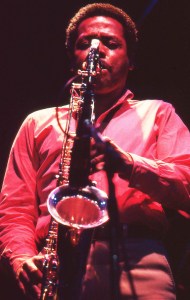
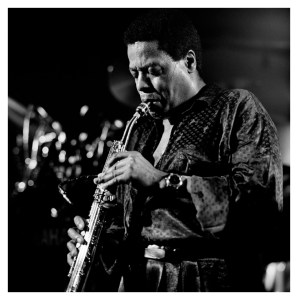
The sad death of soprano/tenor sax titan Wayne Shorter has inspired many column inches but, reading most of the obituaries, you might be forgiven for thinking that he was completely dormant during the 1980s.

Nothing could be further from the truth, even if he took more of a backseat in his ‘day job’ co-leading Weather Report (though still contributed brilliant compositions, of which more later).

Your correspondent has to declare a large interest. Wayne’s music was part of my DNA from early doors, probably courtesy of the memorable tunes ‘Harlequin’ and ‘Palladium’ on WR’s Heavy Weather and beguiling ‘The Elders’ and ‘Pinocchio’ on Mr Gone which my dad played throughout my childhood.

By 1985, I was all-in. Wayne was my E.T. and my Monk, Virgo Rising, delivering nuggets of brilliance straight into my burgeoning musical brain. WR’s Sportin’ Life made a huge impression, featuring his majestic composition ‘Face On The Barroom Floor’.

Then Wayne’s contributions to Joni Mitchell’s music started to register – there were many highlights throughout the 1980s, from ‘Be Cool’ and ‘Love’ on Wild Things Run Fast to ‘A Bird That Whistles’ on Chalk Mark In A Rainstorm.

Then Wayne’s solo album Atlantis hit. Strange to report though, apart from the opening ‘sweetener’ ‘Endangered Species’, I failed to really ‘understand’ this dense, intricately arranged record of acoustic chamber fusion for about 20 years. The penny finally dropped and I’m bloody glad I persevered.

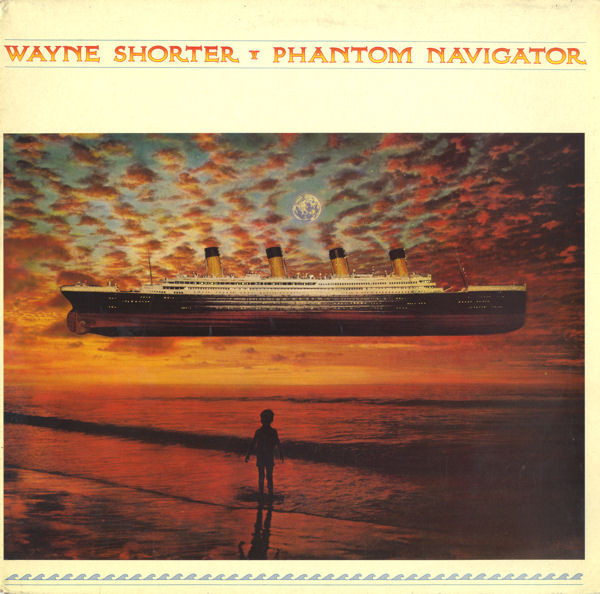
Phantom Navigator came hot on its heels. Like his friends and bandmates Miles and Herbie Hancock (and inspired by his commitment to Human Revolution), Wayne was tired of improvising over ‘jazz’ rhythms and standard songforms, branching out into symphonic/through-composed material utilising synthesizer and sampling technology.

But of course it sounded completely unlike anyone else. ‘Condition Red’ was an immediate brain-blower, and again this most misunderstood/underestimated album has proved a sleeper classic.

Ditto 1988’s Joy Ryder, with the extraordinary ‘Someplace Called Where’ featuring Dianne Reeves, brilliant ‘Over Shadow Hill Way’ and some fantastic Hancock/Geri Allen/Darryl Jones/Nathan East/Terri Lyne Carrington interplay throughout.

The 1980s Columbia albums get fairly short shrift in critical circles these days but Wayne played several compositions from that era – ‘Atlantis’, ‘Over Shadow Hill Way’, ‘Joy Ryder’, ‘Endangered Species’, ‘The Three Marias’ – right through to the 2010s.

Then there were the intriguing 1980s guest spots and side projects: he acted memorably in ‘Round Midnight’ and contributed to gorgeous ‘The Peacocks’ and brilliant ‘Une Noche con Francis’ (duelling with Dexter Gordon) on the Oscar-winning soundtrack album.

There was a moving guest performance on Toninho Horta’s ‘Ballad For Zawinul’ from the guitarist’s Diamond Land album (still not available on streaming platforms at time of writing) and the memorable team-up with pianist Michel Petrucciani and guitarist Jim Hall on Power Of Three.

Wayne also contributed a fine solo to Stanley Clarke’s ‘Goodbye Pork Pie Hat’ and played beautifully throughout Buster Williams’ 1988 album Somethin’ Else. (Chime in below if I have missed any other great Wayne 1980s guest performances.)

Wayne ended a fruitful decade recording The Manhattan Project’s excellent self-titled live Blue Note album at Chelsea Studios, NYC, in December 1989 alongside Clarke, Petrucciani and Lenny White (c’mon Universal, get this on streaming platforms). He plays some marvellous stuff throughout, particularly on Jaco Pastorius’s ‘Dania’, new composition ‘Virgo Rising’ and a reversioned ‘Nefertiti’.

Then there was the live work. Wayne toured the UK regularly between 1985 and 1988. I think I saw him four times during the decade, and each concert was fascinating.

There was a Weather Report gig at the Dominion Theatre in summer 1984, a poorly-attended solo gig at the Logan Hall on 25 October 1985 (‘lack of promotion ’, someone said to my dad) and a really weird all-nighter at the Town & Country Club on 4 April 1987 when Wayne’s sci-fi fusion stopped the jazz dancers in their tracks,

Then there was a gig with Carlos Santana at the Royal Festival Hall on 13 July 1988 of which I can’t remember much apart from a few hippies in the front row loudly saluting every note Carlos played, and Ndugu Chancler’s absurdly-high cymbal setup. (There was also apparently a solo Wayne gig at The Astoria in April 1988 which for some reason I missed.)

I would study him and his sidemen (and, notably, sidewomen: his 1980s bands featured no less than five women, Marilyn Mazur, Geri Allen, Tracy Wormworth, Renee Rosnes and Carrington), fascinated and enthralled by the originality of his music and playing.

Farewell to a master, a talisman, an enlightened being. Nam myoho renge kyo.

Further listening: check out my Wayne playlist which outlines some key tracks of his career.

Book Review: Elegant People (A History of the band Weather Report) by Curt Bianchi

‘The baddest shit on the planet’ – that was Weather Report keyboardist/co-founder/chief composer Joe Zawinul’s assessment of his band’s music.

He wasn’t alone – many credit them as the greatest jazz/rock unit in history, pretty impressive considering they developed out of a ‘scene’ that also included The Mahavishnu Orchestra, Return To Forever and Herbie Hancock’s Head Hunters.

Curt Bianchi has run the acclaimed Weather Report Discography website for many years and now expands his study to create the excellent ‘Elegant People’, an elaborate history of the band which features a myriad of exclusive interviews, photographs and information.

It has Brian Glasser’s effective Zawinul biography ‘In A Silent Way’ in the rear-view mirror but emerges as a very different proposition. Bianchi initially looks in detail at the formative years of Zawinul and co-founder/saxophonist Wayne Shorter, with sobering tales of the young Zawinul’s experiences in wartime Vienna and fascinating insights into Shorter’s extended periods in the bands of Maynard Ferguson, Art Blakey and Miles Davis.

The sections on Weather Report’s formation around 1970 are fascinating. Columbia’s marketing of them as a ‘progressive’ – rather than ‘jazz’ – band led to some interesting dichotomies; Shorter and Zawinul were already established superstars in their field but often had to engage in fairly menial/minor promotional work just to get a foot in the door with rock audiences. We also learn about the other potential band names that hit the cutting-room floor before ‘Weather Report’ appeared.

Bianchi then expertly traces the group from those early days as a kind of ‘chamber’ jazz/rock unit to their status as a ‘power band’ around the arrival of bassist Alphonso Johnson and drummer Chester Thompson in 1975, and the subsequent boost with the recruitment of Jaco Pastorius and Peter Erskine.

Bianchi brings the albums to life with great gusto. There’s a rare photo from the Night Passage sessions at The Complex in Los Angeles, and the last-ever photo of the Jaco/Erskine band taken at the Power Station in NYC, with Jaco almost a ghost at the back of the shot (shades of that famous final Syd Barrett photo with Pink Floyd). Elsewhere there are ticket stubs and even session track sheets.

And fans of Weather Report’s 1980s music can rest assured that Bianchi doesn’t give that era short shrift – there’s almost as much about the last few albums Sportin’ Life and This Is This (and many of Zawinul and Shorter’s post-Weather Report projects) as there is about commercial breakthroughs Black Market and Heavy Weather.

So ‘Elegant People’ is surely the ultimate Weather Report book – it’s an absolute must for fans and those wanting a deeper dive into the band’s music.

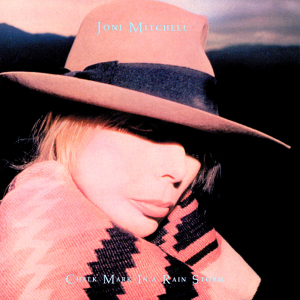
Joni Mitchell: Chalk Mark In A Rainstorm

Intelligent pop was alive and well in summer 1988 with key albums from Prefab Sprout, It Bites, Scritti Politti, Prince, Thomas Dolby…and, would you believe it, Joni.

Chalk Mark In A Rainstorm was a few years in the making after the underperforming (but excellent) Dog Eat Dog, and she was feeling the pressure. ‘I could use a hit’, she confessed to Q magazine in a long interview (they also gave the album a glowing four-star review).

She also granted a long interview to the NME, and was rewarded with her highest charting album (#26) in the UK since Mingus, almost ten years earlier. Stateside, off the back of a stinking, poorly-written Rolling Stone review, it reached a disappointing #45.

Released on 23 March 1988, Chalk Mark is based around a core band of Joni on keys, guitars and vocals, Larry Klein on bass and keys, Mike Landau on guitars and Manu Katche on drums. Larry and Joni co-produce.

There’s a real consistency to the sound, but, with its hermetically sealed nature, it seems almost critic-proof. There’s nothing to compare it too, apart from Joni’s own work.

Reviewers were generally confused by her choice to use the latest synth/sampling technology to illuminate anti-war, anti-advertising, anti-‘toxic crap’ (Joni’s words), pro-Native American songs. Well, that’s what’s known as ‘irony’…

Gorgeous opener and first single ‘My Secret Place’ was mostly recorded at Peter Gabriel’s Ashcombe House studio (he also offered her free studio time to make the demos for the album).

PG guests on vocals (though Joni plays all keyboards, including the memorable piano motif) while Katche delivers a superb, subtly-building performance with hints of Steve Gadd’s famous ’50 Ways To Leave Your Lover’ groove.

As usual, musicians and singers were queuing up to appear on a Joni record. Steve Stevens, Billy idol and Tom Petty combine to memorable effect on ‘Dancin’ Clown’ (apparently one of Bob Dylan’s favourites), while Wendy & Lisa add their gossamer back-ups to sumptuous ‘The Tea Leaf Prophecy (Study War No More)’.

‘The Reoccurring Dream’ is a collage of advertising cliches over richly-chorded Joni vocals. The standout is possibly ‘Beat Of Black Wings’, a furious anti-war song with a stately, orchestral theme in an unusual 6/4 time.

Less effective are the plodding ‘Number One’, ‘Snakes And Ladders’ and ‘Cool Water’, despite some welcome guest vocals by Willie Nelson on the latter. All would probably have been more effective as solo, acoustic songs (she often promoted the album with solo versions of the former).

The album ends with Wayne Shorter’s hearty chuckle after his multi-tracked, soprano sax deluge on ‘A Bird That Whistles’ (apparently Joni’s only instruction to him in the studio was: ‘You’re the bird’!).

Joni was in a group of one in 1988, feeling no particular kinship with the female singer-songwriters making their way towards the end of the decade, the likes of Suzanne Vega, Julia Fordham, Jane Siberry, Mary Margaret O’Hara, Louise Goffin, Toni Childs and Tracy Chapman (the latter beating Joni to a Best Pop Vocal Performance Grammy in 1989).

She was still far ahead of the competition, but also painting herself into a corner. It was the end of an era. The acoustic guitar and ‘folky’ forms would re-emerge in time for the next album Night Ride Home; a logical, commercially-led move, but the end of a fascinating progression of sounds and styles during the ‘80s.

Read a great interview with Joni, Larry Klein, Billy Idol, Tom Petty and Willie Nelson about the making of the album here

Scott Henderson/Tribal Tech: Nomad 30 Years On

Who are the most self-critical instrumentalists? Surely guitarists.

And in this age of social media, fans have never had a better insight into musicians’ views of their own work.

Steve Khan, Francis Dunnery, Andy Partridge and James Grant often take a pretty dim view of their own stuff. Allan Holdsworth was virtually unable to listen to his own guitar playing on record.

But brilliant guitarist Scott Henderson may trump them all. He emerged as a poster boy of jazz/rock guitar in the mid-to-late ’80s, when, along with Holdsworth and Frank Gambale, he would often appear alongside metal players du jour in the pages of Guitar World or Guitar Player.

A remarkably fluid improviser with a ‘rock’ sound but ‘jazz’ attitude, Henderson’s technical ability was always tempered by a strong blues feeling (distinguishing him from Holdsworth and Gambale).

In 1985, he formed Tribal Tech with ex-Wayne Shorter bassist Gary Willis whilst pursuing a sideman career with Jean-Luc Ponty and Chick Corea (and, later, Weather Report’s Joe Zawinul).

I first heard Scott in my late teens when a very shrewd guitar-playing college acquaintance played me his third album Nomad, recorded in 1988 but not released until early 1990.

I was instantly smitten, picking up on the strong ‘Weather Report with guitar’ vibe – mainly due to Willis’s fretless bass – but quickly realising they had their own thing going on.

Also, like Weather Report, Tribal Tech were also fortunate to have not one but two fine composers in their ranks. Willis’s ‘Tunnel Vision’ may be Nomad‘s standout, but Henderson was extremely modest about his superb, much-transcribed solo, telling his website:

The opening eight bars is good because it’s not me – it’s a melody written by Willis. I start playing after the first eight bars and things get considerably worse… We had a good laugh when a critic who reviewed the album commented on how great the beginning of my solo was. Then the tune was put into one of the new Real Books and that eight-bar melody was mis-labelled as my solo. Willis said to me: ‘Wow, I’m really making you look good…’

The excellent opener ‘Renegade’ was another embarrassment for Henderson:

On every Tribal Tech album, there are amazingly bad playing and production flaws, because we thought we were capable of producing the albums ourselves, and we clearly weren’t. We had little to no experience in the studio and were learning as we went. An experienced producer would have made those records much better, but we couldn’t afford one anyway, so they are what they are. The funniest solo is mine on ‘Renegade’ – I didn’t have any vocabulary for that 6/4 feel, so I’m clearly playing lines meant for 4/4 and they don’t fit the groove at all. It’s one of my most embarrassing solos…

Then there’s Henderson’s superb album-closer ‘Rituals’, showingcasing a heavy Wayne Shorter influence:

The last time I listened to the Tribal Tech version, I thought I’d throw up. I played the melody in a horribly stiff way, with the thinnest tone ever, and the arrangement sounds like we’re trying to be Journey – very dated and funny. Then there’s the pan flute synth sound… Holy sh*t, talk about corny. It’s one of my favorites but it didn’t get the production it needed. The drum sound is pathetic and the keyboards aren’t loud and clear enough. Those are some badass voicings and sometimes they’re buried. It’s not a tune I could play trio because there’s too much going on, but I’d like to re-record it and make it sound like it should…

Whatever. Nomad is a great album, with excellent compositions and playing from everyone involved, including drummer Steve Houghton, percussionist Brad Dutz and keyboard player David Goldblatt.

Wayne Shorter: Phantom Navigator 30 Years Old Today

wayne sh

In the late-’80s, Wayne was seemingly about as far away from ‘jazz’ as it’s possible for a jazz legend to get.

His music hadn’t featured any tinging ride cymbals or walking acoustic basses for decades. Even Miles thought Wayne was getting a bit too ‘far-out’ – he reportedly told the saxophonist as much when they met backstage during Miles’s Paris tribute show in July 1991.

Which must have come as quite a shock to Wayne – after all, his ’80s music featured strong, ‘funky’ grooves and attractive, happy melodies. On the face of it, albums like ’87’s Phantom Navigator (apparently inspired by the ‘Other Worlds’ sci-fi comic series he drew in his teenage years) weren’t that different from Miles’s Tutu and Amandla.

But of course they were completely different, and Phantom Navigator is probably the most ‘far-out’ collection of Wayne’s solo career.


Many critics couldn’t see beyond the drum machines, bass vamps and synths, missing the complexity of the arrangements and incredible care and attention that went into making the album, though maybe Wayne was asking for trouble by recruiting legendary NY beat-maker Jimmy Bralower, who had recently featured on Steve Winwood’s ‘Higher Love’ and Nile Rodgers’ B Movie Matinee.

wayne-shorter_in_amsterdam_1980

But these elements were just ‘sweeteners’ – Phantom Navigator was designed to be lived with, devoured in long stretches as one would a classical piece.

There were so many good melodic ideas packed into every tune but it wasn’t an album for short attention spans – not ideal in the MTV-flavoured, thrill-a-minute late-’80s.

‘Condition Red’ fairly bursts out of the speakers, with Wayne’s hair-raising soprano (I’d posit that Phantom Navigator features the best soprano tone of his career), sublime harmonies and witty scat vocals.

Chick Corea’s crystalline piano features strongly on the intricate, beguiling ‘Mahogany Bird’, while ‘Remote Control’ taps into a go-go groove (though Bralower’s snare is way too big – where was Ricky Wellman when Wayne needed him?) underpinning rich, endlessly-flowing soprano harmonies.

Side two’s triptych of ‘Yamanja’ (named for a sea goddess of Brazilian legend), ‘Forbidden – Plan-It!’ and ‘Flagships’ are nothing less than mini concertos for soprano sax, electric bass and synths. All would work fine with a symphony orchestra with their endlessly intertwining lines and countermelodies.

Wayne toured a lot during this period (I think I saw him three times in London between ’85 and ’88) and to a certain extent the music was a hard sell, both for audiences and the musicians. His sci-fi fusion stuck out like a sore thumb during the late-’80s London jazz/rare-groove revival when he was sometimes put on the same bill as people like The James Taylor Quartet and Gilles Peterson! I remember a really weird such gig at the old Town & Country Club in the late ’80s.

It’s the same old story – the problem of marketing music that goes way beyond category. But, in the final analysis, Wayne doesn’t play jazz, rock, go-go, funk or soul on Phantom Navigator – he plays life.

Stanley Clarke: If This Bass Could Only Talk

stanley_clarke-1988-if_this_bass_could_only_talk

This album was a substantial breath of fresh air when it came out in 1988.

I remember walking into Our Price and hearing Wayne Shorter’s majestic soprano sax over some swooning chord changes and thinking: ‘What the hell is this?!’

It was a relief and total surprise when it turned out to be Stanley’s cover of Mingus’s ‘Goodbye Pork Pie Hat’ (and what a brave choice of track to play in the shop…).

It wasn’t just the Baby Boom rockers who struggled a bit during the 1980s. Stanley started the decade very well with Rocks Pebbles & Sand but then there were a few middling collaborations with George Duke and a very patchy run of albums: Let Me Know You, Time Exposure and Hideaway. 1985’s Find Out had some brilliant moments though.

But ITBCOT put Stanley back on the jazz map. Its full-on playing – with admittedly a few late-’80s production values in tow – brought to mind classic ’70s albums Journey To Love and School Days. Drum machines were out: drummers were back in (Ndugu Chancler, John Robinson, Gerry Brown and Stewart Copeland, all of whom play beautifully).

The album also emphasised how much of a singular voice Clarke had now developed on piccolo bass, as distinctive on his instrument as Parker, Miles, Monk or Rollins were on theirs.

‘Working Man’ is an update of ‘Lopsu Lu’ from Stanley’s classic first album and features some ridiculously brilliant soloing leaning very heavily towards John Coltrane’s ‘sheets of sound’ approach.

Gerry Brown stays toe-to-toe with Stanley, providing some spectacularly-unhinged drums, though maybe with a bit too much ’80s ‘gated’ snare for some ears.

My cassette copy of ITBCOT didn’t have any personnel listed on it, so when I first heard ‘Stories To Tell’ I didn’t realise I was getting my first exposure to the extraordinary guitar playing of Allan Holdsworth.

I’m very thankful that Stanley unleashed Holdsworth onto my sensibilities. He delivers some remarkably-fluid playing with a shrill, almost reedy tone. The first and last four bars of his solo are really special. Copeland plays superbly too, with more restraint than usual.

Freddie Hubbard shines on a fine cover of Janet Jackson/Jam and Lewis’s ‘Funny How Time Flies (When You’re Having Fun)’ while Stanley brings the funk with a great take-off of Zapp’s Roger Troutman on ‘I Want To Play For You’.

Elsewhere there are two fun but rather dispensable duets with tapdancer Gregory Hines but they don’t outstay their welcome. Finally, ‘Tradition’ may feature Stanley’s finest recorded playing bar none and highlights a strong John McLaughlin influence (via Coltrane, of course).

In a much-maligned genre of music, ’80s fusion, ITBCOT is a minor classic that deserves critical reappraisal. It also led to a really good period for Stanley – he joined Shorter in Lenny White’s short-lived but intriguing Manhattan Project, and also toured as part of a supergroup with Herbie Hancock, Shorter and Omar Hakim.

Stanley was back, back, back!

13 Great Album Covers Of The 1980s

One of the many positives of the recent vinyl resurgence is the potential for some decent album covers again.

For a while, it seemed as if the art was being lost.

Back in the ’80s, as the cliché goes, you would generally buy an album, stick it on and then peruse the cover at some length while you listened. The best covers seemed to take on a life of their own.

Budgets were healthy, the musicians cared and you could see the time and effort that went into the work. I particularly liked those covers with a ‘psychological’ aspect, some kind of story or scene, an image that maybe enhanced the lyrical themes of the album. 

Here are eleven album covers of the ’80s that still beguile, from the spooky to the decidedly Spielbergian.

13. Donna Summer: She Works Hard For Her Money (1983)

Design: Chris Wharf/Photo by Harry Langdon

12. Scritti Politti: Cupid & Psyche 85 (above)

Design by Keith Breeden/Artwork by Art-O-Matic

11. Pat Metheny/Lyle Mays: As Falls Wichita, So Falls Wichita Falls (1981)

Design by Barbara Wojirsch
Photo by Klaus Frahm

10. Weather Report: Procession (1983)

Artwork by John Lykes

weather report

9. It Bites: The Big Lad In The Windmill (1986)

Cover artwork by David O’Connor

It+Bites+The+Big+Lad+In+The+Windmill+452664

8. Wayne Shorter: Phantom Navigator (1988)

Cover artwork by Jean-Francois Podevin

wayne sh

7. Level 42: Level 42 (1981)

Cover artwork by Joy Barling Loyla

level

6. Japan: Oil On Canvas (1983)

Cover artwork by Frank Auerbach

japan

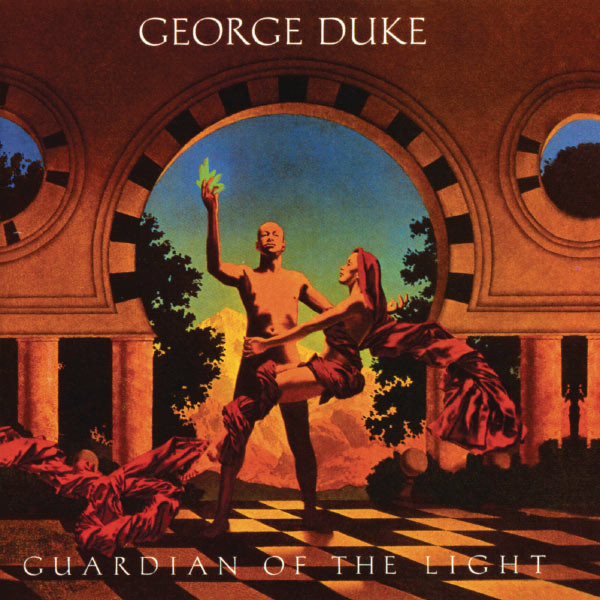
5. George Duke: Guardian Of The Light (1983)

Cover artwork: unidentified (anyone know?)

george

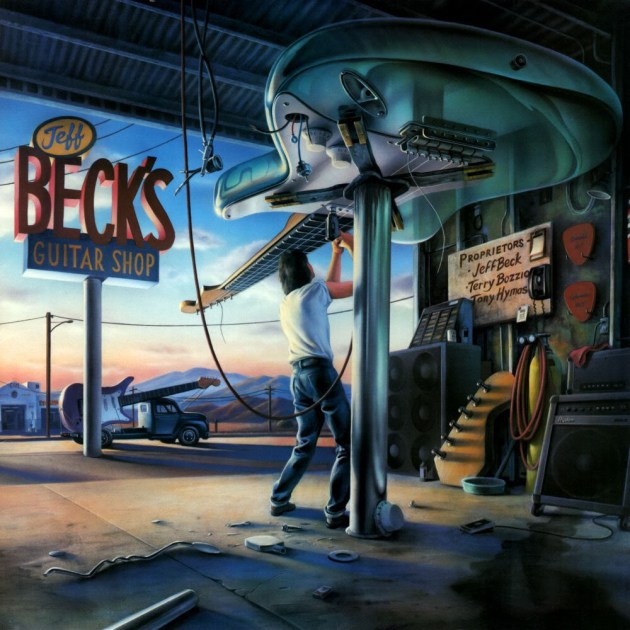
4. Jeff Beck’s Guitar Shop (1989)

Cover artwork by Mark Ryden

jeff-becks-guitar-shop-55b528bc7fc87

3. Peter Gabriel: 3 (1980)

Cover artwork/photography by Hipgnosis (Storm Thorgerson/Audrey Powell)

hs_PG3_UMGI_Vinyl-12_Gatefold_6mmSpine_OUT_RI_AUG10.indd

2. Talk Talk: The Colour Of Spring (1986)

Cover artwork by James Marsh

talk talk

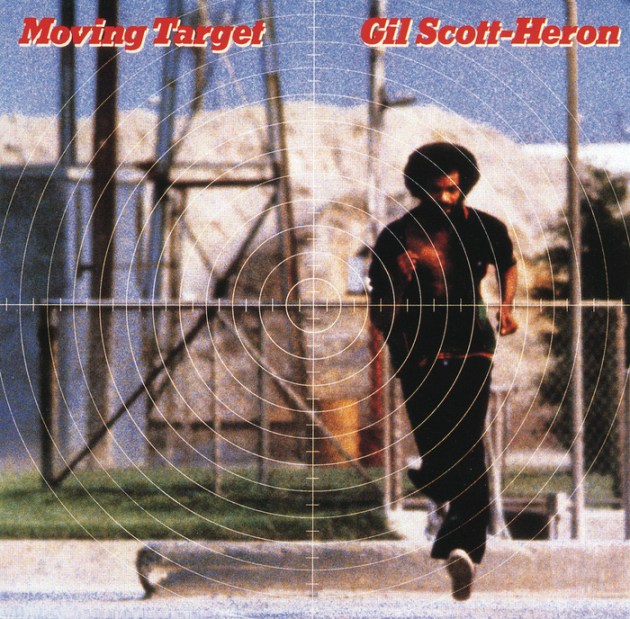
1. Gil Scott-Heron: Moving Target (1982)

Photography by John Ford, artwork by Donn Davenport

gil scott heron