1980s jazz/rock generally gets the side-eye these days.
But it wasn’t all the Chick Corea Elektric Band prancing around the stage in tracksuits or pitiful WAVE-style smooth jazz.
The 1970s jazz/rock pioneers were mostly going strong and if some were too tempted by synths and drum machines, the best music was made by sticking pretty rigorously to the tried-and-tested real drums/bass/guitar/keys lineup favoured by Miles, Weather Report, Return To Forever et al.
So here’s a selection of 1980s jazz/rock albums that have consistently gripped movingtheriver, most of which he queued up to buy at the HMV or Virgin Megastore, or found in an Our Price bargain bin. (These are not proggy or funky. So no Herbie, Brecker Brothers, David Sanborn or David Torn, but there are elements of R’n’B/Latin/soul/whatever mixed in with the jazz).
Bireli Lagrene: Foreign Affairs (1988)
Just 21 years old when he recorded it with producer Steve Khan, the French guitarist’s second Blue Note album is a cohesive gem and massive improvement on the debut, with terrific contributions from keyboardist Koono and drummer Dennis Chambers.
Ornette Coleman: Virgin Beauty (1988)
One of the most ‘accessible’ albums of the master’s career, with memorable melodies, a brilliantly expressive bassist (Al McDowell) and some decidedly odd guest appearances from Jerry Garcia.
Tribal Tech (Scott Henderson/Gary Willis): Nomad(1988)
Recorded in April 1988 but not released until early 1990, guitarists were rightly wowed by Henderson’s brilliance, a mixture of Michael Brecker, Allan Holdsworth and Stevie Ray Vaughan, while the rhythm section is groovy and propulsive and both Henderson and Willis’s compositions are excellent. And ‘Tunnel Vision’ may feature the perfect guitar solo…
John McLaughlin: Mahavishnu (1984)
OK there are some question marks in the keyboard and sax departments, and a few mediocre tracks, but Billy Cobham has rarely sounded better and John contributes three or four classic compositions and a few brilliant solos to this reunion album of sorts.
Marc Johnson’s Bass Desires: Second Sight (1987)
Wonderful interplay between guitarists John Scofield and Bill Frisell, plus some classic compositions including Scofield’s surf-rock-meets-jazz ‘Twister’, Frisell’s Monk-like ‘1951’ and Johnson’s moving ‘Hymn For Her’.
Larry Carlton: Last Nite (1987)
Guitarists of all stripes were blown away by Carlton’s playing in the 1980s, and here’s the best evidence, captured live at LA’s Baked Potato club with Alex Acuna, Abe Laboriel and JR Robinson.
Human Chain: Cashin’ In (1988)
This Brit jazz/rock classic, released on EG Records, had elements of the Canterbury sound, West Coast cool jazz, English folk music and 1980s Weather Report, featuring Django Bates’ fantastic keys and French horn and some weirdly impressive guitar and fretless bass from Stuart Hall (who he?). Also injects a healthy dose of much-needed humour to the ’80s jazz world.
Hiram Bullock: Give It What U Got (1988)
All the fun of the fair from this gifted but troubled guitarist: raunchy funk/rock, instrumental Steely Dan, Brecker Brothers horns, classic fusion and an Al Jarreau guest appearance on a Sam Cooke tune, but all shot through with jazz chords and Hiram’s lyrical playing.
Ronald Shannon Jackson: Mandance (1982)
Ornette-style harmolodics and Mingus-like ensemble work meet NYC punk-jazz on the drummer’s intriguing and powerful album, recorded live in the studio, featuring future Living Colour axeman Vernon Reid.
Weather Report: Sportin’ Life(1985)
It was a toss-up between this and Night Passage, both classics, but this gets the nod courtesy of the newly-minted rhythm section of Omar Hakim and Victor Bailey, plus a few classic Wayne Shorter tunes including ‘Face On The Barroom Floor’ which reportedly Joni Mitchell was particularly smitten by.
Wayne Shorter: Atlantis (1985)
Wayne again, fronting this fascinating, complex song-cycle featuring Alex Acuna on drums and Joni’s husband Larry Klein on bass. Takes some time to digest, but like a good wine gets better every year.
Allan Holdsworth: Secrets(1989)
A toss-up between this and Metal Fatigue, this gets in because of his delicious guitar tone and the inspired contributions of drummer Vinnie Colaiuta – ‘City Nights’, ‘Spokes’, ‘Peril Premonition’ and ‘Joshua’ are musical landmarks. Fiery, exciting, unmissable.
Steps Ahead: Modern Times (1984)
Messrs Brecker, Erskine, Mainieri, Gomez and Bernhardt were embracing some new technology but they never let it overshadow the mostly excellent compositions with telling solos, particularly from Brecker.
John Scofield: Still Warm (1985)
Take your pick between this, Blue Matter and Loud Jazz, all fantastic pieces of work, but Still Warm gets the nod courtesy of its dynamite rhythm section (Darryl Jones and Omar Hakim) and arguably John’s best writing of the ’80s.
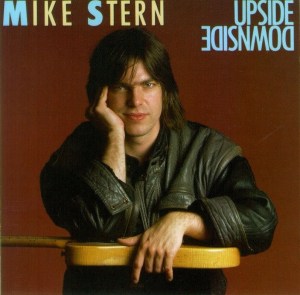
Mike Stern: Upside Downside (1986)
Produced by Hiram Bullock and featuring a crack band including Dave Weckl on drums, it showcases Stern’s finest/fieriest playing on record to date and also one of Jaco Pastorius’s last notable appearances. Still the best Stern solo album and quite extreme in its own way.
(If you’re new to any of these albums and they float your boat, please consider buying physical copies to best support the artists and their families.)
You could put forward a pretty good case that John Scofield was THE guitarist of the 1980s.
Probably best known for his incendiary playing in Miles Davis’s band between 1982 and 1985, he also enjoyed a distinguished solo career.
Whilst focusing on straightahead jazz during the early part of the decade, his stellar ‘fusion’ period between 1984 and 1988 – encompassing classic albums Electric Outlet, Still Warm, Blue Matter, Pick Hits Live and Loud Jazz – featured excellent original compositions and formidable players such as David Sanborn, Don Grolnick, Omar Hakim, Darryl Jones, Dennis Chambers, Hiram Bullock and George Duke.
In the meantime Sco was much in demand as a sideman, playing with everyone from Terri Lyne Carrington to Tommy Smith (this playlist gathers some of his greatest music of the 1980s) whilst also teaming up with fellow guitarist Bill Frisell, drummer Peter Erskine and bassist Marc Johnson in the latter’s Bass Desires project that produced two classic albums on ECM Records: Bass Desires and Second Sight.
Immediately recognisable with his chorus/overdrive sound and molten, legato style – always informed by the blues – Scofield’s solo career has since gone from strength, and we now find him ensconced in a highly productive spell on ECM, his latest album being Uncle John’s Band.
movingtheriver caught up with John to talk about his wonderful 1980s as he prepared for a European tour with keyboardist John Medeski – he’s ever the road warrior and seems full of energy and good humour.
MTR: I’d love to know a little about how/when you signed with Gramavision Records, and did you consider other options for your mid-‘80s solo career such as ECM?
JS: I signed with Gramavision shortly before I recorded Electric Outlet. They were very interested and made us a good deal when no one else had contacted me. After I met (ECM founder/producer) Manfred Eicher at the Bass Desires recording session he expressed interest but I had already signed a multi-record contract with Gramavision. After that I stayed with other New York-based companies (Blue Note and Verve) because I met those people here at home and they were major international labels. I’m quite happy now that I’ve found a home at ECM that is aligned with my current musical direction.
Drummer Steve Jordan plays some wonderful stuff on Electric Outlet – was he overdubbed at the end after you’d tracked everything with a drum machine?
Yes, exactly. I had bought a Roland drum machine and used it to make a four-track demo at home with me playing guitars and bass. I recreated that in the studio and had Steve overdub on all the tunes. He was incredible and nailed them so quickly. We’d played together a bit before – he was on my Who’s Who album in 1978.
I’m fascinated by the work you did with saxophonist George Adams during the 1980s, especially More Sightings (1984) – can you tell me how that came about?
I had played with George in New York on gigs with the Gil Evans Orchestra and then did a tour and album as a guest with the George Adams/Don Pullen band. Then George wanted to do the tour with Hannibal Marvin Peterson. They invited me and we ended up recording a live show in Zürich. I loved George’s playing and we were friendly. I even got him to come in to record with Miles for Columbia in 1983, but it seems that that recording session was lost somehow. I believe it was at The Hit Factory on Broadway. When they were putting together some CBS tapes for reissue, I was told by Michael Cuscuna that they didn’t find anything from that session… That’s all I know. It was Miles‘s band but with George on saxophone. (Adams is understood to have guested with Miles’s band in the studio on 16 June 1983 and also in concert at the Avery Fisher Hall in NYC on 26 June 1983, and was also part of the big band which played with Miles at Montreux in 1991 – Ed.)
Is it true that Kenny Kirkland was supposed to play keyboards on Still Warm but didn’t show at the last minute? And please tell me how the fabulous Omar Hakim came to play on the album.
Yes, Kenny was a friend and I was lucky enough to get to play with him a bunch, but somehow he didn’t show up at rehearsal so I asked Don Grolnick. I think Kenny just had his dates mixed up maybe? I’m not sure. It was a real loss that he died so young. Omar and Darryl Jones were playing with Sting at that time and I knew Omar although I had never played with him but I thought that he and Darryl could really lock it in. They sounded fantastic together.
So was Still Warm recorded just after you left Miles?
I think it was before the last tour. The last stuff I did with Miles was later in the summer in Europe and then Japan.
How much rehearsal time did you get with the bands in general for Still/Blue/Loud? Or did you give the band demos to learn in advance? Because a few of these compositions are treacherous, I’m thinking of stuff like ‘Trim’ and ‘Loud Jazz’ – how did Dennis learn them (he famously doesn’t read music – Ed.)?
For Still Warm, I think we probably had one rehearsal, then one in the studio. I think I made demos of the tunes to give everybody, but I can’t remember. By Blue Matter and Loud Jazzwe were a working band. I had been playing some of the Blue Matter songs with a different keyboardist and drummer along with Gary Grainger. Gary recommended Dennis and I guess he learned the songs at rehearsal. Maybe I made demos… I just remember Dennis trying a go-go beat on ‘Blue Matter’ which I hadn’t tried before. I think I wrote that song just before the session and had never played it live. Then we played a week at Fat Tuesday before going into the studio with Dennis and Mitch Forman. For Loud Jazz, we rehearsed but also played the tunes live on tour before the recording.
Regarding producer Steve Swallow’s role, did he select material? The albums have stood the test of time so well because they’re generally free of 1980s production clichés.
Steve has been a friend and mentor to me since the ‘70s. He was interested in production and multi-track recording and I knew he would be great at it. Although he didn’t select the material, he probably helped me with selecting my own tunes. He was really involved in mixing and had suggestions for the arrangements. Because Gramavision had their own studios, we were allowed to mix for many hours and treated mixing more like we would for a pop record. We were really lucky to have the great engineer Joe Ferla, to whom we deferred for many of the mix ideas. Along with Steve, he was responsible for the sound.
Can you tell me a bit more about the tune ‘Gil B643’ – presumably it’s a tribute to Gil Evans? And was the title at all influenced by the movie ‘THX 1138’?
B643 was Gil‘s apartment number! We lived at the same building in Manhattan.
I’d love to know a bit more about ‘Picks And Pans’ and its 6/8 feel, it strikes me that it’s a very influential tune in ‘fusion’ but was it influenced by Joe Zawinul’s ‘The Juggler’ (from Weather Report’s Heavy Weather)?
I liked Joe’s tune but I don’t think I got the beat especially from that…but there were other examples of that kind of beat. Probably lots of them. Maybe it first came from Afro-Cuban music like Mongo Santamaria’s ‘Afro Blue’. Or you can take a jazz waltz and just put a backbeat in there!
Which is your favourite of the two terrific Bass Desires albums and why?
I can’t say that I really have a favourite, but I just remember the chemistry for the first record was really exciting and it was great when we realized we could play together and that the group had a different sound, largely because of Bill Frisell and his unique approach. Also the sound with the two of our styles working together. That’s not to take anything from Marc and Peter, who really contributed so much and brought in material and if it weren’t for Marc having the idea of putting us all together, it would never have happened. I remember we played some gigs together before we went in the studio as well as rehearsing. I think we played a strange cabaret club in New York City. I can’t remember the name of the place and we probably also played a gig in Boston as well before we went into the studio with Manfred Eicher.
How did Dennis Chambers and Gary Grainger come onboard for the Blue Matter band – did you headhunt them, did they audition, or a bit of both?
I was looking for an electric bass player and my friend, the keyboard player Marc Copland, recommended Gary who he had played with in Washington DC. He said Gary could play anything on electric bass and it turned out he was absolutely correct. I then played with Gary in another configuration and he recommended Dennis. Gary and Dennis grew up together in Baltimore and were old friends. I had heard about Dennis with The P-Funk All Stars and was so surprised to learn that he was looking to play more jazz/fusion. Actually, Darryl Jones had played me a great board tape and said, ‘Isn’t this drummer fantastic?’ But we didn’t know who it was. I found out later that it was Dennis so I was a fan already even though I didn’t know it!
Hiram Bullock is an inspired rhythm-guitar choice on Blue Matter – was he a Steve Swallow recommendation?
No, I knew Hiram was great. I knew him from the New York scene and we were friends. I wanted rhythm guitar on that one track and I thought he would do a better job than I did – I think he did.
Was ‘Blue Matter’ influenced by Miles’s ‘Tutu’ (composed by Marcus Miller)?
I just had a generic triplet-ish backbeat in mind. It had no relation to ‘Tutu’ – not at all. ‘Tutu’ sounds a bit like (Burt Bacharach tune) ‘The Look Of Love’, right?!
How did you achieve the final minute of ‘Time Marches On’ where you solo over that ‘drone’ – was it a slowed down tape loop?
No, we just did it in real time.
I’d love to know your favourite guitarists of the 1980s, any genre…
Mainly I liked the jazz guys Wes Montgomery, Jim Hall, George Benson, Pat Martino. But I always loved the blues guys starting with Hendrix and Clapton back in the ’60s, plus Otis Rush, Albert King and BB King. I always admired my contemporaries Metheny, Stern, Frisell, Abercrombie, Mick Goodrick… I went in the fusion direction because of my experience with Miles. If it wasn’t for him, I probably would’ve been just playing bebop and giving guitar lessons!
The only time I saw the Blue Matter band in London was a really weird but brilliant gig in the East End in summer 1987 I think, maybe it was called the Mile End Theatre? Do you remember that? And in general do you have good memories of touring the UK and Europe?
Was that the Half Moon Theatre? I’ll never forget the gig. The late John Cumming brought us to London and I played many gigs subsequently for him. Maybe it was my first one in London as a leader? Not sure? That band was so strong. We really had some success in UK/Europe in those days.
Did Miles ever give you feedback on your 1980s solo career, or did you ever seek it out?!
I know he liked my tunes because I wrote ‘You’re Under Arrest’ for him and gave him a demo of a bunch of other stuff, some of which ended up on my records. He said he was gonna record everything but then when I quit the band in order to go out on tour with Blue Matter, I didn’t get a chance to do any of that with Miles. He had moved on to Tutu. I remember I played him some of Blue Matter for him once and he was really blown away by Dennis’s playing…
Finally, how do you look back on your 1980s career in general? Was it a great era for guitar-based music?
It was an incredible time. It was great because of getting to play with Miles and all the exposure it got me, and then starting my own career, playing funk/jazz with those guys. I was so influenced by Miles and his direction in the ‘80s. But, for me, Weather Report and Herbie’s Head Hunters were the greatest. I think it was a really good era for guitar when you think of Holdsworth, Stern, Metheny, Robben Ford and so many more. And of course the classic rockers like Clapton and Beck were around. Pop music in general had some pretty hot-shot guitar stuff in there, and funk was really everywhere. Thanks to Sly…
Thanks John and good luck on the European tour…
John Scofield at the Cape Town Jazz Festival, 2003. Photo by William Ellis
They say you should never meet your heroes – if the summer of 1985 is anything to go by, Thomas Dolby probably knows a thing or two about that.
First there was THAT Grammy Awards performance alongside Stevie Wonder and Herbie Hancock.
Then he contributed production, arranging and keyboard work to Joni Mitchell’s underrated Dog Eat Dog, and, of course, there was his appearance at Live Aid as part of David Bowie’s band.
But arguably Dolby’s most intriguing collaboration of summer 1985 was with P-funk pioneer George Clinton, who was onto his third solo album of the decade.
Just after Live Aid, Clinton invited Dolby out to the Bee Gees’ Criteria Studios in Miami to work on two tracks for Some Of My Best Jokes Are Friends.
Clinton was finding much lyrical inspiration in Reagan’s America, and his latest album was firmly focused on the Nuclear Threat. During a hilarious fishing trip with Dolby off Miami (apparently during which Clinton sat in a swivelling captain’s chair, rolled joints and played rough mixes on a boombox), they came up with a character for Dolby – the Space Limousine Driver! Of course…
Clinton then invited Dolby to perform at a James Brown tribute night for the annual Black Urban Music Conference in Washington DC. Apparently his guest spot during ‘Sex Machine’ (described by Dolby as being ‘like Alec Guinness having a seizure’) made Mr Brown laugh and also gave Dolby some cred with the hardcore P-funk crowd (though sadly it doesn’t seem to be on YouTube…).
Clinton was also apparently thrilled with Dolby’s contributions, and asked if there was any way he could return the favour. Dolby quickly cooked up a new song, recruited the Brecker Brothers and Lene Lovich and retained the formidable bass/drums team of Rodney ‘Skeet’ Curtis and Dennis Chambers from ‘Thrashin’.
They christened the new band Dolby’s Cube and recorded a great one-off single at Battery Studios in London. Sadly, despite a cool video, it didn’t chart.
Dolby’s experiences with George loosened him up, and made him reassess a solo career that he felt thus far had been hamstrung by dodgy business practices and too much emphasis on ‘image’.
His effervescent 1988 album Aliens Ate My Buick was more explicitly influenced by Clinton, who also contributed the song ‘Hot Sauce’ (Francois Kevorkian’s superb remix of ‘May The Cube Be With You’ was also included). The summer of ’85 was certainly a memorable one for all concerned.
Further reading: ‘The Speed Of Sound’ by Thomas Dolby
It’s fair to say that many excellent jazz and jazz/rock guitar players emerged during the 1980s.
But arguably none – with the possible exception of Stanley Jordan – made as much of an impact as Bireli Lagrene.
He’s hardly a household name but Bireli recorded a few fine albums for Blue Note Records and toured extensively with Jaco Pastorius just before the bassist’s tragic death.
The French guitarist was seen in many circles as the natural heir to Django Reinhardt at the outset of the ’80s. The teenage prodigy wowed everyone with a few independent releases (initially in a manouche style) and European tours.
The key to his sound seemed to be absolute freedom. Like Jaco and Django, he has no fear. He tries things, always pushing himself. To paraphrase John McLaughlin, he’s swinging before he even starts playing.
Inferno, his debut Blue Note album, featured some excellent, freewheeling electric playing – more Mike Stern and Van Halen than Reinhardt – but the musical settings were a bit stilted and it suffered from too many changes in personnel.
But Bireli found a great foil in producer and fellow guitarist Steve Khan, and their 1988 follow-up Foreign Affairs was a big improvement.
I was mildly obsessed with this album for about a month during spring 1989 – I remember buying it on the same day as seeing ‘Rain Man’ in the cinema, fact fans…
There was far more of a ‘band’ vibe on this sophomore effort, and what a band: monster drummer Dennis Chambers is in Weather Report mode, with Zawinul-style half-time shuffles (‘Josef’) and fast Latin/fusion grooves (‘Senegal’).
And check out his burning solo at the end of the title track. Keyboardist Koono is a huge find and also obviously a big Zawinul fan, and recently departed bassist Jeff Andrews plays as tastily as ever.
Possibly as a result of his sad death in September 1987, Jaco’s influence is all over this album, particularly on the catchy opener ‘Timothee’ which features a mischievous, brilliant fretless bass solo by Bireli in tribute to his friend and mentor.
Elsewhere, Bireli’s sometimes outrageous guitar playing is typified by the screaming octave leap at the end of ‘St Jean’, and he uses a lot more tonal colours than on the debut album.
Tunes wise, Foreign Affairs‘ formula is not really that much different to the classic Blue Note albums of the ’60s – a few originals, a few sideman compositions and a few covers (Herbie Hancock’s ‘Jack Rabbit’ and Ira Gershwin/Vernon Duke’s ‘I Can’t Get Started’).
The latter in particular exemplifies a great production job by Khan, always getting a warm, ambient sound. Foreign Affairs is almost impossible to find on CD or vinyl these days but it’s just been added to streaming platforms, featuring some extra solo acoustic guitar tracks not on the original album. Bireli stayed with Blue Note for a couple more albums in the early ’90s, but they were far more traditional propositions.
If this was John’s final London gig, what a way to go out.
Though the audience’s response was at times reverential and/or strangely undemonstrative, the outpouring of emotion at the conclusion was heartfelt and seemed to come as quite a shock to the performers too.
It’s hard to think of another ‘jazz’ band which has endured for so long with the same personnel as The 4th Dimension. This unit (McLaughlin – guitars, Gary Husband – keyboards/drums, Etienne M’Bappe – bass, Ranjit Barot – drums) has toured the world and elsewhere since 2010, playing a fiery mix of jazz, rock, blues, Indian, old-school R’n’B and industrial.
Tonight was no exception, though there was a much larger dose of spiritual jazz than usual, courtesy of not one but two Pharoah Sanders covers: ‘The Creator Has A Master Plan’ and ‘Light At The Edge Of The World’. You could take or leave the slightly dodgy band singing, but the message of love and understanding was powerful and still relevant.
One can also take or leave John’s guitar tone these days (sometimes one wishes for a far less ‘refined’ sound), but his playing sounded back to its brilliant, fluid, lyrical best tonight, a little like his return to the electric in 1978 after the long acoustic sojourn in Shakti.
And if the mood of the evening’s music was generally uplifting, with new takes on the frenetic modern classic ‘Hijacked’, Mahavishnu favourite ‘Trilogy’ and raunchy ‘Echoes From Then’, ‘Gaza City’ was heartfelt and touching, a lament for a lost place.
Just a few gripes: one occasionally hankered after another soloing foil for John, an L Shankar or Gary Thomas; this music asks a hell of a lot from Husband and Barot. Also, listening to the latter’s ‘hit everything all the time’ ethos (though his konnakol vocal/rhythmic interludes are always fascinating), one realised what a tasteful, selective drummer Dennis Chambers had been during the ’90s organ trio/’Heart Of Things’ era.
John started the evening heralding a slight return not to Great Britain but to ‘Great Brexit’, and ended it with a gentle: ‘You’re all one. Thank you’. A powerful, important concert, especially if we don’t see him on a British stage again.
Could it be that the ’80s spawned more ‘drum-based’ songs than any other music decade?
New recording technology meant that the drums had never been louder and prouder in the mix. Stylistically, influences from ’70s fusion and classic soul/R’n’B were still fresh and relevant.
Hip-hop and go-go brought a funky swing. Metal and punk added a unashamedly aggressive dimension. And let’s not underestimate The Collins Effect: Phil brought a lot of attention to the drums.
Here are 28 notable grooves from the decade. My definition: pieces of music where the drum parts are intrinsic to the architecture of the piece. Eagle-eyed readers will spot lots of shuffles here – fast ones, slow ones, medium ones, half-times. Bernard Purdie and John Bonham’s influences apparently loomed large…
28. Joan Armatrading: ‘The Key’ (1983) Drummer: JERRY MAROTTA
27. Cameo: ‘She’s Strange’ (1984) Drummer: LARRY BLACKMON
26. Japan: ‘Still Life In Mobile Homes’ (1981) Drummer: STEVE JANSEN
25. Lee Ritenour: ‘Road Runner’ (1982) Drummer: HARVEY MASON
How does he find time to fill out the groove with all those 32nd notes on the hi-hats? With such solidity? Only the master knows.
24. Steve Khan: ‘Uncle Roy’ (1983) Drummer: STEVE JORDAN
Apparently Khan’s instruction to Jordan was to play an ‘Elvin Jones type of thing’ on this half-time shuffle. He completely ignored the guitarist and came up with an outrageous groove , turning the snare off, smacking the crash/ride cymbal as if his life depended on it and adding some tasty footwork for good measure.
23. U2: ‘Sunday Bloody Sunday’ (1983) Drummer: LARRY MULLEN JR.
Love or hate the track, it was the beat of choice for air-drumming schoolkids across the land (at least it was at my school). You can even hum it.
22. TONY WILLIAMS: ‘Sister Cheryl’ (1985)
In essence, Tony ‘straightens’ out the jazz swing ride cymbal/hi-hat pattern, adds some snare backbeats and then dials in almost a Latin feel. It’s a revolutionary beat on an album full of them (Foreign Intrigue).
21. Weather Report: ‘Volcano For Hire’ (1982) Drummer: PETER ERSKINE
Maybe Joe Zawinul came up with this pattern, but it’s superbly played and certainly one of the most striking and powerful in WR’s illustrious drumming legacy.
20. INXS: ‘What You Need’ Drummer: JON FARRISS
Fleet-of-foot dancefloor funk/rock smasher from one of the best groove drummers of the ’80s.
19. China Crisis: ‘In Northern Skies’ (1989) Drummer: KEVIN WILKINSON
A different kind of half-time shuffle, with crossed hands, neat ghost notes and a nice tom-tom emphasis on the ‘3’.
18. Prince: ‘Dance On’ (1988) Drummer: SHEILA E
Sheila unleashes her ’70s fusion chops on this curio from Lovesexy. Quite unlike anything else in her or the Purple One’s discography.
17. Joni Mitchell: ‘Be Cool’ (1982) Drummer: JOHN GUERIN
LA session legend Guerin ended his 10-year sideman gig with Joni playing this inspired take on a medium jazz swing. Holding two brushes, one marks out time with triplets and other ‘brushes’ in quintessential jazz style.
16. Level 42: ‘It’s Over’ (1987) Drummer: PHIL GOULD
One of many crafty, original ’80s grooves from the Isle Of Wight sticksman, this one was achieved by playing 16th notes on the hi-hat with both the foot and the hands. On a good system you can really hear the subtleties.
15. Jeff Beck: ‘Space Boogie’ (1980) Drummer: SIMON PHILLIPS
Of course it takes its cue from Billy Cobham’s famous ‘Quadrant 4’ double-bass-plus-ghost-notes shuffle, but Phillips’s beat is in 7/4 and bloody hard to pull off. He maintains the intensity remarkably well and throws in some killer fills.
14. Jeff Beck: ‘Star Cycle’ (1980) Drummer: JAN HAMMER
Another classic from Jeff’s There And Back album, the composer/keyboard player takes the sticks himself for a classic, still-funky, displaced-snare groove. Hammer has always been a superb drummer – check out his First Seven Days album for more evidence.
13. Weather Report: ‘Molasses Run’ (1983) Drummer: OMAR HAKIM
Lots to choose from in Omar’s prestigious ’80s discography but this one sticks out. His beats have a sense of structure befitting a natural songwriter/arranger (which, of course, he is too).
12. Joni Mitchell: ‘My Secret Place’ (1988) Drummer: MANU KATCHE
Kind of a variation on number 8, this cyclical groove almost IS the song.
11. Bennie Wallace: ‘All Night Dance’ (1985) Drummer: BERNARD PURDIE
Another classic from the shuffle master on this track from the saxophonist’s hard-to-find Blue Note album Twilight Time, this managed to incorporate both of Purdie’s trademarks: ghost notes and hi-hat barks.
10. Adam & The Ants: ‘Ant Rap’ (1981) Drummers: CHRIS HUGHES, TERRY LEE MIALL
There are two or three grooves on this and they’re all corkers. The song led to an outbreak of desktop hand-drumming by schoolkids in the early ’80s, driving teachers to distraction.
9. Grace Jones: ‘Warm Leatherette’ (1980) Drummer: SLY DUNBAR
Trust Sly to come up with two such original takes on the shuffle.
8. Paul Simon: ’50 Ways To Leave Your Lover’ (1982) Drummer: STEVE GADD
What a treat to hear and see this classic live version from Central Park, possibly with some tiny deviations from the recorded take. Much imitated, never surpassed. And check out Gadd’s superb extended coda.
7. John Scofield: ‘Blue Matter’ (1986) Drummer: DENNIS CHAMBERS
One of the great beatmakers of the ’80s or any other decade, the Baltimore master busted loose with two classic go-go grooves for the price of one.
6. Van Halen: ‘Hot For Teacher’ (1984) Drummer: ALEX VAN HALEN
Modern Drummer magazine said it best: ‘The song begins with Alex pounding out a fairly complex floor-tom pattern featuring the ever-popular hairta rudiment, played over shuffling double bass drums. Add some tom hits and then a driving ride cymbal, and you’ve got one of the most classic drum tracks of the ’80s—or any decade.’
5. The Police: ‘Murder By Numbers’ (1983) Drummer: STEWART COPELAND
Yet another ingenious variation on the medium jazz swing, Copeland turns 4/4 into 6/8, adds some weird emphases and catches the ear every time.
4. King Crimson: ‘Frame By Frame’ (1981) Drummer: BILL BRUFORD
At Robert Fripp’s prompting, Bruford plays the lion’s share of the beat on one of his Octobans, not the hi-hat. From the classic album Discipline.
3. Chuck Brown & The Soul Searchers: ‘We Need Some Money’ (1985) Drummer: RICKY WELLMAN
The right foot that floored the drumming world.
2. Toto: ‘Rosanna’ (1982) Drummer: JEFF PORCARO
Impossible to leave out this half-time classic. Porcaro fused The Purdie Shuffle with a Bo Diddley beat to create a monster.
1. John Martyn: ‘Pascanel (Get Back Home)’ (1981) Drummer: PHIL COLLINS
Phil came up with numerous cool variations on Harvey Mason’s ‘Chameleon’ beat in the ’80s, but this is my favourite. It’s basically ‘Chameleon’ but with a very groovy triplet figure inserted between the hi-hats and snare. From the classic Glorious Foolalbum.
Mark King of Level 42, Hammersmith Odeon, 13 November 1985
The London live music scene was buoyant in the 1980s.
There was a gig on pretty much every corner. You could see a Goth band, a pub-rock band, a reggae band, a psychobilly band, a soul band – sometimes all on the same bill.
Places like The Rock Garden in Covent Garden, Swan and King’s Head in Fulham, Clarendon in Hammersmith, Red Lion in Brentford, Astoria in Soho and Mean Fiddler in Harlesden are quite understandably still revered by music fans of a certain age.
There were brilliant nightclubs too: The Bat Cave, Dingwalls, Wag, Blitz, Limelight, Marquee. Let’s be thankful that, as we write, a handful of legendary venues from that era survive (The Half Moon in Putney, Ronnie Scott’s, Roundhouse, Scala, Borderline) and long may they last.
Here are a few gigs that still loom large (all in London unless otherwise stated). I hope they spark some memories of your own. Eagle-eyed readers will notice that I pretty much camped out at the Hammersmith Odeon in the late ’80s – well, it was my local, and it seemed like almost everyone came through that brilliant venue…
9. Frank Zappa @ Wembley Arena, 18 April 1988
Yessir, Frank was in town for the first time in four years. I was a new fan and very excited to see him live. His guitar was insanely loud and very trebly. The reggae version of ‘Stairway To Heaven’ was particularly memorable. Lots of onstage banter and political rhetoric. Lots of old-school hippies in the stalls. What a treat.
8. The New York Jazz Explosion (Roy Ayers/Tom Browne/Lonnie Liston Smith/Jean Carn) @ Hammersmith Odeon, 24 February 1985
I’d never heard of any of these guys when my dad offered me a ticket but I’m bloody glad I went. Lonnie started the show with some prime, instrumental, Rhodes-driven jazz/funk, then Roy played some old favourites and quite a lot from his In The Dark album. I don’t remember much about Jean or Tom but Roy blew me away (I’ve seen him at least five times since). The Odeon was packed and a very raucous crowd made a lot of noise in those glorious days when almost every famous US soul star played there. A real eye-opener.
7. David Sylvian @ Hammersmith Odeon, 30 May 1988
It was pretty much the first sight of David since Japan’s split and there was a genuinely exciting atmosphere in the old venue. Lots of screaming girls and a large Goth contingent. An unsmiling, slight and pale Sylvian silenced them by playing keys for the first few ethereal instrumentals (with hindsight, very reminiscent of Bowie’s ‘Stage’ tour a decade earlier). Fantastic band: David Torn, Mark Isham, Steve Jansen, Ian Maidman, Richard Barbieri.
6. Art Blakey @ Ronnie Scott’s, 26 January 1989
Ronnie’s hosted a lot of the bona fide jazz greats in those days. My dad took me to a see a fair few but catching Bu was a revelation. His sheer presence was memorable and his press rolls made the walls of the club shake. The suited-and-booted band, including top-notch Brit pianist Julian Joseph, were excellent too.
5. It Bites @ Brunel University, ? March 1988
My schoolmate Nigel had played me this band’s debut The Big Lad In The Windmill and I was becoming a massive fan when we got a lift out to darkest North-West London just before the release of their second album Once Around The World. They played in the low-ceilinged students union bar (scene also of The Sex Pistols’ final UK gig in December 1977, trivia fans…) and it became one of the most outstanding pop gigs I saw in the ’80s. A terrifyingly tight band – ‘coming at you like a f***in’ juggernaut’ as singer/guitarist Francis Dunnery said recently – with humour and chops. And a cracking version of ‘New York, New York’ in the middle of ‘Once Around The World’ to boot.
4. Level 42 @ Hammersmith Odeon, 13 November 1985
They were finally making the big pop breakthrough with World Machine but still had one foot in their jazz/funk ‘roots’ – this era was an exciting mix of both approaches. These boys were going places but were still quite naughty/rough’n’ready with it. Sadly this was the peak of the original four-piece band, but it was another brilliant, noisy, sweaty night at the Odeon.
3. John Scofield @ Half Moon Theatre, Docklands Festival, Sept 1988?
This took place at a makeshift venue in the back-end of nowhere within Thatcher’s huge Docklands development. It was a long car ride from West London into a strange wasteland. I had wanted to see this band since Blue Matter had come out a year earlier and accordingly watched drummer Dennis Chambers like a hawk throughout. From memory, he in turn eyeballed me throughout. His playing was pretty mindblowing from 10 yards away.
2. Wendy & Lisa @ Town & Country Club, 25 April 1989
It was a hot, sweaty night at the T&C, and the nearest to seeing Prince in such a small venue (which does a great disservice to Wendy and Lisa’s excellent playing and songwriting, but there you go). There was a genuine star quality to the (almost all-female) band and a very cool clientele – everyone was clocking a peak-fame Sinead O’Connor at the bar. The gig delivered the promise of summer and some cracking music too.
1. Animal Logic @ Town & Country Club, 25 May 1989
Back in the late ’80s, you only really gleaned info about musicians from magazines. When Rhythm – the now-defunkt UK monthly – printed that Stewart Copeland and Stanley Clarke were doing a gig in North London, we just had to be there. It was a surprise to say the least. There had literally been no sign of Copeland in the UK since The Police and the crowd seemed to be entirely composed of their fans – a huge roar erupted when Stewart’s kit was rolled onto the stage. Unfortunately the songs weren’t great but the atmosphere was.
Inspiration was easy to come by; the early ‘80s delivered brilliant drum-centric hits like The Jam’s ‘A Town Called Malice’, Bow Wow Wow’s ‘I Want Candy’, Adam and the Ants’ ‘Ant Rap’ and Phil Collins’ ‘In The Air Tonight’. Drums were sounding like DRUMS again – the days of dead-sounding kits seemed (almost) over.
Exciting fusions were everywhere: avant-gardists combined free-funk and free-jazz; art-popsters brought ideas from minimalism, Africa and the Far East; jazz/rock masters of the 1970s moved into production and arrangement; dub and World music thrived.
Post-punks fused rock and reggae; the ‘Young Lions’ embraced and sometimes extended the drum worlds of Art Blakey, Philly Joe Jones and Max Roach; funk and R’n’B got precise and spicy; metal players took double-kick playing to extraordinary extremes. And of course there was also the sudden development of technology: some drummers shrunk from the challenge, others rose to it.
So, to celebrate movingtheriver.com’s third anniversary, here’s a personal selection of the decade’s finest drum performances, in no particular order.
46. Loose Tubes: Loose Tubes (1985) Drummer: Nic France
France marshals this big band through jazz/rock, Latin and African vibes with a sparky, lively studio sound, something like a Brit version of Dave Weckl.
45. Lee Ritenour: Earth Run (1986) Drummer: Carlos Vega
The album may be the beginning of Ritenour’s descent into bona fide smooth jazz but the best tracks feature brilliant playing by the underrated Vega.
44. Prefab Sprout: Protest Songs (1989) Drummer: Neil Conti
Conti’s classy playing provided a subtle, always stylish counterpoint to Paddy McAloon’s pithy, complex songs about poverty, childhood and the social mores of the early ’80s.
43. Robert Plant: Shaken ‘N’ Stirred (1985) Drummer: Richie Hayward
Little Feat were a tough act to follow from a drumming point of view but Hayward settled into the 1980s with this superb performance, showcasing a bright, expressive style on Plant’s quirky, Peter Gabriel-influenced art-rock.
42. Frank Gambale: Live! (1989) Drummer: Joey Heredia
LA-based Heredia combined slinky funk/fusion, Police-style rock/reggae and Latin grooves to spectacular effect on this classic live album. His sparring with a terrifyingly unhinged Gambale on ‘Credit Reference Blues’ and ‘Touch Of Brazil’ is essential listening.
41. Al Jarreau: L Is For Lover (1986) Drummer: Steve Ferrone
The ex-Average White Band ex-pat Brit takes us on a journey through the art of groove on this nearly-forgotten Nile Rodgers-produced minor classic. He gives James Gadson a run for his money with his killer 16th-note hi-hats, crisp snare and nifty footwork.
40. Eddie Gomez: Mezgo (1986) Drummer: Steve Gadd
On this Japan-only album (which is still waiting for a CD release), Gadd was at his most expressive, navigating the bebop flavours of ‘Puccini’s Walk’ and quirky fusion stylings of ‘Me Two’ with great aplomb. And no one else could have played a samba the way Gadd does on ‘Caribbean Morning’.
39. Miles Davis: We Want Miles! (1982) Drummer: Al Foster
In combination with bassist Marcus Miller, the underrated Foster laid down some highly original rhythm section work on Miles’s only live album of the 1980s. Listening to his ‘bouncing ball’ dynamics on ‘Kix’, you’d swear that the very fabric of time was being messed with.
38. Rockin’ Jimmy & The Brothers Of The Night (1982) Drummer: Chuck DeWalt
Here’s one out of left-field from a Tulsa bar band who I first heard yonks ago on Alexis Korner’s fabled early-’80s Radio One blues show. DeWalt had a Ringo-esque knack for coming up with simple but memorable drum parts, with a great feel and nice use of space.
37. Living Colour: Vivid (1988) Drummer: Will Calhoun
Calhoun’s whip-crack snare and natty ride cymbal/hi-hat combinations knocked a lot of drummers’ socks off in 1988. He was just as comfortable with the half-time, Bonhamesque rock of ‘Cult Of Personality’ as he was with the funk and go-go grooves of ‘Funny Vibe’ and ‘Broken Hearts’.
36. INXS: Kick (1987) Drummer: Jon Farriss
If it’s funky pop you’re after, Farriss is your man. His dynamics, ghost notes and weird accents on ‘New Sensation’ and ‘Need You Tonight’ are worth the price of admission, while ‘Never Tear Us Apart’ sounds a bit like Ringo if he had a few more chops.
35. Hiram Bullock: Give It What U Got (1987) Drummer: Charley Drayton
NYC-native Drayton delivered a cutting snare, subtle cymbal work and exciting two-hi-hat grooves on this impeccable slice of late-’80s funk/fusion. No one else – not even his buddy Steve Jordan – could have done a better job.
34. Sting: …Nothing Like The Sun (1987) Drummer: Manu Katche
Overproduced? It’s a moot point when the playing’s as delicious as this. His independence between kick drum and hi-hat on ‘Rock Steady’ is fairly mind-boggling, while no one apart from Copeland and Colaiuta has perfected the high-speed reggae groove with such aplomb.
33. Narada Michael Walden: Divine Emotions (1988)
The ’70s fusion hero turned ’80s producer extraordinaire still had time to deliver this forgotten classic featuring tasty, tight, propulsive grooves and a return to blazing jazz/rock on the hysterical closer ‘We Still Have A Dream’.
32. John Scofield: Electric Outlet (1984) Drummer: Steve Jordan
The NYC tyro had already turned heads with the Blues Brothers and ‘Saturday Night Live’ bands but this album perfectly captured his more expansive side. Two hi-hats, crisp snare, gorgeous K Zildjians and some spry kick drum work, particularly on ‘Pick Hits’, ‘Big Break’ and the title track.
31. Nik Kershaw: The Works (1989) Drummer: Vinnie Colaiuta
We knew that Vinnie could unleash some jaw-dropping chops, but this album perfectly demonstrates his groove side. Check out how he navigates the 6/4 time of ‘Cowboys And Indians’ and hot-wires mid-tempo rocker ‘Wounded Knee’. And then there’s THAT fill in ‘Don’t Ask Me’…
30. Billy Cobham: Powerplay (1986)
An album that finally captured what it’s like to stand a few feet away from the master, featuring a lovely acoustic drum sound, shorn of any studio effects. There was incredible clarity to his playing even if the material wasn’t quite as strong as on the previous year’s album Warning.
29. Japan: Oil On Canvas (1983) Drummer: Steve Jansen
Jansen was always looking at new ways to play a 4/4 beat and came up with five or six classics on this live retrospective. ‘Visions Of China’, ‘Canton’ and ‘Sons Of Pioneers’ still sound like unique drum statements in the history of recorded music.
28. Stanley Clarke: Rocks, Pebbles And Sand (1980) Drummer: Simon Phillips
Beautifully recorded by Dennis Mackay, his drums have never sounded better or bigger. From the driving rock’n’roll of ‘Danger Street’ to highly technical prog-fusion of ‘She Thought I Was Stanley Clarke’, the London maestro delivered a superb performance throughout.
27. Bireli Lagrene: Foreign Affairs (1988) Drummer: Dennis Chambers
Many to choose from in Dennis’s repertoire but I’ve plumped for this hard-to-find fusion classic. With a fatter snare than usual, he anchors the band beautifully on Weather Report-style jams ‘Josef’ and ‘Senegal’ and unleashes a trademark 6/8 groove and killer solo on the title track.
26. Van Halen: 1984 Drummer: Alex Van Halen
If he had only ever recorded the freaky double-bass workout ‘Hot For Teacher’, his place in the drum pantheon would be assured. But this breakthrough album also featured a host of other treats, not least ‘Jump’, plus the most identifiable snare drum in hard rock.
25. John Abercrombie: Getting There (1987) Drummer: Peter Erskine
Difficult to choose one from possibly the jazz drummer of the decade but I’ve gone for this mid-career classic. Erskine busts out his Elvin Jones chops on ‘Furs On Ice’ and rocks hard on the epic title track which almost approaches avant-rock.
24. John Martyn: Glorious Fool (1981) Drummer: Phil Collins
A fascinating companion piece to Phil’s Face Value and Genesis’s Duke during arguably his best period of drumming. He brings out lots of lovely ghost-noted grooves in the Little Feat style, some brutal rock on ‘Amsterdam’ and even spicy fusion on ‘Didn’t Do That’.
23. China Crisis: Diary Of A Hollow Horse (1989) Drummer: Kevin Wilkinson
Wilkinson was (he sadly took his own life in 1999) kind of an English Jeff Porcaro, a tasty groovemeister who always played exactly what was right for the song – with lots of elan. Check out the subtleties of ‘St Saviour’s Square’, ‘In Northern Skies’ and ‘Red Letter Day’.
22. Toto IV (1982) Drummer: Jeff Porcaro
It would almost be sacrilege not to include this. Some of the greatest rock drumming in history, with feel, finesse, style, a rich, full sound and lovely time-feel (though he famously claimed ‘my time sucks’!).
21. Pat Metheny: 80/81 (1981) Drummer: Jack DeJohnette
DeJohnette was always a class act on ECM’s ’80s projects and he sounds sparkling on this double album. But I include it mainly for his performance on ‘Every Day I Thank You’, goosing saxophonist Michael Brecker into one of his finest sax solos on record.
20. Stanley Clarke Band: Find Out! (1985) Drummer: Rayford Griffin
There are definitely shades of Cobham in his exuberant style (and he set himself up left-handed on a right-handed kit like Billy) but also grooves aplenty on this underrated album. His lopsided funk on ‘Born In The USA’ is balanced out by chops-fests ‘Campo Americano’ and ‘My Life’. This guy has technique to burn but also does what’s right for the song.
Occasionally a musician appears out of nowhere, ‘fully-formed’, or at least it can seem that way during one’s formative years.
In my lifetime, there have been a few: Lewis Taylor, Omar Hakim, Trilok Gurtu, and probably a few more. Drummer Dennis Chambers, who plays brilliantly throughout Blue Matter, would definitely be one too.
My muso schoolmate Jem Godfrey had lent me John Scofield’s superb Still Warm album sometime around 1986. Before then, I knew John’s playing mainly from Miles Davis’s Star People, one of my mid-’80s favourites.
So when the Steve Swallow-produced Blue Matter dropped in early ’87, I was primed and ready – and instantly gripped.
The presence of Hiram Bullock’s rhythm guitar on three tracks gives a good indication of Scofield’s approach on this album – it’s R’n’B/funk-based jazz/rock, with great grooves, neat chord changes and no gratuitious displays of instrumental technique for technique’s sake – though Scofield and Chambers were of course quite capable of some serious chops, evident on the killin’ ‘Trim’.
The dynamic title track is clearly influenced by Miles/Marcus Miller’s ‘Tutu’ with its half-time groove, walking synth bass and enigmatic chords, but Chambers’ brilliant contribution (closely monitored by the excellent Gary Grainger on bass) transforms it into something totally new.
In the first minute of the tune, he achieves a novel ‘bouncing ball’ snare drum effect and then unleashes some of the most kick-ass kick-drum playing in music history.
Chambers had already turned some heads playing with George Clinton, but, even if he had never picked up the sticks again after 1987, ‘Blue Matter’ would probably have put him right up in the drum pantheon.
‘Heaven Hill’ – named for Sco’s favourite brand of bourbon – a slow blues with surprising chord changes and tasty gospel-tinged piano playing by Mitch Forman, influenced a whole host of ‘fusion’ guitarist/composers such as Robben Ford, Scott Henderson and Frank Gambale (compare it to Henderson’s ‘Slidin’ Into Charlisa’).
‘Now She’s Blonde’, ‘Time Marches On’, ‘The Nag’ and ‘So You Say’ manage to be both funky and catchy while retaining enough harmonic interest and ‘dirt’ to go way beyond the smooth jazz tag.
The Blue Matter band got quite a live following around this time, with good reason. They were somewhat of an antidote to the Chick Corea Elektric Bands and Al Di Meolas of this world, as musically jaw-dropping as those artists were/are. Scofield himself acknowledged as much during an interview with Howard Mandel in 1988:
‘What I hate about fusion music is the gymnastics. We are often playing to audiences who want to hear fast and loud and I have to watch myself. I’ve never been that good at doing fast stuff. Luckily, it doesn’t come easy to me. Now, Dennis Chambers is a chops phenomenon. On his solos, he destroys the drums. But he also has inbred musicianship, so it’s exciting and not so calculated…’
This was Dolby’s ‘Marmite’ album – the one that really tested his fanbase.
A relocation to the States after marrying soap actress Kathleen Beller (Dolby’s companion on the front cover) led to a new home in the Hollywood Hills (apparently a very large, rather creepy movie-star mansion), the recruitment of a great new band The Lost Toy People via an advert in a local paper and a wholesale embracing of American black music.
In many ways, Aliens is Dolby’s reaction to the work of George Clinton and Prince (of course, he’d collaborated rather spiffingly on the former’s Some Of My Best Jokes Are Friends). But it’s also a rather uptight Brit’s view of American culture complete with tacky local detail: smog alerts, Bel Air bimbos, pink leather upholstery, weird license plates.
A very brave bit of sequencing puts ‘The Key To Her Ferrari’ right at the front of the album.
A fake-jazz/B-Movie swinger with a vaguely ‘50s rock’n’roll feel featuring lots of Zappaesque spoken word stuff from Dolby and some brilliant close-harmony female vocals, it’s all pretty stupid but the band plays fantastically and everyone sounds like they’re having a great time. However, you do wonder how many listeners made it past such an uncompromising track.
The lead-off single ‘Airhead”s delirious mash-up of funk and pop is pretty irresistible.
Mr Clinton contributes the funny and funky ‘Hot Sauce’ which packs in an incredible amount of good stuff into its five minutes including a Spaghetti Western prelude, a reference to Cameo’s ‘Candy’, a touch of salsa and even a killer James Brown-style piano break.
Ditto ‘May The Cube Be With You’, featuring Clinton and Lene Lovich on backing vocals, the Brecker Brothers on horns and a brilliant groove from P-Funk bass/drums team Rodney ‘Skeet’ Curtis and Dennis Chambers.
But, as with most Dolby albums, the treasures are mostly found in the more introspective, less gimmicky moments. ‘My Brain Is Like A Sieve’ easily transcends its title and faux-reggae arrangement to become a superb and quite downbeat pop song in the Prefab style. ‘The Ability To Swing’ is a cracking piece of funk/jazz, with some excellent lyrics, possibly Dolby’s most covered song.
‘Budapest By Blimp’ is very much the centrepiece of Aliens and its stand-out track, an epic ballad harking back to the Flat Earth sound with a great, David Gilmour-esque guitar solo by Larry Treadwell (one of many on the album) and some superb, driving bass from the late Terry Jackson.
The only slight misfire is ‘Pulp Culture’, initially interesting but quickly grating with coarse lyrics and a melody line too similar to Stevie Wonder’s ‘Have A Talk With God’. It’s worth noting, though, that according to Dolby, the entire song (including his vocals) is made up of Fairlight samples.
The album’s very moderate success (#30 in the UK and #70 in the US) was probably not a surprise – it was totally out of sync with anything in British or US pop. Aliens probably rather reflected Dolby’s interest in music video and movie soundtracks (he’d just finished scoring ‘Gothic’ and ‘Howard The Duck’).
I’d put Aliens up there with The Flat Earth as his best album, a perfect companion piece to other classics of summer 1988 such as Prefab’s From Langley Park To Memphis, Scritti Politti’s Provision and Prince’s Lovesexy. It’s strong beer but I love its pungent textures. And let’s not forget Steve Vance and Leslie Burke’s brilliant cover artwork.

 1980s jazz/rock generally gets the side-eye these days.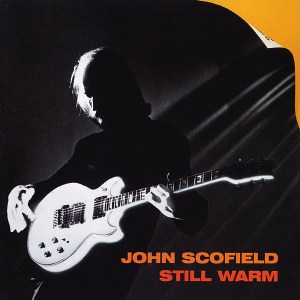

 They say you should never meet your heroes – if the summer of 1985 is anything to go by, Thomas Dolby probably knows a thing or two about that.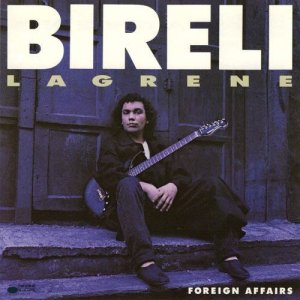

 If this was John’s final London gig, what a way to go out.


 movingtheriver.com