
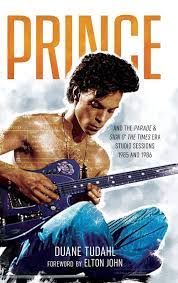
Could Prince have thrived in this current age of the ‘bedroom’ musician?
On the evidence of Duane Tudahl’s superb new book – documenting every single studio session that produced the classic albums Parade and Sign ‘O’ The Times, plus countless others too – the answer would be a resounding ‘no’.
As Tudahl points out in his wonderful follow-up to ‘The Purple Rain Studio Sessions’, Prince’s genius very much depended on a coterie of talented, fiercely committed back-room staff, particularly Susan Rogers, Peggy ‘Mac’ Leonard, Coke Johnson and David Rivkin (brother of Revolution drummer Bobby), not to mention the constantly-on-call band mainstays Eric Leeds, Matt Blistan, Wendy Melvoin and Lisa Coleman, all of whom are interviewed at great length.
But there’s absolutely no doubt who’s the boss and the book doesn’t shy away from uncomfortable truths about Prince’s methods and manners. However, it’s an embarrassment of riches for the fan and valuable historical document, not to mention a great, gossipy read.
We join the book at the beginning of 1985, smack bang in the middle of the Purple Rain tour. We learn how he quickly tired of its routine and looked ever forward, taking particular inspiration from Sheila E and other collaborators, ducking into studios around the country often straight after a gig, usually recording between 2am and 6am (Sheila’s album Romance 1600 was almost exclusively put together in this fashion).
We also learn that there were three huge equipment trucks on the tour – one that contained reels of tape, one with the stage gear and one that contained only Prince’s instruments, so that he could record anywhere, anytime.
Tudahl tells the whole story of the fascinating Los Angeles night of 28 January 1985, when Prince won three awards at the American Music Awards but then failed to repair to A&M Studios for the ‘We Are The World’ session (he offered a guitar solo to Quincy Jones but was turned down!), instead going out to party at Carlos ‘N Charlie’s Mexican restaurant.
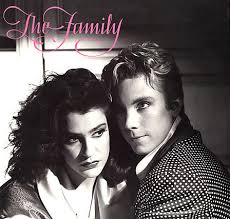
The evening had huge repercussions and began a period of press barracking – he was even lampooned on ‘Saturday Night Live’, with Billy Crystal blacking up and singing ‘I Am The World’. Tudahl has access to a huge number of candid interviewees who provide a kind of making-of guide to other key side projects from the period: St Paul Peterson talks in detail about the recording of The Family and his subsequent fall-out with Prince; Jill Jones describes the painful, hugely drawn-out period working on her underrated 1987 solo record; Eric Leeds describes how the Madhouse albums came about.
Then there are the fascinating details: we learn the full story of how ‘Kiss’ came together, with Prince getting inspiration while playing basketball on the Sunset Sound court; how the expansion of The Revolution in February 1986 was somewhat of a result of Prince’s fascination with ‘twins’, probably inspired by his fiancée Susannah Melvoin’s relationship with her sister Wendy.
We get a real sense of Prince’s incredible progression as a musician, especially through the early days of 1986, and learn all of the relevant details about his collaboration with Miles Davis. We read how the US bombing of Libya on 14 April 1986 affected Prince, inspiring a talk with Jill Jones, the viewing of a film about Nostradamus called ‘The Man Who Saw Tomorrow’ and subsequent removal of some of the more frivolous material on Jill’s album. We also learn how the LA earthquake of 12 July 1986 inspired the classic song ‘The Cross’.
And there are fascinating nuggets about how he saw his own work – he reportedly told Eric Leeds and Susan Rogers on 29 July 1986 that he thought his lyrics to ‘Adonis And Bathsheba’ were possibly his best, though Leeds and Rogers certainly didn’t agree… Both reasoned that Prince protested too much only when he was unsure of himself.
There are also the fascinating machinations of how the Sign ‘O’ The Times album finally came together, after numerous false starts, tracklist changes and the Warner Bros. top brass – led by Lenny Waronker – refusing him a triple album. No detail is spared in the section on the ‘sacking’ of Wendy and Lisa, subsequent hiring of Cat Glover and reformatting of Prince’s live unit.
The period is an absolute whirlwind, and the mind boggles how much all of this studio time cost Prince and Warners. But finally the impression we are left with is that this book gets as close to the ‘real’ Prince as we are ever going to get – it’s not for the faint-hearted fan, but a fascinating, rewarding journey if you can take it.
As someone who regularly worked on a completely one-to-one basis with him, Susan Rogers often had the best seat in the house, and she offers rich insights into his family background and psychology. The section on Prince’s lonely recording session of Christmas Day 1985 will linger long in the memory.
But all of this is only scratching the surface. We haven’t even mentioned the making of ‘Under The Cherry Moon’. It’s another wonderful book and enormous achievement by Tudahl. We await ‘The Lovesexy/Batman Studio Sessions’ with baited breath.
‘Prince And The Parade/Sign ‘O’ The Times Era Studio Sessions’ is published by Rowman & Littlefield.
Author Duane Tudahl discusses the writing of the book in this podcast.

 movingtheriver.com