London-born filmmaker Nicolas Roeg, who has died aged 90, will surely be remembered as one of the all-time greats.
He began his career as either lighting cameraman or director of photography on some key films of the 1960s: ‘The Caretaker’, ‘Doctor Zhivago’, ‘Lawrence Of Arabia’, ‘The Masque Of The Red Death’, ‘Far From The Madding Crowd’, ‘Fahrenheit 451’. He then of course co-directed (alongside Donald Cammell) the astonishing Mick Jagger vehicle ‘Performance’.
Roeg went to to make some of the finest films of the 1970s – ‘Walkabout’, ‘Don’t Look Now’ and ‘The Man Who Fell To Earth’, and began the 1980s staking a claim to being England’s greatest living director.
And that was when his films really came alive for me. Many of the above were shown regularly on terrestrial TV during the decade. Then came a series of always-surprising new works, some of which also transferred quickly onto the small screen.
‘Bad Timing’ (1980) was a brutally candid portrayal of a love affair gone wrong, starring Art Gartfunkel and Theresa Russell in the first of her memorable lead roles for then-husband Roeg (a role that was apparently first intended for Sissy Spacek).
‘Eureka’ (1983) is little seen these days and almost totally forgotten, but it’s unpredictable and brilliant. Gene Hackman heads up a superb cast including Mickey Rourke, Joe Pesci, Russell and Rutger Hauer. ‘Insignificance’ (1985) was a film to match the best of Roeg’s ’70s output, a what-if tale based on Terry Johnson’s play about a meeting between Marilyn Monroe, Joe DiMaggio, Joseph McCarthy and Albert Einstein.
‘Castaway’ (1986), a desert-island survival tale starring Oliver Reed and based on Lucy Irving’s bestselling book, was given a critical mauling but these days still looks like an incredibly vital film. ‘Track 29’ (1987) was, if anything, even stranger, a Dennis Potter-penned story about a demented manchild, with Gary Oldman and Russell the memorable leads.
And Roeg finished off the decade with a fine adaptation of Roald Dahl’s ‘The Witches’ (1990), well worth digging out for the kids this Christmas if you’re after some mildly-menacing, icky fun. Farewell to a bona fide Brit movie hero.
Nicolas Jack Roeg, 15 August 1928 – 23 November 2018
Could it be that the ’80s spawned more ‘drum-based’ songs than any other music decade?
New recording technology meant that the drums had never been louder and prouder in the mix. Stylistically, influences from ’70s fusion and classic soul/R’n’B were still fresh and relevant.
Hip-hop and go-go brought a funky swing. Metal and punk added a unashamedly aggressive dimension. And let’s not underestimate The Collins Effect: Phil brought a lot of attention to the drums.
Here are 28 notable grooves from the decade. My definition: pieces of music where the drum parts are intrinsic to the architecture of the piece. Eagle-eyed readers will spot lots of shuffles here – fast ones, slow ones, medium ones, half-times. Bernard Purdie and John Bonham’s influences apparently loomed large…
28. Joan Armatrading: ‘The Key’ (1983) Drummer: JERRY MAROTTA
27. Cameo: ‘She’s Strange’ (1984) Drummer: LARRY BLACKMON
26. Japan: ‘Still Life In Mobile Homes’ (1981) Drummer: STEVE JANSEN
25. Lee Ritenour: ‘Road Runner’ (1982) Drummer: HARVEY MASON
How does he find time to fill out the groove with all those 32nd notes on the hi-hats? With such solidity? Only the master knows.
24. Steve Khan: ‘Uncle Roy’ (1983) Drummer: STEVE JORDAN
Apparently Khan’s instruction to Jordan was to play an ‘Elvin Jones type of thing’ on this half-time shuffle. He completely ignored the guitarist and came up with an outrageous groove , turning the snare off, smacking the crash/ride cymbal as if his life depended on it and adding some tasty footwork for good measure.
23. U2: ‘Sunday Bloody Sunday’ (1983) Drummer: LARRY MULLEN JR.
Love or hate the track, it was the beat of choice for air-drumming schoolkids across the land (at least it was at my school). You can even hum it.
22. TONY WILLIAMS: ‘Sister Cheryl’ (1985)
In essence, Tony ‘straightens’ out the jazz swing ride cymbal/hi-hat pattern, adds some snare backbeats and then dials in almost a Latin feel. It’s a revolutionary beat on an album full of them (Foreign Intrigue).
21. Weather Report: ‘Volcano For Hire’ (1982) Drummer: PETER ERSKINE
Maybe Joe Zawinul came up with this pattern, but it’s superbly played and certainly one of the most striking and powerful in WR’s illustrious drumming legacy.
20. INXS: ‘What You Need’ Drummer: JON FARRISS
Fleet-of-foot dancefloor funk/rock smasher from one of the best groove drummers of the ’80s.
19. China Crisis: ‘In Northern Skies’ (1989) Drummer: KEVIN WILKINSON
A different kind of half-time shuffle, with crossed hands, neat ghost notes and a nice tom-tom emphasis on the ‘3’.
18. Prince: ‘Dance On’ (1988) Drummer: SHEILA E
Sheila unleashes her ’70s fusion chops on this curio from Lovesexy. Quite unlike anything else in her or the Purple One’s discography.
17. Joni Mitchell: ‘Be Cool’ (1982) Drummer: JOHN GUERIN
LA session legend Guerin ended his 10-year sideman gig with Joni playing this inspired take on a medium jazz swing. Holding two brushes, one marks out time with triplets and other ‘brushes’ in quintessential jazz style.
16. Level 42: ‘It’s Over’ (1987) Drummer: PHIL GOULD
One of many crafty, original ’80s grooves from the Isle Of Wight sticksman, this one was achieved by playing 16th notes on the hi-hat with both the foot and the hands. On a good system you can really hear the subtleties.
15. Jeff Beck: ‘Space Boogie’ (1980) Drummer: SIMON PHILLIPS
Of course it takes its cue from Billy Cobham’s famous ‘Quadrant 4’ double-bass-plus-ghost-notes shuffle, but Phillips’s beat is in 7/4 and bloody hard to pull off. He maintains the intensity remarkably well and throws in some killer fills.
14. Jeff Beck: ‘Star Cycle’ (1980) Drummer: JAN HAMMER
Another classic from Jeff’s There And Back album, the composer/keyboard player takes the sticks himself for a classic, still-funky, displaced-snare groove. Hammer has always been a superb drummer – check out his First Seven Days album for more evidence.
13. Weather Report: ‘Molasses Run’ (1983) Drummer: OMAR HAKIM
Lots to choose from in Omar’s prestigious ’80s discography but this one sticks out. His beats have a sense of structure befitting a natural songwriter/arranger (which, of course, he is too).
12. Joni Mitchell: ‘My Secret Place’ (1988) Drummer: MANU KATCHE
Kind of a variation on number 8, this cyclical groove almost IS the song.
11. Bennie Wallace: ‘All Night Dance’ (1985) Drummer: BERNARD PURDIE
Another classic from the shuffle master on this track from the saxophonist’s hard-to-find Blue Note album Twilight Time, this managed to incorporate both of Purdie’s trademarks: ghost notes and hi-hat barks.
10. Adam & The Ants: ‘Ant Rap’ (1981) Drummers: CHRIS HUGHES, TERRY LEE MIALL
There are two or three grooves on this and they’re all corkers. The song led to an outbreak of desktop hand-drumming by schoolkids in the early ’80s, driving teachers to distraction.
9. Grace Jones: ‘Warm Leatherette’ (1980) Drummer: SLY DUNBAR
Trust Sly to come up with two such original takes on the shuffle.
8. Paul Simon: ’50 Ways To Leave Your Lover’ (1982) Drummer: STEVE GADD
What a treat to hear and see this classic live version from Central Park, possibly with some tiny deviations from the recorded take. Much imitated, never surpassed. And check out Gadd’s superb extended coda.
7. John Scofield: ‘Blue Matter’ (1986) Drummer: DENNIS CHAMBERS
One of the great beatmakers of the ’80s or any other decade, the Baltimore master busted loose with two classic go-go grooves for the price of one.
6. Van Halen: ‘Hot For Teacher’ (1984) Drummer: ALEX VAN HALEN
Modern Drummer magazine said it best: ‘The song begins with Alex pounding out a fairly complex floor-tom pattern featuring the ever-popular hairta rudiment, played over shuffling double bass drums. Add some tom hits and then a driving ride cymbal, and you’ve got one of the most classic drum tracks of the ’80s—or any decade.’
5. The Police: ‘Murder By Numbers’ (1983) Drummer: STEWART COPELAND
Yet another ingenious variation on the medium jazz swing, Copeland turns 4/4 into 6/8, adds some weird emphases and catches the ear every time.
4. King Crimson: ‘Frame By Frame’ (1981) Drummer: BILL BRUFORD
At Robert Fripp’s prompting, Bruford plays the lion’s share of the beat on one of his Octobans, not the hi-hat. From the classic album Discipline.
3. Chuck Brown & The Soul Searchers: ‘We Need Some Money’ (1985) Drummer: RICKY WELLMAN
The right foot that floored the drumming world.
2. Toto: ‘Rosanna’ (1982) Drummer: JEFF PORCARO
Impossible to leave out this half-time classic. Porcaro fused The Purdie Shuffle with a Bo Diddley beat to create a monster.
1. John Martyn: ‘Pascanel (Get Back Home)’ (1981) Drummer: PHIL COLLINS
Phil came up with numerous cool variations on Harvey Mason’s ‘Chameleon’ beat in the ’80s, but this is my favourite. It’s basically ‘Chameleon’ but with a very groovy triplet figure inserted between the hi-hats and snare. From the classic Glorious Foolalbum.
Did any music of lasting worth come out of the early ’80s ‘New Age’ boom?
Mark Isham’s brief but inspired Windham Hill catalogue still cuts the mustard.
The trumpeter/keyboardist/composer’s Vapor Drawings, released 35 years ago this weekend, was a remarkably assured, fully-formed debut album, recorded when he was part of Van Morrison’s band and also enjoying a varied session career.
I distinctly remember hearing a track from it in the mid-1980s on a short-lived ‘new age’ BBC radio show whose name escapes me. And weirdly, Isham mixed the album 100 yards from my childhood home during spring 1983 at John Kongos’s Tapestry Studios.
Synths are Vapor Drawings’ main ingredient but Isham uses them in subtly original ways, using sequencers to build Steve Reich-inspired ‘systems’ or – one of his trademarks – getting them to hang in the air like sky lanterns.
The music defies categorisation, mostly hovering in the hinterland between ambient, minimalism, electronica and jazz (he even throws in a quote from Sonny Rollins’ ‘Oleo’ on ‘Raffles In Rio’).
But there’s always the human element courtesy of his superb trumpet and piano playing. Erik Satie is also an apparent inspiration, and possibly what David Sylvian picked up on when he invited Isham into the studio to record Brilliant Trees later in 1983.
It’s no surprise Isham has become one of the most in-demand soundtrack composers of the last 30 years – ‘On The Threshold Of Liberty’ (named after a Magritte painting), ‘Men Before The Mirror’ and ‘Sympathy And Acknowledgement’ are epic and rousing.
’83 proved to be a bit of an annus mirabilis for Isham, hooking up with Sylvian and also working with Gil Evans at the Montreux Jazz Festival. Vapor Drawings is the first and best of his solo albums. Happy birthday to an unsung classic.
We’ve looked at some of the great bits before, but what about the worst bits of ’80s pop, those moments that have you screaming at the radio?
Those randomly-generated solos, irritating choruses, ill-advised technological experiments or disastrous vocal sojourns?
Sometimes crap bits can ruin a perfectly decent song. But whose fault are they? You can often feel the band ‘spokesperson’ putting his oar in, going against the journeyman producer who probably wanted to get some session players in anyway.
And are there recurring themes? The dodgy sax solo is an ’80s staple. There are definitely repeat offenders (hello Midge). And maybe there are types of music that lend themselves to crap bits too (soft rock, mid-’80s techno-pop).
So roll up, roll up! Join us for the worst bits of 1980s pop…
15. Herb Alpert’s trumpet solo on Janet Jackson’s ‘Someday Is Tonight’
Searching for some Miles-style, brooding sexiness, label boss Herb luxuriates in Jam and Lewis’s delicious soundworld for a few seconds, picks up his trumpet and…
14. The chorus of Level 42’s ‘Running In The Family’
The most anodyne single of their glittering career, not helped by some creepy lyrics and a yukky, somewhat out-of-tune chorus.
13. The sax solo on Aztec Camera’s ‘Somewhere In My Heart’
12. The ‘false ending’ to T’Pau’s ‘China In Your Hand’
11. Lisa Stansfield’s spoken-word intro to ‘All Around The World’
Pass the sick bag. Yes, the song is an unashamed ‘tribute’ to Bazza White’s eroto-soul, but Lisa probably should have parked the sexy-as-a-dentist-chair, American-accented spoken-word opening of this UK number one (she should have done it in her Rochdale accent… – Ed.).
10. The guitar solo on Philip Bailey/Phil Collins’ ‘Easy Lover’
It’s crying out for some widdly Van Halen-inspired techno flash, but unfortunately Daryl Steurmer can only manage a tepid, weirdly unmemorable pass…
9. The sax solo on Spandau Ballet’s ‘True’
A classic ’80s single, almost ruined by Steve Norman’s dire feature. He sounds like a kid who’s just been given an alto sax for Christmas.
8. Steve Hogarth’s piano solo on The The’s ‘Heartland’
Much beloved in some circles but always sounds a bit tentative and formless to these ears.
7. The chorus of Duran Duran’s ‘Wild Boys’
6. The sampled vocal bits in Kylie Minogue’s ‘I Should Be So Lucky’
A horrible song from top to tail, but the keyboard ‘solo’ puts the tin lid on it. See also Rick Astley’s ‘Never Gonna Give You Up’ and Mel & Kim’s ‘Respectable’.
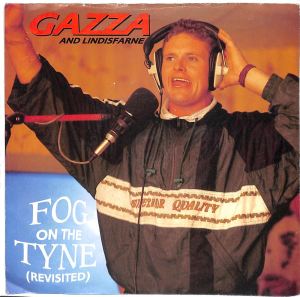
5. Gazza’s rapping on ‘Fog On The Tyne (Revisited)’
4. Billy Joel’s ‘We Didn’t Start The Fire’
Just the whole song. Period.
3. The chorus of Ultravox’s ‘Dancing With Tears In My Eyes’
If you look up ‘bombastic’ in the dictionary, you’ll see a little thumbnail of Midge.
2. The chorus of Midge Ure’s ‘If I Was’
See above.
1. The spoken bits on Michael Jackson’s ‘The Girl Is Mine’
This one divides opinion. Macca and Jacko’s little tete-a-tete has been the cause of much merriment, but it somehow fits the song. Still rubbish though…
There aren’t many titles in the ‘complete studio sessions’ pop library.
Mark Lewisohn and others have done sterling work in this area on the Beatles, and Elvis’s career has been similarly scrutinised.
But the relative lack of material begs the question – do we really want to know everything about our icons’ recording histories?
When it comes to Prince, the answer may be a resounding yes, since his mystique is so bound up with his status as a master multi-instrumentalist, famously with hundreds of unreleased songs in the studio vaults.
So such a book was probably only a matter of time, but fair play to Duane Tudahl for ‘The Purple Rain Studio Sessions’, a mainly fascinating day-to-day diary of Prince’s studio work (at LA’s Sunset Sound and various facilities and warehouses around Minneapolis) when he was recording the songs that made up Purple Rain, Around The World In A Day and key side projects with Sheila E, Jill Jones, Stevie Nicks, The Time and The Family.
The first half of the book is fascinating for three reasons – it outlines the vengeful decline of one band (The Time) and the adrenalized formation of two others (The Revolution and The Family), though you have to be a major fan of the former to enjoy these sections. It also captures Prince at a crucial juncture in his career, when he was going from mid-table journeyman to title contender.
What comes across loud and clear in the second half is the relentless forward motion of Prince’s creative drive – for example, just a week before the start of his Purple Rain tour, he was completing work on both the Around The World In A Day and The Family albums!
We also get a real sense of his famously-short attention span – he curtailed the Purple Rain tour at its absolute peak, bored of the material after only six months.
But the bane of the book is repetition. Too many calendar days are similar – there’s only so much you can say about two weeks of ‘Baby I’m A Star’ overdubs. In Tudahl’s need to flesh out sometimes fairly uneventful studio days, he uses variations on very similar quotes.
But he also gets some great interview material from almost all of the major players, and there are plenty of revelations and interesting theories – he reveals that ‘When Doves Cry’ was written on Tuesday 1st March 1984, two days after Prince lost two Grammy awards to Michael Jackson. Did this double setback prompt some fairly uncharacteristic introspection, spawning his biggest hit?
Prince is also revealed as a major Springsteen fan, bringing the saxophone sound into his music mainly due to Clarence Clemons’ playing with The Boss. Then there’s his little-known charity work, including a touching photo of a gig at a Minneapolis deaf school, and we also get an insight into his fear before the first night of the Purple Rain tour.
There are also interesting comments about Prince’s business deals – Wendy Melvoin: ‘Collaboration with Prince was a reality, but it didn’t pay the bills.’ Her sister Susannah goes as far as to say that Prince would test people’s loyalty by paying terrible money. These are tantalising – if troubling – morsels, never fully explored by Tudahl.
But he gets closer than most to revealing the true Prince, warts and all. Spoiler alert: some of it isn’t pretty. ‘The Purple Rain Studio Sessions’ is a major achievement and a real labour of love. The years of research have certainly paid off.
It’s a vital buy for hardcore Prince fans, but arguably only the second best book on the Minneapolis master – just pipped at the post by Per Nilsen’s ‘Prince: The First Decade’.
‘Prince And The Purple Rain Era Studio Sessions’ by Duane Tudahl is published by Rowman & Littlefield
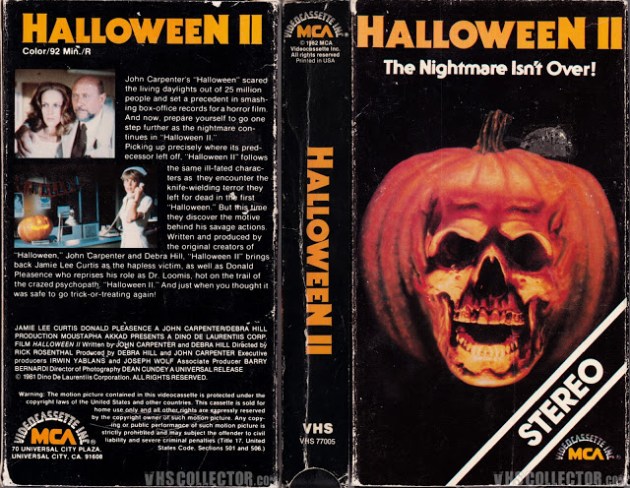
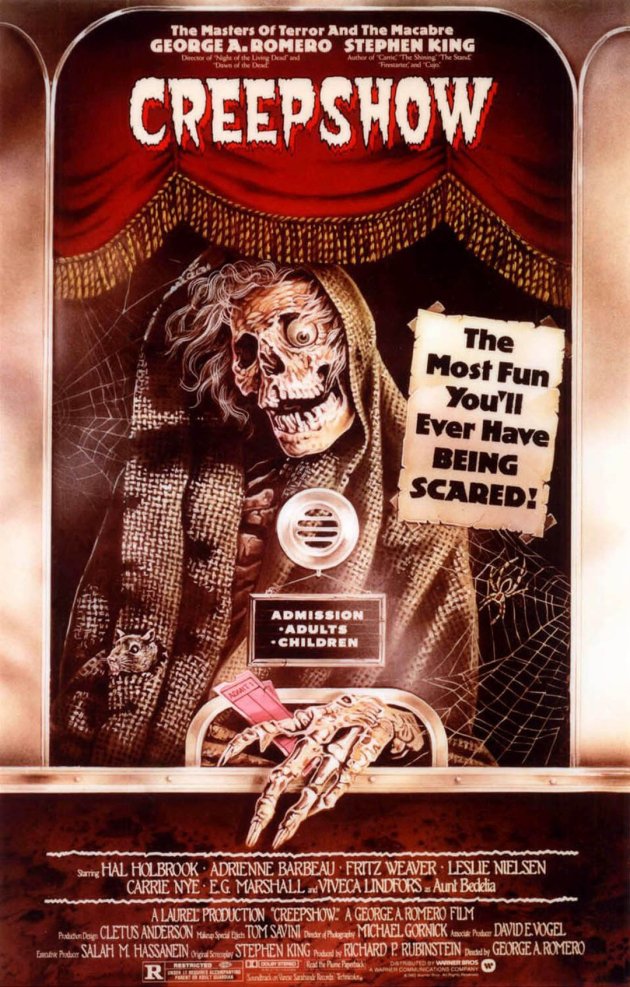
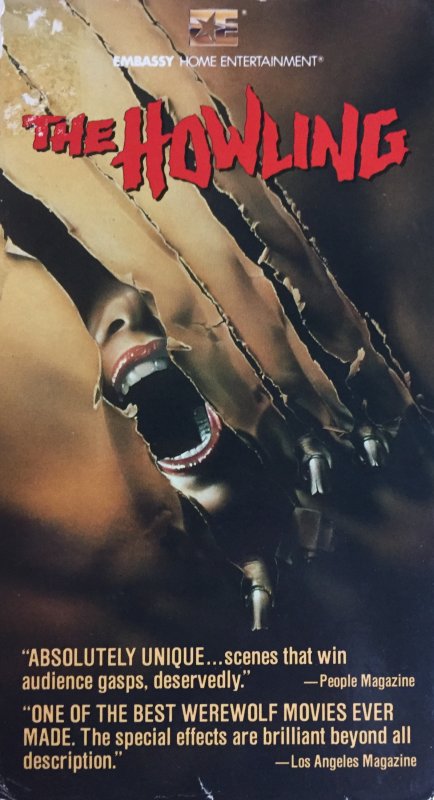
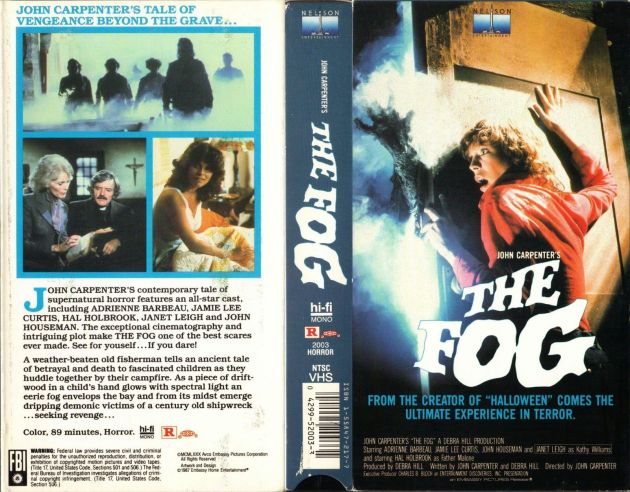
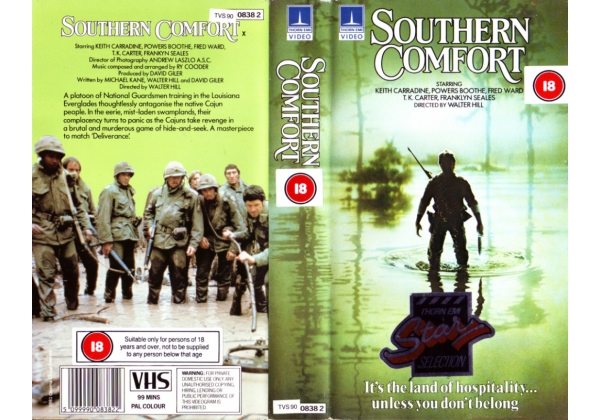
Back in those early days of VHS fever at the beginning of the ’80s, my parents would occasionally invite friends round to watch a scary movie.
I remember tip-toeing out of my bedroom very late at night, creeping along the corridor and trying to snatch a peek at ‘Halloween II’ or ‘Straw Dogs’.
I wasn’t allowed to watch those kind of movies, though later was granted a bit of license with regards to ‘The Fog’, ‘Creepshow’, ‘The Island’ and ‘American Werewolf In London’.
The Video Masheen shop on Sheen Lane was a treasure trove of interesting VHS covers, a weird showroom advertising movies I’d never get to see. What kind of deranged mind could conceive of these images? The mind boggled. Some surely qualify as genuinely surreal pieces of art, though the #MeToo movement would probably put pay to a few more these days.
Here are some VHS covers of the era that stuck in the mind. Straight from the shelf of Video Masheen. Happy Halloween…
Stanley’s music first grabbed me sometime in the mid-’80s.
It was the bassist/composer’s incredible 1974 self-titled album featuring Tony Williams on drums, Jan Hammer on keyboards and Bill Connors on guitar.
Clarke remains a hero – I still greet his new albums with some enthusiasm and his career seems to have enjoyed a new lease of life over the last 10 years or so.
2006’s Toys Of Men was a huge return to form, and releases since then have been prolific if less impressive.
Which brings us to Stanley’s new album, The Message. It continues his tried-and-tested formula: some sh*t-kickin’, symphonic jazz/rock, vocal-based R’n’B, acoustic interludes with a classical bent and brief novelty curios featuring some guest star or other (this time Doug E Fresh on rapping and human beatbox).
On previous classics like School Days and If This Bass Could Only Talk, the formula worked a treat. But this time, besides the typically great playing, there are a few issues – with Stanley’s production, compositions and ‘message’.
The opener ‘And Ya Know We’re Missing You’ is a tribute to all of the following: Al Jarreau, Ndugu Chancler, Tom Petty, Chuck Berry and Larry Coryell. It sounds suspiciously like a demo, complete with distortion and rudimentary ‘slap in E’ groove. Sure, he can pay tribute to whoever he likes in whichever way he deems suitable, but this seems a really uncommitted two minutes of music.
A re-tread of the Return To Forever classic ‘After The Cosmic Rain’ also emphasises the problem with contemporary production. The new one sounds hemmed in, dried out, panicky. Drummer Mike Mitchell must take some of the blame too – he has perfected the lightning-fast single-stroke rolls but they get boring very quickly. It doesn’t help that he tunes his drums to choking point.
There are substantial pieces of music here: the title track, ‘The Rugged Truth’ and ‘The Legend Of The Abbas And The Sacred Talisman’ are great compositions which bear comparison with Stanley classics like ‘Light As A Feather’, ‘Life Is Just A Game’ and ‘Song To John’.
The acoustic-bass take on Bach’s Cello Suite is gorgeous too, but a few other tracks are beyond help – the treacly ‘Lost In A World’ and ‘To Be Alive’ irritate, while only Stanley knows what’s behind ‘Combat Continuum’, a nutty futuristic spoken-word/fusion piece about impending war.
What a shame. It could have been a classic, but The Message has 5/10 written all over it. It’s definitely one for filleting on streaming services though, and I’m sure the music will come alive in concert.
We’ve briefly looked at crap cover versions before (though doubtless there’ll be more to come), but how about good ones from the 1980s?
It was quite easy coming up with a fairly long list. I guess the ultimate test is that at the time most people (including me) didn’t know – or didn’t care – that they were cover versions.
There wasn’t a great deal of looking back in this golden period for pop.
But it did seem as if a lot of ’80s acts had the magic touch, or at least a total lack of fear, making almost everything sound like their own. Punk probably had quite a lot to do with that.
Some of the following choices get in for sheer weirdness but most are genuine artistic achievements. Recurring themes? The Beatles, Motown, Otis Redding. Probably not too much of a surprise there. And 1981 seems a particularly good year for covers.
Anyway, enough of my yakkin’. Let the countdown commence…
33. Bow Wow Wow: ‘I Want Candy’ (1982)
32. David Bowie: ‘Criminal World’ (1983)
31. Ry Cooder: ’13 Question Method’ (1987)
Ry’s brilliant solo take on Chuck Berry from the Get Rhythm album.
30. Propaganda: ‘Sorry For Laughing’ (1985)
The Dusseldorf pop mavericks take on Josef K’s post-punk curio (apparently at Paul Morley’s urging) to produce a sweeping, majestic synth-pop classic.
29. Joan Jett & The Blackhearts: ‘Little Drummer Boy’ (1981)
28. Living Colour: ‘Memories Can’t Wait’ (1988)
27. Sting: ‘Little Wing’ (1987)
26. Randy Crawford/Yellowjackets: ‘Imagine’ (1981)
Who knew this would work? Sensitive and imaginative reading of the Lennon classic, with a classic Robben Ford guitar solo.
25. Lee Ritenour: ‘(You Caught Me) Smilin” (1981)
Gorgeous West-Coast version of Sly Stone’s pop/funk opus. Surely one of the most unlikely covers of the decade, but it works a treat.
24. Luther Vandross: ‘A House Is Not A Home’ (1982)
23. John Martyn: ‘Johnny Too Bad’ (1980)
Originally a reggae track by The Slickers and first released on ‘The Harder They Come’ soundtrack in 1972, Martyn and drummer Phil Collins rearranged it and added some lyrics. It featured on John’s fantastic Grace And Danger album.
22. Soft Cell: ‘Tainted Love’ (1981)
Cracking version of Gloria Jones’ ’60s Northern Soul classic (written by Ed Cobb). A hit all over the world, with pleasingly remedial synth arrangement, instantly recognisable soundworld and classic intro.
21. Grace Jones: ‘Use Me’ (1981)
The Nightclubbing album featured a veritable smorgasbord of good cover versions, but this take on Bill Withers scores particularly highly for originality.
20. The Flying Lizards: ‘Sex Machine’ (1981)
19. The Replacements: ‘Cruela De Vil’ (1988)
From the brilliant Hal Willner-helmed Disney tribute album Stay Awake, you’d have been a brave punter to bet a dime on this one working, but work it does.
18. Quincy Jones: ‘Ai No Corrida’ (1981)
17. Donald Fagen: ‘Ruby Baby’ (1982)
16. Stanley Clarke: ‘Born In The USA’ (1985)
Who knows, maybe this could have provided Stanley with a novelty hit if CBS had been quicker off the mark. He references John Coltrane’s ‘A Love Supreme’ in the intro while Rayford Griffin lays down seismic grooves and a funny old-school rap.
15. The Power Station: ‘Get It On’ (1985)
‘If cocaine was a sound…’, as a YouTube wag described it. This near-hysterical rave-up is mainly the sound of a fun late-night jam (Tony Thompson’s drumming being particularly notable). Also check out guitarist Andy Taylor’s little ode to Talking Heads’ ‘Burning Down The House’ throughout.
14. Deborah And The Puerto Ricans: ‘Respect’ (1981)
A one-off solo single from The Flying Lizards’ singer, this Dennis Bovell-produced curio missed the charts but remains a fascinating post-punk artefact.
13. Roxy Music: ‘In The Midnight Hour’ (1980)
Roxy’s first cover version presumably raised some eyebrows but the lads pull it off with some aplomb, aided by Allan Schwartzberg’s tough NYC drum groove – and the fact that Bryan Ferry can’t resist adding some typical weirdness in the first 20 seconds.
12. Ringo Starr & Herb Alpert: ‘When You Wish Upon A Star’ (1988)
Another once-heard-never-forgotten cracker from the aforementioned Stay Awake collection, the album version is preceded by a very menacing Ken Nordine spoken-word intro.
11. Japan: ‘Ain’t That Peculiar’ (1980)
David Sylvian probably hates this but no matter. It’s hard to think of another band pulling it off. Ominous synthscapes from Richard Barbieri, a nice recorder solo by Mick Karn and brilliant ‘where’s-one?’ beat from Steve Jansen.
10. Everything But The Girl: ‘I Don’t Want To Talk About It’ (1988)
It definitely divides opinion, but certainly fits the ‘sounds like they wrote it’ criterion.
9. Bananarama & Fun Boy Three: ‘Really Saying Something’ (1982)
Penned by Motown songsmiths Norman Whitfield, Micky Stevenson and Edward Holland Jr and first performed by The Velvelettes in 1964, it’s hard not to smile when this comes on the radio. I love the way the ladies pronounce ‘strutting’.
8. David Bowie: ‘Kingdom Come’ (1980)
The Dame’s magnificent take on a little-known track from Tom Verlaine’s 1978 debut album.
7. UB40: ‘Red Red Wine’ (1983)
No apologies for including this Neil Diamond-penned perennial. Great bassline, nice groove, lovely Ali Campbell vocal performance.
6. Phil Collins: ‘Tomorrow Never Knows’ (1981)
Phil closed his Face Value album with this oft-forgotten corker, featuring a classic John Giblin bassline (later cribbed by Pearl Jam for the opening of their ‘Once’) and cool Shankar violin.
5. Robert Palmer: ‘Not A Second Time’ (1980)
Robert adds some New Wave grit to this Lennon-penned rocker, and his singing has rarely been better.
4. Siouxsie And The Banshees: ‘Dear Prudence’ (1983)
3. Joan Jett & The Blackhearts: ‘I Love Rock And Roll’ (1982)
First recorded by The Arrows in 1975, this is simply one of the great singles of the 1980s and a huge hit to boot.
2. Hue & Cry: ‘The Man With The Child In His Eyes’ (1988)
It shouldn’t work but it does, courtesy of singer Pat Kane’s excellent tone and phrasing. His trademark ‘na-na-na-na’s help too. I wonder what Kate thought of it.
1. Blondie: ‘The Tide Is High’ (1980)
Written by reggae legend John Holt and first performed by The Paragons in 1966, this was an inspired – if somewhat cheesy – choice for the band. It’s mainly included here for Debbie Harry’s delightfully off-the-cuff vocal, sounding like her first crack at the song.
It’s difficult to believe but today marks 30 years since the release of FZ’s final ‘rock’ album, Broadway The Hard Way.
After that, there were just a few more official live collections, and then he was gone.
Posthumous Zappa books seem to have mainly focused on his status as a countercultural hero (though Ben Watson’s incisive works deserve a special mention) and the musicians around him.
Even the entertaining 1989 ‘autobiography’ (ghosted by Peter Occhiogrosso) propagated most of the myths and featured only one chapter about music.
Charles Ulrich’s ‘The Big Note’ redresses the balance. This is the book Zappa fans have been waiting for. It’s an alphabetical album guide featuring everything you’ll ever need to know about his songs, musicians and concerts.
The title comes from Zappa’s theory that all of his recorded, live and written work formed a kind of ‘Big Note’, with overlapping themes and recurring motifs.
The book features very little – if any – critical appreciation of this work, just detailed notes on the lyrical and musical references alongside many explanatory quotes from FZ himself.
Ulrich’s approach works a treat. The book functions as both a meticulously-researched reference guide and a ‘gospel according to FZ’. For example, it’s been bugging me for nearly 30 years what the band plays after Frank’s exclamation: ‘…who was strictly from commercial!’ in ‘Nanook Rubs It’ – I found out in an instant.
I was also pleased and amazed to read that ‘Rat Tomago’ from Sheik Yerbouti was nominated for a 1979 Best Rock Instrumental Performance Grammy (but lost out to Wings’ ‘Rockestra Theme’!).
There’ll never be anyone else quite like Zappa. Long overdue, this is the book his music deserves.
‘The Big Note’ by Charles Ulrich is published now by Newstar Books.
It doesn’t happen very often, but occasionally a documentary comes along that makes you question everything, puts a new slant on life and death, the whole shebang.
Or just gives you a damn good scare. Paul Hamann’s ‘Fourteen Days In May’ definitely fits the bill.
Shot over two weeks during the summer of 1987 at the infamous Mississippi State Penitentiary – AKA Parchman Farm – ‘Fourteen Days In May’ follows a young black man Edward Johnson as he prepares for – and, with the help of his lawyer Clive Stafford Smith, tries to evade – the gas chamber.
First shown on the BBC over 30 years ago, it has become a landmark film. Similar areas have recently been explored by Werner Herzog, Louis Theroux and Nick Broomfield, but arguably ‘Fourteen Days In May’ trumps all of them for sheer emotional impact.
It explores the inner workings of a prison geared up for taking human life. Astonishing shots shed light on a kind of modern slavery, with policemen on horseback brandishing shotguns, calling out loud reprimands and instructions to large groups of (almost exclusively) young black detainees as they dig ditches or clear roadside vegetation.
Elsewhere we are witness to the last few minutes of another (white) inmate’s life as he is strapped into the electric chair, though thankfully we don’t see the moment of truth. The gallows humour of both the killers and killed will linger long in the memory.
As ‘Fourteen Days In May’ moves painfully and inexorably on, it becomes increasingly clear that Johnson is innocent. But no-one can do anything about it. Various (black and white) prison officers bravely profess their doubts as to his guilt, while Johnson’s family rally around the quiet, unfailingly polite young man, singing him songs to keep his spirits up.
Hamann breaks the fourth wall to says his goodbyes to Johnson in a memorable scene. But shorn of a voiceover or title cards, ‘Fourteen Days In May’ offers no explicit critique of capital punishment. It doesn’t need to. The facts do that for themselves.
It would seem churlish and pointless not to reveal the ‘ending’ of the film here – Edward Johnson meets his maker. The crushing coda reveals that a young black woman came forward after the execution to verify that she saw him in a pool hall during the time of the alleged crime, but when reporting this to a white police officer soon after was threateningly advised to mind her own business.
What do we take away from ‘Fourteen Days In May’? The only correct response would seem to be rage. And fear. But after that, there’s a helplessness and a slow-burning disgust.
The only slight light at the end of the tunnel is the knowledge that it was in direct response to this documentary that the Lifelines organisation was set up, arranging pen pals for death row prisoners. Stafford Smith has also founded Reprieve.
Is America still like this? The suspicion would have to be that it is.

 London-born filmmaker Nicolas Roeg, who has died aged 90, will surely be remembered as one of the all-time greats.

 We’ve looked at some of the
  There aren’t many titles in the ‘complete studio sessions’ pop library.
  Back in those early days of VHS fever at the beginning of the ’80s, my parents would occasionally invite friends round to watch a scary movie.



 Stanley’s music first grabbed me sometime in the mid-’80s.
  We’ve briefly looked at crap cover versions
 It doesn’t happen very often, but occasionally a documentary comes along that makes you question everything, puts a new slant on life and death, the whole shebang.
