Working Week: Does Jazz Go Into Pop?

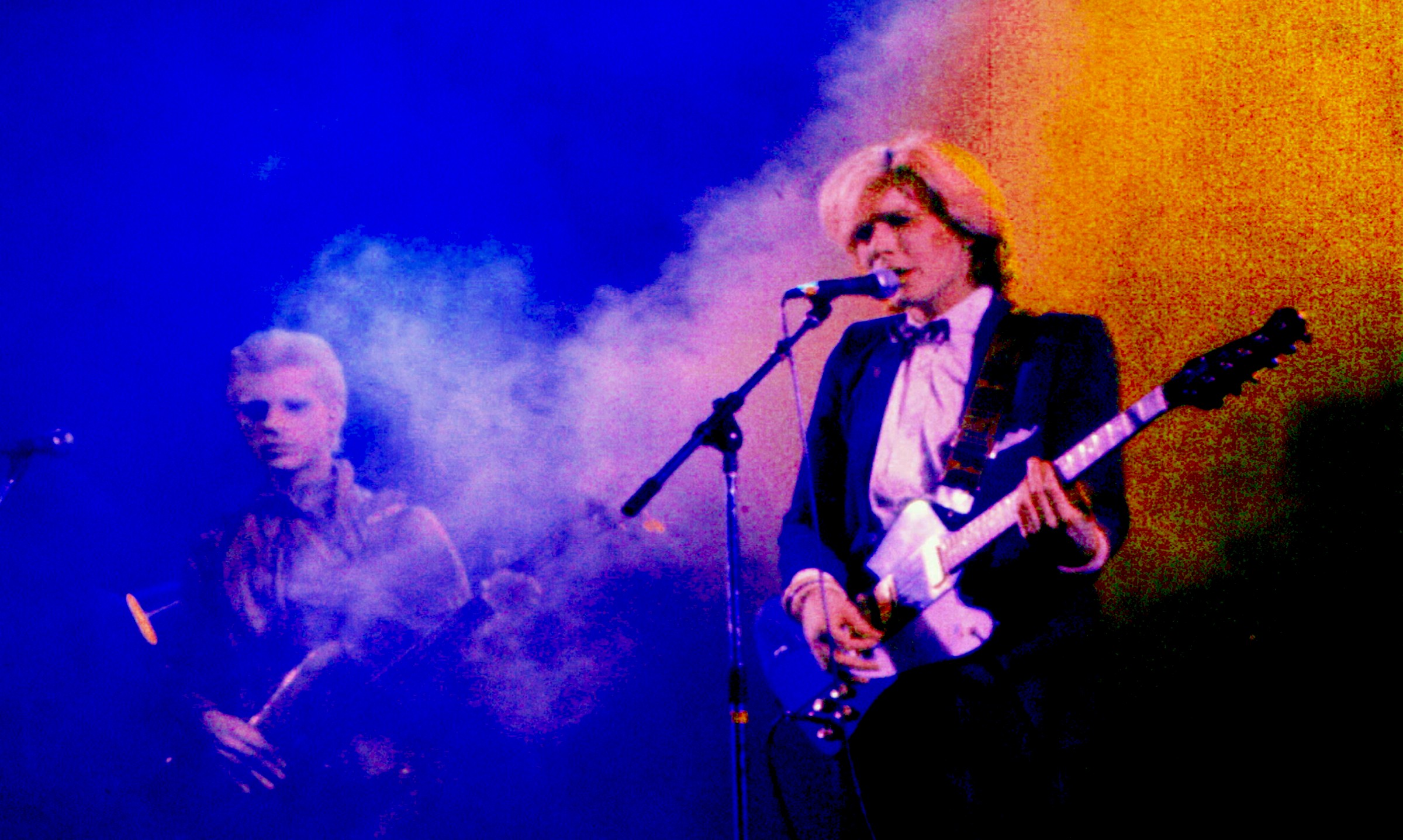
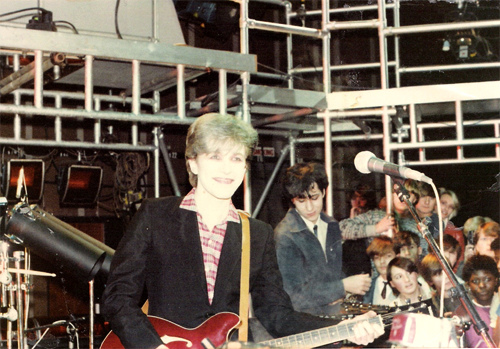
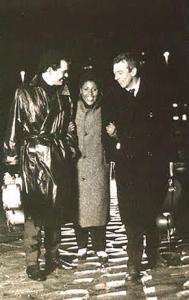
Simon Booth, Juliet Roberts and Larry Stabbins of Working Week

Simon Booth, Juliet Roberts and Larry Stabbins of Working Week

I’ve just had the pleasure of writing the liner notes to a really good new live album by Working Week, possibly the premier jazz/pop band of the 1980s.

It got me thinking about why jazz has totally disappeared from the charts and why the first half of the ’80s seemed the perfect time for jazz and pop to co-exist, especially in the UK.

Here an excerpt from the notes:

‘Does jazz go into pop? Judging by the current music scene, the answer would appear to be an unequivocal ‘no’, but, for a golden period in the early-to-mid ’80s, it seemed as if the two styles could happily co-exist.

Artists like David Sylvian, John Martyn, Hue and Cry, Elvis Costello, Kate Bush, The Rolling Stones, Sting, Danny Wilson, Swing Out Sister, Joe Jackson and Everything But The Girl smuggled some cool chords into the charts introduced the pop audience to players of the calibre of Kenny Wheeler, Harry Beckett, Lester Bowie, Michael Brecker, Ronnie Scott, Eberhard Weber, Sonny Rollins, Guy Barker, Kenny Kirkland and Branford Marsalis.

Sade, Carmel, The Style Council and Matt Bianco’s fusion of jazz and pop wasn’t everyone’s cup of tea but all of them had big hits. The Stranglers’ ‘Golden Brown’ was a jazz waltz (with a few bars of 4/4 thrown in) which got to number one!

The advertising and TV industries played ball and a full-scale jazz ‘revival’ was underway, documented in classic 1986 documentary ’10 Days That Shook Soho’. Courtney Pine and Miles Davis shared space on the UK album chart, Wynton Marsalis made the cover of Time and you could even catch Loose Tubes, Tommy Chase and Andy Sheppard on primetime terrestrial TV.

DJs Paul Murphy, Baz Fe Jazz, Patrick Forge and Gilles Peterson packed out Camden’s Dingwalls and the Electric Ballroom and young hepcats were dancing to Cannonball Adderley, Roy Ayers, Donald Byrd, Art Blakey and Lee Morgan.

Dancers at Dingwalls, London, 1988

Dancers at Dingwalls, London, 1988

Though older British jazzers such as Stan Tracey, Keith Tippett and Mike Westbrook (and some younger ones too) naturally viewed this latest revival with some suspicion, at least it was a relief from the extremely precarious ’70s when rock, funk and fusion almost subsumed jazz.

The old guard hung on, gigging in the back rooms of pubs, picking up occasional free improve shows in Europe or moonlighting in West End pit orchestras. But then punk came along, and it affected more than just disenfranchised young rock fans – its DIY ethos breathed new life into jazz too. Bands like Rip Rig + Panic and Pigbag made huge strides in engaging a youthful, receptive audience. Pigbag even made it onto ‘Top Of The Pops’…twice!

But it was Working Week, co-founded in 1983 by saxophonist Larry Stabbins and guitarist Simon Booth, who really typified the successful fusion of jazz and pop in mid-‘80s. Formed in 1983 from the ashes of jazz/post-punk outfit Weekend (whose ‘The View From Her Room‘ was a confirmed early-’80s club classic), initially Working Week was almost the de facto house band for the emerging scene, with the infectiously exuberant IDJ dancers often joining them onstage.

Robert Wyatt and Tracey Thorn duetted on classic single ‘Venceremos – We Will Win’ which briefly made an appearance on the UK singles chart in late 1984. The accompanying album Working Nights, featuring other Brit jazz legends Guy Barker, Harry Beckett and Annie Whitehead and produced by Sade’s regular helmer Robin Millar, reached a sprightly number 23 in the UK album chart soon after…’

Read more in the Working Week live album.

Six Dodgy Vocal Performances Of The 1980s

Vocal-BoothIt’s fair to say that the 1980s spawned more than a few overproduced records.

Certainly in the second half of the decade, itchy-fingered knob-twiddlers were very quick to swamp a track with all the latest technical gizmos.

But it’s also a producer’s job to get the best out of the musicians and singers he/she is working with, and to that extent the 1980s produced a surprising amount of suspect vocal performances.

Of course, there’s such a thing as good out-of-tune (Dylan, Chrissie Hynde, Neil Young, Randy Newman, Lou Reed, Boy George, Wayne Coyne) but there’s also just…out-of-tune.

Producers often claim that a ‘pitchy’ vocal is acceptable if the emotional force is there, but sometimes you just have to say: ‘Let’s try that one again’ (apparently rarely a problem for one-take masters David Bowie, Aretha Franklin and Billy Mackenzie, though the latter would insist on endless retakes, driving many collaborators to distraction). And there was a lot of money floating about in the ’80s so we can’t really blame time or budget pressures.

Here are seven takes that were probably best left on the cutting room floor. More suggestions please.

6. Yazz: The Only Way Is Up
Maybe it’s the timbre, maybe it’s the pitching, but there’s just something so wrong about the vocals on this huge hit that drove many to distraction in 1988.

5. Wah!: Story Of The Blues
Where to begin? The whole song sounds pretty out-of-tune to me…

4. The Eurythmics: There Must Be An Angel (Playing With My Heart)
This is a weird one. Of course Annie is a fantastic singer, but virtually the whole middle eight sounds just ‘out’ to my ears. The fact that her voice is so high in the mix doesn’t help.

3. The Smiths: Shakespeare’s Sister
Morrissey was always on the verge of a bum note, often in a good way, but this pushes it way too far.

2. Bette Midler: Wind Beneath My Wings
A toe-curling vocal, particularly the ‘ad-libs’ towards the end.

1. The Communards: Don’t Leave Me This Way
Jimmy Somerville’s inimitable soprano is usually pretty damn foolproof but something goes seriously awry in the intro to this kitsch uber-hit. I blame guest singer Sarah Jane Morris.

John Martyn: Glorious Fool

john-martyn-glorious-fool

Putting together my top 15 album list recently had an interesting knock-on effect: I actually spent some time listening to my choices.

Glorious Fool was possibly the one that surprised and pleased me the most (I listened to it on the original WEA cassette which sounds miles better than the CD master for some reason).

The general critical consensus is that John Martyn lost his way in the ‘80s, donning the suit, ditching the acoustic guitar and burying his music in synths, soft saxophones and stodgy productions.

But it’s an overly simplistic view. I would put Glorious Fool and the previous Grace And Danger (not forgetting 1990’s The Apprentice) right up there with any of his fabled ‘70s stuff.

Certainly his compositions were more musically demanding, but John’s lyrics were still pithy and his chords as dark and rich as ever. It’s just that often he was concentrating on his singing a lot more in this period – no bad thing – and so often delegated the main harmonic accompaniment to a keyboard rather than his guitar.


The ‘80s started fairly unpromisingly for John. He was still in turmoil over the breakup with wife Beverley, and the release of his classic Grace And Danger album had been delayed for 18 months, Island Records label boss Chris Blackwell believing it to be terminally uncommercial.

It was finally released in June 1980 to excellent reviews and reasonable sales but it was the straw that broke the camel’s back as far as John’s relationship with Island was concerned.

His new manager Sandy Roberton got him a deal with Warner Bros and also helped put together a cracking new band including ex-Jeff Beck (Blow By Blow) keys player Max Middleton, percussionist Danny Cummings and hotshot young Glaswegian bassist Alan Thomson.

Martyn’s mucker and partner-in-heartbreak Phil Collins also returned on drums and production. John said at the time, ‘I wasn’t married. I thought: let’s go for it, let’s make some money and make a band.’

In June 1981, they all convened at the Townhouse Studios on the Goldhawk Road, Shepherd’s Bush, West London, to commence work on Glorious Fool.

During the recording, John was living in the small apartment above the studio, and would apparently often undertake vocal duties in the wee hours of the morning, slightly the worse for wear and clad only in his dressing gown.

It’s clear that John’s failed marriage is still very much the emotional currency of his songwriting. ‘Pascanel (Get Back Home)’, ‘Hearts And Keys’ and ‘Please Fall In Love With Me’ are crushingly candid in their evocation of the contrasting emotions spawned by a relationship breakdown, everything from pure love and raw lust to rage, despair, envy, pleading and desolation.

The furious ‘Never Say Never’ kicks off with Martyn screaming ‘Shuddup! Close your mouth!’ over Collins’ trademark tom fills. Brilliant. ‘Perfect Hustler’ and ‘Didn’t Do That’ are more comic evocations of lost love, the former featuring Martyn sarcastically taunting his paramour about her suave, Latin-dancing boyfriend, and wondering if he has ‘gold teeth in’!

By contrast, ‘Hold On My Heart’ is an unashamedly soft, romantic love song, the nearest the album comes to an early ’80s Collins or Genesis ballad.

The title track takes a satirical look at the then-newly-elected president Ronald Reagan while ‘Amsterdam’ is a harrowing portrait of a close friend’s funeral in the Dutch capital (after an unrequited obsession with a local prostitute). It features a nasty, brutal groove, sort of John’s version of post-punk, and the haunting refrain: ‘The night the kid left Amsterdam…’ It’s the ‘80s flipside to ‘Solid Air’.

The album ends with the desolate ‘Don’t You Go’, a heartbreaking anti-war folk ballad with John’s moving vocal accompanied only by Collins’ piano and ghostly vocoder.

Another reason for Glorious Fool’s success is the sheer quality of the musicianship. The band can turn on a dime, and Collins has never played better, coming up with three or four classic beats and demonstrating a perfect understanding of what each song requires.

The album was a reasonable success, hitting #25 on the UK charts and staying in the top 100 for seven weeks, and the critics were generally onside. It also made for a very interesting companion piece to Collins’ Face Value, released six months before. You don’t need me to tell you which record sold more copies, but I doubt John lost much sleep over it.

For much more about Glorious Fool and John’s stellar career, check out ‘Some People Are Crazy’ by John Neil Munro and also this excellent BBC4 documentary.

My 15 Favourite Albums (Today)

vinyl-goldLike a lot of music fans, I can’t resist a list, so here are my top 15 albums as of today.

I set myself a few guidelines: only one artist per slot, no dud tracks, no compilations, and some kind of stylistic variety on offer across the selection; in other words, I thought of the 15 albums as a kind of extended desert-island playlist.

In no particular order…

Lewis Taylor: Lewis Taylor (1996)

taylor-lewis-lewis-taylor

The Beatles: Sergeant Pepper’s Lonely Hearts Club Band (1967)

original_460

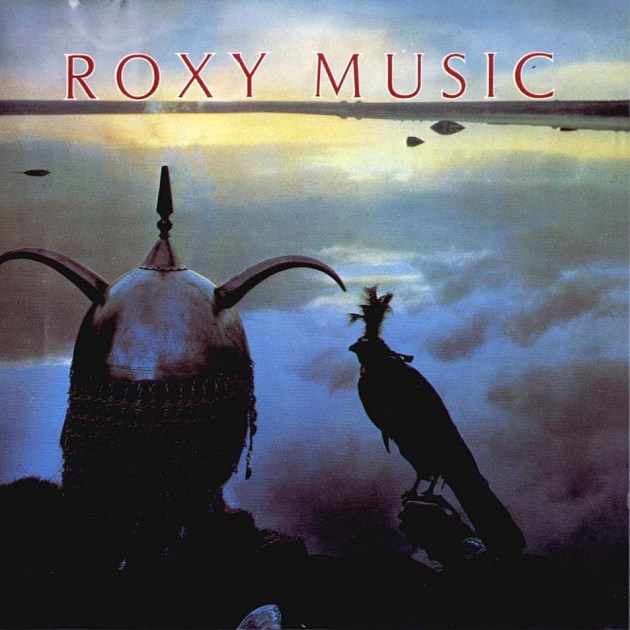
Roxy Music: Avalon (1982)

roxy

Steely Dan: Gaucho (1980)

steely

Peter Gabriel: III (1980)

peter gabriel

Weather Report: Mr Gone (1978)

weather report

XTC: Skylarking (1985)

xtc

Cocteau Twins: Heaven Or Las Vegas (1990)

cocteau_twins-heaven_or_las_vegas

David Sylvian: Gone To Earth (1986)

David sylvian

Sly And The Family Stone: There’s A Riot Goin’ On (1971)

sly

Tribal Tech: Illicit (1992)

Tribal_Tech_Illicit_album_cover

Stanley Clarke: Stanley Clarke (1974)

Stanley_Clarke_-_Stanley_Clarke

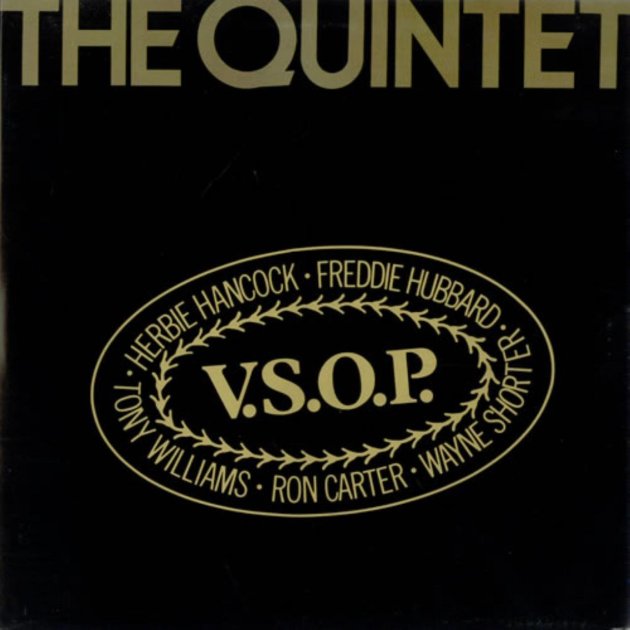
Herbie Hancock/Freddie Hubbard/Wayne Shorter/Ron Carter/Tony Williams: VSOP The Quintet (1979)

vsop

John Martyn: Glorious Fool (1981)

john-martyn-glorious-fool

Scritti Politti: Cupid And Psyche ’85 (1985)

scritti

Just missed the cut:

Grace Jones: Nightclubbing (1981)

Prince: Around The World In A Day (1985)

Mr Bungle: California (1999)

It Bites: Once Around The World (1988)

Mark Isham: Vapour Drawings (1983)

Prefab Sprout: Jordan The Comeback (1990)

Michael Jackson: Thriller (1982)

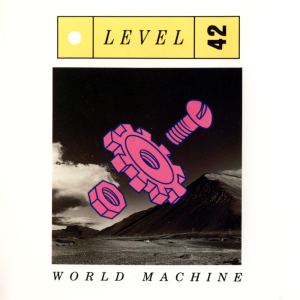
Level 42: World Machine (1985)

Television (1992)

Thomas Dolby: The Flat Earth (1984)

John McLaughlin/One Truth Band: Electric Dreams (1979)

Miles Davis: Nefertiti (1967)

Love And Money: Strange Kind Of Love (1988)

David Bowie: Scary Monsters (And Super Creeps) (1980)

Thelonious Monk: Genius Of Modern Music Vol. 2 (1951)

David Bowie: Scary Monsters (And Super Creeps) 35 Years Old Today

bowieRCA Records, released 12 September 1980

10/10

‘Albums of the ’80s’ lists are all the rage these days. Scary Monsters (And Super Creeps) would easily be in the movingtheriver top ten. It might even be in my top one.

It’s a timeless, masterful work which, for me, can only ever be consumed in its totality. It’s also the collection that all subsequent Bowie albums have been measured against. I would put it over and above Low, Ziggy Stardust and Hunky Dory for its sheer consistency.

ScaryMonstersBackCover

Here’s my case for the defence, track by track:

1. It’s No Game (Part 1)

I’ve previously written about this being one of the great ’80s album intros. Vocally, Bowie channels John Lydon and Peter Hammill to deliver a New York/New Wave anti-fascist tirade that ranks among his great performances. Producer Tony Visconti ‘f***s with the fabric of time’ to create a cavernous, Eventide-drenched mix and guitarist Robert Fripp delivers one of his most unhinged statements. Avant-rock heaven. Adapted from Bowie’s early demo ‘Tired Of My Life‘.

2. Up The Hill Backwards

A brilliant treatise on press intrusion and the wretchedness of celeb culture inspired by Bowie’s ‘dealings’ with the press during his failing marriage, with an ingenious central image of paparazza snapping away at their prey as they shuffle ‘up the hill backwards’. Endlessly catchy with a beautifully-realised unison vocal – the only track in the Bowie canon which doesn’t feature his solo singing.

3. Scary Monsters

Bowie revisits his finest Mockney accent to deliver a bleak, blanked-out, darkly funny tale of semi-stalking. There’s more Phil Spector-style brilliance from Visconti and another Fripp masterclass in balls-out guitar playing. The only minor criticism is that it possibly goes on for about a minute too long.

4. Ashes To Ashes

An instant classic with a very Bowie mix of child-like innocence and creeping malevolence as the hopelessly drug-addicted, world-weary Major Tom drifts off into the ether. Effortlessly superb songcraft with three or four memorable sections, boundary-pushing lyrics (‘Visions of Jap girls in synthesis’!) and a myriad of majestic hooks.

5. Fashion

The lameness of the style wars is in Bowie’s sights this time as he almost mumbles the ironic verse lyrics over a tough New York disco/funk/rock groove. And there’s more barking mad Fripp soloing. Danceable, amusing, timeless. Originally titled ‘Jamaica’ in demo form.

6. Teenage Wildlife

Initially coming across as slightly lumpy and leaden, the track builds and builds in intensity to deliver a powerful message to Bowie’s ‘mythical younger brother’ about keeping a sense of perspective as one gets older. His patented ‘histrionic’ vocal style is superbly realised and drummer Dennis Davis holds it all together with aplomb. Originally titled ‘It Happens Every Day’ in demo form.

7. Scream Like A Baby

Spooky dystopian fable about a future society’s outlawing of homosexuality and other ‘deviant’ behaviour. Bowie’s ingenious stuttering provoked many a schoolyard titter and the weird vocal doppler effects are perfectly realised. Revamped from the Bowie-written/produced ‘I Am A Laser‘ originally recorded by Ava Cherry/The Astronettes.

=bowie

8. Kingdom Come

A superb cover of a track from Tom Verlaine’s debut album, Phil Spector is the obvious influence again with Davis’s booming, overdubbed tom fills and some anthemic, reverb-drenched backing vocals. Majestic, powerful, intriguing. Verlaine was apparently supposed to play guest guitar throughout the album but bowed out at the eleventh hour.

9. Because You’re Young

An ‘advice’ song to his son, Bowie offers the lessons he has learnt and looks back with great poignancy and not a little sarcasm on his carefree, youthful days. Peter Townshend strums along (apparently he arrived at the studio drunk and ready to party, but was stunned to find Visconti and Bowie sitting quietly at the recording desk like ‘two sober, little old men’!) and Bowie delivers a superb, kaleidoscopic lead/backing vocal combo.

10. It’s No Game (Part Two)

Carlos Alomar’s masterly rhythm guitar anchors this reprise, with Bowie doing his best Iggy croon and offering up images of world poverty, media saturation and dunderheaded political/cultural strategies. We hear the multitrack tape spool off its reels at the very end to close one of the great albums of the ’80s or any other decade.

A big nod to Nicholas Pegg.

Miles Davis: You’re Under Arrest 30 Years Old Today

miles

As a teenage jazz/fusion fan and burgeoning muso, 1983’s Star People caught my ear but it was You’re Under Arrest that really captured my imagination and made me a Miles fan for life.

Everything about the package was designed to be provocative, from the garish cover design to the in-your-face but always funky music. It’s a far more colourful and multi-layered listen than the previous year’s Decoy, partly because Miles was going public with his views on police intimidation, racism and the nuclear threat for the first time (and also getting involved with the anti-apartheid movement on the Sun City project).

In the era of ‘We Are The World’, even Miles was demonstrating that he had a social conscience, but he used gallows humour and an uncanny ear for a gorgeous melody to make his points.

Between 1981 and 1984, the primary musical style of Miles’s comeback had been so-called ‘chromatic funk’, a hard-driving, minimalist style consisting mainly of one-chord vamps, heavy bass lines, frantic Latin percussion and fleet-fingered melodic heads, usually played by sax and guitar in unison (and more often than not based on transcribed John Scofield guitar solos).

But in early 1984, Miles took his band into New York’s Record Plant studios to record a whole host of pop and AOR tunes, including ‘Wild Horses’ by Nik Kershaw, Tina Turner’s ‘What’s Love Got To Do With It’, Dionne Warwick’s’ ‘Deja Vu’, Michael Jackson’s ‘Human Nature’ and Cyndi Lauper’s ‘Time After Time’.

Though of course Miles was by no means new to recording pop songs, it’s doubtful whether any of these were anywhere near the calibre of ‘My Funny Valentine’ or ‘It’s Only A Paper Moon’. Various 1985 band members have since expressed their dissatisfaction Miles’s ‘pop’ direction and it’s telling that only ‘Time After Time’ and ‘Human Nature’ made the cut for You’re Under Arrest (and, to be fair, became centrepieces of his live gigs until the end of his life). The other covers are yet to see the light of day.

By all accounts, the album eventually came together very quickly and just under the wire; Miles took his band into the studio and re-recorded much of the 1984 material over a very short period in January 1985, later saying that the tempos had been wrong on the original takes and that they didn’t have enough punch.

The opening ‘One Phone Call/Street Scenes’, with its sound effects, darkly-comic spoken-word shenanigans (‘Smokin’ that marijaroney’!) and fleet funk, is the kind of thing you might expect from Prince or George Clinton, but not the most famous jazz artist in the world. The track was surely a big influence on Prince’s Madhouse project and also B-sides such as ‘Movie Star’.

John McLaughlin delivers an exciting modal guitar blowout on ‘Katia’ (named after his then wife the pianist Katia Lebeque) finding endless lines to play over the one-chord vamp. Despite the dated Simmons drums and synthesized horn blasts, the track is still gripping and dramatic after all these years.

Ditto the title track, the ultimate take on ‘chromatic funk’. The ‘Jean Pierre/And Then There Were None’ medley is also arresting with its eerie sound effects and childlike celeste. Listen out for Miles’ mordant closing remark too, intended either for Reagan or recording engineer Ron Lorman (or both?).

The only tracks I really can’t take are the two ballads, ‘Time After Time’ and ‘Human Nature’. Although the latter became a really powerful live number, Miles’s playing is fairly underwhelming and the arrangements don’t add anything to the originals. But, in general, You’re Under Arrest is a really strong album and quite a stunning statement from a 59-year-old ‘jazz’ musician.

Watching footage of Miles playing live in 1985 shows what an extraordinary presence he still was – stalking the stage, sometimes whispering into his bandmates’ ears, sometimes throwing mock-right-hooks towards the camera lens – coupled with possibly his best trumpet chops during the last decade of his life.

Steps Ahead: Modern Times

Steps-Ahead-Modern-Times

Any budding sax player of the ’80s had to have been checking out Michael Brecker, devouring his post-Coltrane superchops and forensic exploration of every chord.

Funk and pop fans loved him because he could play absurdly-tight horn arrangements with his trumpet-playing brother Randy and also solo superbly over vamps, finding endless melodic ideas in the simplest two-chord changes.

He was surely the only sax player who could play comfortably with Kenny Wheeler, Parliament and Everything But The Girl. It has to be said that most hardcore jazz purists were intrinsically suspicious of this, but who cares what they think…

Brecker formed Steps Ahead (originally Steps) with fellow New York masters vibraphonist Mike Mainieri and bassist Eddie Gomez, put together initially for the Japanese market. Steve Gadd was their original drummer, replaced in the early ’80s by Weather Report man Peter Erskine.

Steps Ahead’s self-titled debut album showcased a mostly-acoustic fusion sound, but the 1984 follow-up Modern Times embraced all sorts of ’80s technology to intriguing effect.

Of course such tinkering opens it up to sounding somewhat dated these days, but at least the album has ambition, quality compositions and the kind of attention to detail that makes it an interesting companion piece to key mid-’80s works like The Flat Earth, Hounds Of Love, Boys And Girls and So.

Opener ‘Safari’ kicks off with a vaguely Caribbean/reggae groove featuring a multitude of synths and sequencers and a tribal, almost Zawinulesque melody. With repeated listens there are many pleasures to be found; Brecker’s typically incisive tenor solo, Erskine’s subtly-building groove work, the slinky bass line which rumbles on throughout.

Equally arresting is pianist Warren Bernhardt’s title track, a modal piece built over another serpentine, sequenced line, developing into a series of lovely vignettes featuring Brecker’s solos and some very Steely Dan-ish chord progressions.

Mainieri’s composition ‘Old Town’ features King Crimson/Peter Gabriel sideman Tony Levin playing some menacing Stick over the sort of exotic, ambient groove Bryan Ferry would utilise on Boys And Girls a year later. And ‘Radio-Active’ taps into some of the World vibes Peter Gabriel investigated throughout the ’80s.

Unfortunately a few tunes let the side down, drifting uncomfortably into smooth jazz territory. Mainieri’s composition ‘Self Portrait’ is almost saved by a lyrical Brecker solo but far too saccharine for my tastes, while Erskine’s ‘Now You Know’ features a melody line (Brecker on soprano) which, though memorable, veers scarily towards Kenny G.

And it has to be said that Eddie Gomez’s role in the band was diminishing very fast, so anonymous is his contribution. He would be gone by the next album Magnetic, replaced by ex-Weather Report man Victor Bailey.

In Modern Times‘ liner notes, Peter Erskine thanks someone for their help with click tracks, and that concept in itself would probably turn off a big section of the ‘jazz’ audience.

But some arresting compositions, tribal grooves and typically tasty Brecker solos ensure that one’s attention never strays for long. Modern Times is a key jazz album of the ’80s, albeit one that would probably have given most of the Young Lions nightmares…

Aztec Camera: Four Golden Greats

Aztec-camera-roddy-frameIt all came back to me recently when I heard some church bells in Totnes ringing out the opening bass melody from ‘We Could Send Letters’.

Although always one of my AC favourites, I hadn’t heard the song in years. Cue a period of rediscovery and a realisation that Roddy Frame penned four or five stand-out songs of the ’80s.

The guy had it all – intelligent lyrics, guitar chops, classic songcraft, good looks. Arguably the only thing missing was the classic album that his talent warranted.

But no matter: there were plenty of treats anyway. Here are a few:

4. We Could Send Letters (1983)
The low-key beginning builds into an epic, love-lorn pop gem, oddly never released as a single. Though dated by its Syndrum fills and airy production, the song however is water-tight with that lovely hike up into the chorus. An ’80s break-up classic.

3. Oblivious (1983)
Summery, Flamenco-tinged pop gem that reached #18 in the UK singles chart. Frame works the minor/major thing beautifully (minor-key verse, major chorus), nails a very tricky acoustic guitar part and also pulls off the seldom-achieved trick of writing something catchy but not annoying.

2. Deep And Wide And Tall (1987)
Openly states the pressing question perhaps underlying all great pop music: are we going to live together? Roddy and producer Russ Titleman achieve the Scritti groove sought throughout the Love album. A mixture of spine-tingling backing vocals and major-seventh chords fuse to gorgeous effect. Inexplicably reached a lowly #87 in the UK.

1. Working In A Goldmine (1987)
Roddy’s ‘blue-eyed-soul’ period wasn’t an outright success but this shimmering ballad with its fine Rob Mounsey arrangement is a standout. Seemingly about the unknowability of a lover (‘We love/What shines/Before our eyes/Why can’t we learn/What hides?’), it features one of the most sublime middle-eights (or, more accurately, middle-sixes) of late-’80s pop.

Sheila E In Romance 1600: 30 Years Old Today

sheila e

The music biz is littered with successful solo artists who were tempted out from behind the drums.

Marvin Gaye, Teddy Pendergrass, Phil Collins, Karen Carpenter, Dave Grohl, Frank Zappa and Iggy Pop all graduated from the engine room to centre stage.

But while Sheila has never been on that level in terms of record sales or cultural impact (though trumps all of them in terms of drumming chops), her transition from sidewoman to frontwoman led to a couple of really infectious, interesting albums in the mid-’80s.

She had an enviable CV long before going solo, including percussion work with Billy Cobham, Herbie Hancock, Marvin, George Duke and Diana Ross. Prince and Sheila were a similar age and had followed each other’s careers since the late-’70s. When he tasted his first mainstream success and was looking to mentor new artists, she was top of the list.

Their first collaboration was the superb B-side ‘Erotic City’, swiftly followed by Sheila’s debut album The Glamorous Life, a hit. But its follow-up, Sheila E In Romance 1600, was a far more expansive and experimental piece, even though recording sessions were squeezed in on days off during the Purple Rain Tour between December 1984 and January 1985.

Despite Sheila’s obvious musical pedigree, Romance 1600‘s liner notes and song credits are misleading – this is a Prince album in all but name. According to biographer Per Nilsen (and as listed at the ASCAP offices), he wrote all the tracks here bar one (kicking Latin/fusion instrumental ‘Merci For The Speed Of A Clown In Summer’) and played all instruments except drums, percussion and sax.

But lucky for us, Romance 1600 was recorded smack-bang in the middle of his golden period and features some of Prince’s finest performances as a musician. His guitar solos on ‘Dear Michelangelo’ and ‘A Love Bizarre’ are simply tremendous, the latter throwing in some ridiculous bass too.

But Sheila also brings out the best in him. There’s much more humour here than on his own albums of the period. She turns in some hilariously hammy vocal performances on ‘Sister Fate’, ‘Toy Box’ and dramatic ballad ‘Bedtime Story’. Sheila and Prince were having a lot of fun and you can hear the results. Sometimes the rushed nature of the recording shows, though – the mix is very murky and the album is short of a few memorable pop hooks.

Prince’s ‘movie’ concept was in full effect here. He was leaving behind the ‘street’ style of Vanity 6/Purple Rain/The Time and embracing a romantic, ‘Amadeus’-influenced image which also crossed over into The Family project and his Parade album.

Thinking of Romance 1600 as a movie also opened up the album musically, allowing Sheila and Prince to embrace jazz (‘Yellow’), fusion, wacky synth-pop (the title track), Latin and even Third Stream. This eclectic outlook was no doubt also influenced by his Revolution bandmates Wendy and Lisa.

Sheila E In Romance 1600 was a reasonable hit, going gold in the US and reaching #50 on the Billboard chart, no doubt helped by the success of the ‘Love Bizarre’ single (US #11). Sheila toured the US for the second time in two years.

She followed up Romance 1600 with a disappointingly bland self-titled album in 1987, which featured far less contribution from Prince. More successfully, she played some fantastic drums on the Sign ‘O’ The Times and Lovesexy tours.

Sondheim Meets Springsteen: Prefab Sprout’s From Langley Park To Memphis

prefab

Prefab go Pop. There are big-name guest spots (Stevie Wonder, Pete Townshend), gospel choirs, an orchestra and Deacon Blue’s producer.

The lengthy recording period and increased budget certainly paid off; synths and strings glisten, Paddy McAloon and Wendy Smith sound like they’re singing in the room with you and one can hear every nuance of Neil Conti’s tasty drumming.

Steve McQueen producer Thomas Dolby could only find the time to oversee four out of the ten tracks; of these, only ‘Knock On Wood’ sounds like trademark TD. Apparently, once McAloon learned that Dolby would be unavailable for much of the recording, he flirted with the idea of using a different producer for each song. The notion was quickly abandoned but it reinforced the idea that this would be Paddy’s most collaborative project so far.

At the time of its release, Paddy publicly declared that he hated the sound of records being made in the late ’80s and in response seems to have looked for songwriting inspiration from pre-rock’n’roll forms – Gershwin, Berlin, Cole Porter, Broadway musicals (he also later said that he was slightly obsessed by Barbra Streisand’s The Broadway Album around this time).

Paddy had also by now made big strides in his keyboard playing, writing all but two From Langley Park tracks on piano. Consequently, his melodies are daring and original, but there’s arguably a fair degree of musical ‘schmaltz’ in the arrangements too, particularly on ‘Hey Manhattan’, ‘Nightingales’, ‘Nancy’ and ‘The Venus of the Soup Kitchen’, but it’s Stephen Sondheim schmaltz rather than Disney schmaltz. The wonderful ‘Nightingales’ sounds like the score from some kind of futuristic Broadway musical.

CBS obviously had high hopes for the album and their faith was paid off in the shape of a hit single, ‘King of Rock & Roll’, and one near-hit, ‘Cars And Girls’, though one wonders how McAloon views those now – I’ll wager with a degree of sheepishness. But I remember being extremely excited to see the video for ‘Cars And Girls’ popping up on ‘The Chart Show’.

Listening back after all this time, it’s From Langley‘s minor, more understated tracks that really stand the test of time. ‘Knock On Wood’ and ‘Enchanted’ could have come from Steve McQueen.

The former features a simple, unusually direct lyric from Paddy over a surreal, subtle pot-pourri of percussion and synth effects from Dolby. One wonders what McAloon’s demo sounded like. It’s slight and simple but no worse for that.

‘Nancy’ is gorgeous, a ‘Brief Encounter’esque tale of unrequited romance in the workplace, possibly inspired by McAloon’s relationship with his fellow Sprout (it doesn’t take a huge effort to imagine the word ‘Wendy’ in place of ‘Nancy’).

‘I Remember That’ sees McAloon in full-on crooner mode, emoting over MOR strings and weirdly-stilted gospel backing vocals. Paddy pokes fun at Springsteen’s obsessions on ‘Cars And Girls’, but then hilariously attempts a four-on-the-floor, Springsteenish rocker ‘The Golden Calf’ which doesn’t quite come off.

It’s hard to overstate the weirdness of the closing ‘Venus Of The Soup Kitchen’, a collision of slick Steely Dan drums, wonky Farfisa organ, distinctly-unfunky vocals from the Andrae Crouch singers and some amusing cocktail guitar from McAloon, coming over like a Ken Loach tale told in Broadway-musical style. For better or worse, there’s nothing else remotely like it in the Prefab output.

So, an important, big-selling album for Prefab (reaching #5 in the UK album charts) and another hugely impressive chunk of songwriting from McAloon. He was in a bullish mood, talking to the media about chart placings and competing with Michael Jackson and Prince, and his purple patch led to an even more cogent and powerful piece of work in the extraordinary Jordan The Comeback.