Essential 1980s Jazz/Rock Albums (Part 1)

1980s jazz/rock generally gets the side-eye these days.

But it wasn’t all the Chick Corea Elektric Band prancing around the stage in tracksuits or pitiful WAVE-style smooth jazz.

The 1970s jazz/rock pioneers were mostly going strong and if some were too tempted by synths and drum machines, the best music was made by sticking pretty rigorously to the tried-and-tested real drums/bass/guitar/keys lineup favoured by Miles, Weather Report, Return To Forever et al.

So here’s a selection of 1980s jazz/rock albums that have consistently gripped movingtheriver, most of which he queued up to buy at the HMV or Virgin Megastore, or found in an Our Price bargain bin. (These are not proggy or funky. So no Herbie, Brecker Brothers, David Sanborn or David Torn, but there are elements of R’n’B/Latin/soul/whatever mixed in with the jazz).

Bireli Lagrene: Foreign Affairs (1988)
Just 21 years old when he recorded it with producer Steve Khan, the French guitarist’s second Blue Note album is a cohesive gem and massive improvement on the debut, with terrific contributions from keyboardist Koono and drummer Dennis Chambers.

Ornette Coleman: Virgin Beauty (1988)
One of the most ‘accessible’ albums of the master’s career, with memorable melodies, a brilliantly expressive bassist (Al McDowell) and some decidedly odd guest appearances from Jerry Garcia.

Tribal Tech (Scott Henderson/Gary Willis): Nomad (1988)
Recorded in April 1988 but not released until early 1990, guitarists were rightly wowed by Henderson’s brilliance, a mixture of Michael Brecker, Allan Holdsworth and Stevie Ray Vaughan, while the rhythm section is groovy and propulsive and both Henderson and Willis’s compositions are excellent. And ‘Tunnel Vision’ may feature the perfect guitar solo…

John McLaughlin: Mahavishnu (1984)
OK there are some question marks in the keyboard and sax departments, and a few mediocre tracks, but Billy Cobham has rarely sounded better and John contributes three or four classic compositions and a few brilliant solos to this reunion album of sorts.

Marc Johnson’s Bass Desires: Second Sight (1987)
Wonderful interplay between guitarists John Scofield and Bill Frisell, plus some classic compositions including Scofield’s surf-rock-meets-jazz ‘Twister’, Frisell’s Monk-like ‘1951’ and Johnson’s moving ‘Hymn For Her’.

Larry Carlton: Last Nite (1987)
Guitarists of all stripes were blown away by Carlton’s playing in the 1980s, and here’s the best evidence, captured live at LA’s Baked Potato club with Alex Acuna, Abe Laboriel and JR Robinson.

Human Chain: Cashin’ In (1988)
This Brit jazz/rock classic, released on EG Records, had elements of the Canterbury sound, West Coast cool jazz, English folk music and 1980s Weather Report, featuring Django Bates’ fantastic keys and French horn and some weirdly impressive guitar and fretless bass from Stuart Hall (who he?). Also injects a healthy dose of much-needed humour to the ’80s jazz world.

Hiram Bullock: Give It What U Got (1988)
All the fun of the fair from this gifted but troubled guitarist: raunchy funk/rock, instrumental Steely Dan, Brecker Brothers horns, classic fusion and an Al Jarreau guest appearance on a Sam Cooke tune, but all shot through with jazz chords and Hiram’s lyrical playing.

Ronald Shannon Jackson: Mandance (1982)
Ornette-style harmolodics and Mingus-like ensemble work meet NYC punk-jazz on the drummer’s intriguing and powerful album, recorded live in the studio, featuring future Living Colour axeman Vernon Reid.

Weather Report: Sportin’ Life (1985)
It was a toss-up between this and Night Passage, both classics, but this gets the nod courtesy of the newly-minted rhythm section of Omar Hakim and Victor Bailey, plus a few classic Wayne Shorter tunes including ‘Face On The Barroom Floor’ which reportedly Joni Mitchell was particularly smitten by.

Wayne Shorter: Atlantis (1985)
Wayne again, fronting this fascinating, complex song-cycle featuring Alex Acuna on drums and Joni’s husband Larry Klein on bass. Takes some time to digest, but like a good wine gets better every year.

Allan Holdsworth: Secrets (1989)
A toss-up between this and Metal Fatigue, this gets in because of his delicious guitar tone and the inspired contributions of drummer Vinnie Colaiuta – ‘City Nights’, ‘Spokes’, ‘Peril Premonition’ and ‘Joshua’ are musical landmarks. Fiery, exciting, unmissable.

Steps Ahead: Modern Times (1984)
Messrs Brecker, Erskine, Mainieri, Gomez and Bernhardt were embracing some new technology but they never let it overshadow the mostly excellent compositions with telling solos, particularly from Brecker.

John Scofield: Still Warm (1985)
Take your pick between this, Blue Matter and Loud Jazz, all fantastic pieces of work, but Still Warm gets the nod courtesy of its dynamite rhythm section (Darryl Jones and Omar Hakim) and arguably John’s best writing of the ’80s.

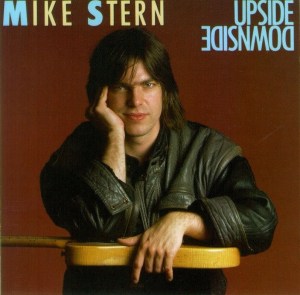
Mike Stern: Upside Downside (1986)
Produced by Hiram Bullock and featuring a crack band including Dave Weckl on drums, it showcases Stern’s finest/fieriest playing on record to date and also one of Jaco Pastorius’s last notable appearances. Still the best Stern solo album and quite extreme in its own way.

(If you’re new to any of these albums and they float your boat, please consider buying physical copies to support the artists.)

Billy Cobham @ 80: Five From The 1980s

The author with Billy Cobham, autumn 2000

Many happy returns to Mr Cobham who turned 80 this week. His drum mastery continues to inspire.

Movingtheriver pretty much learnt to drum by listening to Mr Cobham’s Spectrum, David Sanborn’s (RIP) Hideaway, Steely Dan’s Aja and a few more. His playing was sheer class, something to aim for. There was always an emphasis on technical excellence and good tuning – but the most important thing was the music, the groove.

I was fortunate enough to study with Mr Cobham at the Guildhall School of Music circa 2000. Unforgettable memories.

To celebrate his 80th birthday, here are five key moments from his 1980s. The early part of the decade saw Mr Cobham forge a new life in Switzerland, whilst fronting various bands featuring the likes of Mike Stern, Don Grolnick and Gil Goldstein. Then came the short-lived, controversial tenure in John McLaughlin’s revamped Mahavishnu Orchestra (explored in my book) which nonetheless produced some great music, and then a high-profile return to the solo career via Dave Grusin and Larry Rosen’s GRP Records.

5. Drum Clinic (Part 6), BBC TV, 1982 (?)
Here’s where it all started for movingtheriver. My dad caught it totally by chance on BBC2 and luckily recorded it onto a VHS. It blew the minds of many British drummers including Level 42’s Phil Gould who was reportedly present at the filming.

4. Billy Cobham/Herbie Hancock/Ron Carter: ‘Eye Of The Hurricane’, Lugano, Switzerland, 1983
A period when Billy embarked on various brilliant European collaborations. Still one of the most exciting, propulsive trios I’ve ever heard in acoustic jazz.

3. ‘The Dancer’ (1985)
If memory serves, I was given Mr Cobham’s Warning for my 13th birthday, alongside Joni Mitchell’s Dog Eat Dog and Steely Dan’s The Royal Scam. What a day that was. I still love this album and am glad I kept the vinyl.

2. ‘The Debate’ (1986)
Warning’s followup Power Play didn’t quite have the impact of his GRP debut but Billy’s drums have arguably never been better recorded.

1. Live In Cannes (1989)
A recent find this, worth watching for a rare look at Billy playing timbales (during the first song) and also his fine hookup with percussionist Nippy Noya.

Book Launch: John McLaughlin (From Miles and Mahavishnu to The 4th Dimension)

Matt’s new book ‘John McLaughlin: From Miles and Mahavishnu to The 4th Dimension’ is available now and can be ordered via the links below.

‘A must-have in every aspiring musician’s personal library.’ Billy Cobham, Mahavishnu Orchestra drummer

‘A wonderful insight into a true innovator and colossus of the guitar.’ Mark King, Level 42 bassist/vocalist

‘Scrupulously researched… A fluent career overview.’ **** MOJO, December 2023

‘The most comprehensive overview of McLaughlin’s career to make it into print thus far.’ **** Shindig!, January 2024

‘Comprehensive and thoroughly researched, Phillips’ book is a revelation. A must-read for guitar aficionados and McLaughlin devotees.’ Bill Milkowski, author of ‘Jaco’ and ‘Michael Brecker’

‘Riveting… Meticulous storytelling… The book is not just a narrative, it’s a visual feast.’ Jazz In Europe

‘Paints the fullest picture yet of the guitarist’s life.’ Jazzed

‘Thorough and impassioned… The first book to fully illuminate the least-appreciated, least-documented periods in the extraordinary career of this wondrously free-spirited, prolific, perpetually questing artist.’ Booklist

UK orders:

UK Bookshops

Rowman & Littlefield (Enter discount code RLFANDF30 to save 30% off the list price)

World Of Books

Hive

Blackwell’s

Waterstones

Foyles

WHSmith

USA orders:

Rowman & Littlefield (Enter discount code RLFANDF30 to save 30% off the list price)

Barnes & Noble

BooksaMillion

It’s an exhaustive look at John’s catalogue, live career and spiritual life, with an introductory note by Robert Fripp, testimonials from Mark King, Billy Cobham and Bill Milkowski, interviews with key collaborators and lots of exclusive photographs. I cover John’s early sessions with David Bowie and Donovan, his remarkable sideman work with Tony Williams and Miles Davis, the fabled solo career fronting The Mahavishnu Orchestra and Shakti and various projects alongside the likes of Sting, Jeff Beck, Herbie Hancock and Carlos Santana.

If you’ve enjoyed this website in any capacity, please consider buying this book and getting it to the toppermost of the poppermost… Thank you!

Gig Review: John McLaughlin/Shakti @ Hammersmith Odeon, 28 June 2023

Late July 1976: if you were a British jazz/rock fan, all roads led to the legendary Hammersmith Odeon in West London.

The Billy Cobham/George Duke Band opened three nights of music, followed by John McLaughlin’s Shakti and then the headliners Weather Report. The encores often featured members of all three fusion supergroups.

So how apt that a reformed Shakti should appear at the same venue almost exactly 47 years on. And what a relief that they chose the Hammersmith Odeon (it’ll always be the Odeon to me, I can’t call it the ‘Apollo’…) to kick off this hugely anticipated 50th anniversary tour rather than the predictable Barbican or Royal Festival Hall. Accordingly, this was not your usual ‘jazz’ crowd after a little ‘culture’ – it was a vocal, refreshingly multicultural audience.

An attempt to marry ‘Western’/blues-influenced timbres with both North/South Indian rhythmic/melodic approaches, Shakti released three albums between 1976 and 1978, then reformed as Remember Shakti in 1998 for three more tours and subsequent live albums.

For this iteration, promoting brand new album This Moment, 81-year-old guitar master McLaughlin was joined by regular collaborators Zakir Hussain on tabla, Shankar Mahadevan on vocals and Selvaganesh Vinayakram on sundry percussion, plus youthful new recruit Ganesh Rajagopalan on violin.

There was combustive interplay on the opener ‘5 In The Morning, 6 In The Afternoon’, McLaughlin going back to his youth with some potent blues licks, bringing to mind his playing on Miles’s ‘Right Off’. Is he using an amp again, after years of firing his guitar straight through the PA?

An exquisite ‘Zakir’ came with heartfelt words from John to his friend. ‘Anna’, described as a ‘golden goldie’ by Hussain, featured flawlessly-played classical Indian lines and a brilliantly fluid solo from Rajagopalan.

John’s guitar gained a little more distortion in time for the violinist’s composition ‘Mohanam’, and by the middle of the gig he was in his element, dropping in references to ‘Lila’s Dance’ and Lee Morgan’s ‘The Sidewinder’. New track ‘Bending The Rules’ even saw John inject a lick from his 1980s classic ‘Florianapolis’. ‘Sakhi’ and ‘Lotus Feet’ were very touching, and some incendiary konnakol percussion duels closed the show on ‘Finding The Way’.

There was light and shade, fury and meditation at this excellent gig – the only downside was the incessant filming with mobile phones. Is there no privacy/immediacy at these larger concerts? The Shakti story continues. Who would have predicted that five years ago? Their tour continues through Europe and into the US during August. Don’t miss.

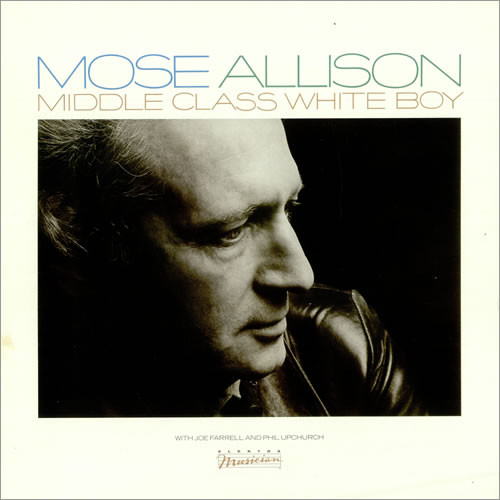
Mose Allison: Middle Class White Boy

You’d be hard pressed to find a musician less likely to thrive in the 1980s, but hey – it’s a great pleasure to feature Mose Allison on this site.

A big influence on artists as varied as The Who, Bonnie Raitt, Randy Newman and Frank Black, the Tennessee-born pianist and songsmith, who died in 2016, wrote witty, brilliant standards such as ‘Parchman Farm’, ‘Your Mind’s On Vacation’, ‘Feel So Good’ and ‘Everybody’s Cryin’ Mercy’.

His speciality was the medium-fast blues/jazz groove, with an extra bar or two thrown in and/or an unexpected modulation. He found endless interesting variations on this theme and his self-mocking, occasionally profound lyrics made one chuckle or think – sometimes both.

Mose toured relentlessly, mostly eschewing festivals in favour of nightclubs (the first time I saw him was during a long run at Pizza On The Park in Knightsbridge – don’t look for it, it’s not there any more…), and had a cadre of pick-up bassists and drummers all over the world who had to adhere to some pretty exacting rules – no egos, backbeats, cymbal crashes or excessive use of the kick drum.

1982’s Middle Class White Boy was Mose’s comeback album, his first for six years and debut for legendary jazz impresario Bruce Lundvall’s burgeoning Elektra Musician jazz label.

But it’s probably fair to say that neither Mose nor Lundvall got an album they were happy with. The terrible cover doesn’t bode well. It was recorded in just two days and sounds like it. Then there’s the fact that for some reason Mose mainly opted to use a tinny, badly-recorded electric piano on the date.

Also he arguably didn’t have enough decent original material – there are five cover versions, only Muddy Waters’ ‘Rolling Stone’ emerging with much distinction.

But on the plus side he’s helped by two formidable sidemen – Chess/George Benson legend Phil Upchurch on guitar and ex-Return To Forever man Joe Farrell on saxes and flute, both of whom get a lot of solo space and play excellently.

And the album benefits from not one but two absolute Mose classics: the title track and a new version of ‘Hello There Universe’. But otherwise it’s not a comfortable listen. It’s a big relief when he breaks out the acoustic piano on ‘When My Dreamboat Comes Home’, even if the song isn’t anything to write home about.

The Middle Class White Boy experience didn’t exactly make Mose rush back into a studio; he released one further album for Elektra, a live record from the 1982 Montreux Jazz Festival featuring none other than Billy Cobham on drums (they had occasionally recorded together on Mose’s Atlantic sides).

Then there was another five-year hiatus before his 1987 Blue Note Records (where he rejoined Lundvall) debut Ever Since The World Ended (with its remarkably prescient title track, given these current times), a return to form.

Perhaps predictably, the 1980s were not particularly kind to Mose but there are still some gems to seek out.

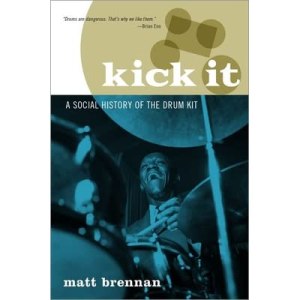
Book Review: Kick It (A Social History Of The Drum Kit) by Matt Brennan

What’s your favourite drummer joke?

One attributed to legendary London saxophonist/club owner Ronnie Scott particularly sticks in the memory:

‘Dad, I want to be a drummer when I grow up.’

‘Well, make your mind up, son. You can’t do both.’

Though Matt Brennan’s excellent ‘Kick It: A Social History Of The Drum Kit’ commences with a raft of such jibes, it does so only to make a point and might even put pay to them forever. The book puts skin-spankers right at the forefront of modern music and is surely the best PR job for the profession yet to emerge.

Though ostensibly an ‘academic’ work, ‘Kick It’ is anything but stodgy or overly-analytical – rather, it’s an enjoyable, fast-paced, truly internationalist voyage through the evolution of the drum kit and status/profession of the drummer, from slave ships to the modern-day, multi-tasking, technology-savvy ‘beat-maker’, via Congo Square, the swing/bebop revolutions of the 1930s/1940s and advent of the studio player in the 1960s.

‘Kick It’ unflinchingly outlines how racial and cultural stereotypes initially hampered the status of the percussionist in modern industrial societies, but also brilliantly describes the vital role of the multi-faceted, ambidextrous drummer in vaudeville, minstrel and music-hall traditions (drummers were called upon to supply everything from rainfall to thundercracks during live performance).

Accordingly, Brennan also shows how drummers’ demands accelerated technological developments both in kit/cymbal construction and recording techniques, and also how German, Turkish and British manufacturers were arguably just as important as the American companies.

Brennan outlines the careers and styles of such legends as Gene Krupa (who put the tom-tom on the map), Kenny Clarke (who brought the ride cymbal and kick drum into play) and Earl Palmer, who served as a link between ‘jazz’ and ‘pop’ players, ‘swinging’ his rock grooves on records by Fats Domino and Chuck Berry even as pianists and guitarists were moving towards ‘straight eights’.

Brennan also looks at the issue of sexism in the percussion industry, with particular focus on the tragic career of gifted drummer Karen Carpenter.

Later Brennan makes fascinating parallels in the careers and playing styles of first Ringo Starr and Charlie Watts, then, in a moving section, Keith Moon and John Bonham (the latter two dying at the depressingly young age of 32 – Brennan fascinatingly explores how both may have suffered from feelings of inferiority and insecurity, not helped by the attitudes of their bandmates).

‘Kick It’ moves intriguingly into the 1980s, looking at the careers of Billy Cobham, Bill Bruford, Phil Collins, Neil Peart and Steve Gadd, exploring how recording techniques and drum machines revolutionised percussion sounds, and finally comes right up to the present to investigate how sampling and programming have given drummers a whole new lease of life in the streaming era.

A tremendous achievement – both a history lesson and exciting story to boot – ‘Kick It’ had this drummer newly inspired, rushing to his kit with some gusto and not a little pride.

Players will find a host of fascinating photos and stories – the book may also have you questioning everything you ever assumed about the traditional kit – while the general music fan will find an intriguing, fast-paced history of modern music.

Don’t let ‘em ever tell you you’re ‘just’ a drummer…

‘Kick It’ is published by the Oxford University Press.

The Brecker Brothers: Live And Unreleased

Horn sections – they sure divide opinion, especially in the ‘pop’ realm.

Some people just cannot stand all of that pomp and circumstance, while others get turned on by a hot, punchy chart.

But like ’em or hate ’em, some great records just wouldn’t be the same without the horns: The Teardrop Explodes’ ‘Reward’ for example.

But who are the most-recorded sections of all time? You’d get very short odds on The Brecker Brothers, comprising Michael on tenor and Randy on trumpet, occasionally augmented by David Sanborn on alto too.

They graced hundreds of recordings before Michael’s death in 2007, including Parliament’s ‘Chocolate City’, Todd Rundgren’s ‘Hello It’s Me’ and Dire Straits’ ‘Your Latest Trick’. Under their own name, seven studio albums showcased a really cool sound with funky grooves and intricate harmony, somewhere between Stevie Wonder and Steely Dan.

And now they’ve been given the full-on archive treatment, a new Live And Unreleased album featuring a complete two-hours-plus gig with no edits or overdubs, recorded in Hamburg on 2nd July 1980.

This is a really impressive package, a beautifully-recorded double with extended liner notes by Bill Milkowski and additional, amusing memories from Randy Brecker.

The sh*t-hot band includes Neil Jason on bass (familiar to fans of Roxy Music’s Flesh & Blood and Avalon), Barry Finnerty on guitar (most famous for a short stint with Miles Davis), Mark Gray on keys and Richie Morales on drums.

The material is a mix of BB favourites like ‘Squids’, ‘Sponge’, ‘Some Skunk Funk’, ‘Straphanging’, ‘I Don’t Know Either’ and ‘East River’. Pleasingly, these are pretty faithful to the original studio versions tempo-and-arrangement-wise, but there’s also a big emphasis on extended solos and one-chord vamps.

It’s also clear that, by 1980, Michael was giving Randy a serious run for his money on the composing front – his tunes and sometimes extraordinary solos dominate proceedings, particularly on the sprightly ‘I Don’t Know Either’ and ‘Tee’d Off’.

Finnerty gets a hell of a lot of solo time but is generally pretty characterless compared to other Brecker-approved studio guitarists (Hiram Bullock, Steve Khan), while Gray is excellent but too low in the mix.

Morales is rock-solid but, again, fairly anonymous compared to other Brecker favourites Steve Jordan, Terry Bozzio, Steve Gadd and Harvey Mason (hardly surprising, since they are three of the all-time greats…). Jason, with his big, buoyant, funky sound, is the star of the rhythm section.

As usual, ‘Some Skunk Funk’ makes for fascinating listening – the funk/fusion standard has become a kind of test piece for drummers (Harvey Mason, Billy Cobham and Terry Bozzio all had memorable cracks at it, offering subtly different readings). Morales has a good go here but again lacks the invention and drive of the aforementioned.

So: three-and-a-half stars for the music, five for the package. It’s definitely worth immersing oneself in it on vinyl or CD, helped by Randy’s witty between-song comments.

It’s a really strong live album with some great performances, and exemplifies an interesting period for jazz/rock when good grooves and extended solos took precedence over technical chops. Even if you can’t stand horn sections…

Great Drumming Albums Of The 1980s (Part One)

Dennis Chambers

It was a good decade to pick up the sticks.

Inspiration was easy to come by; the early ‘80s delivered brilliant drum-centric hits like The Jam’s ‘A Town Called Malice’, Bow Wow Wow’s ‘I Want Candy’, Adam and the Ants’ ‘Ant Rap’ and Phil Collins’ ‘In The Air Tonight’. Drums were sounding like DRUMS again – the days of dead-sounding kits seemed (almost) over.

Exciting fusions were everywhere: avant-gardists combined free-funk and free-jazz; art-popsters brought ideas from minimalism, Africa and the Far East; jazz/rock masters of the 1970s moved into production and arrangement; dub and World music thrived.

Post-punks fused rock and reggae; the ‘Young Lions’ embraced and sometimes extended the drum worlds of Art Blakey, Philly Joe Jones and Max Roach; funk and R’n’B got precise and spicy; metal players took double-kick playing to extraordinary extremes. And of course there was also the sudden development of technology: some drummers shrunk from the challenge, others rose to it.

So, to celebrate movingtheriver.com’s third anniversary, here’s a personal selection of the decade’s finest drum performances, in no particular order.

46. Loose Tubes: Loose Tubes (1985)
Drummer: Nic France
France marshals this big band through jazz/rock, Latin and African vibes with a sparky, lively studio sound, something like a Brit version of Dave Weckl.

45. Lee Ritenour: Earth Run (1986)
Drummer: Carlos Vega
The album may be the beginning of Ritenour’s descent into bona fide smooth jazz but the best tracks feature brilliant playing by the underrated Vega.

44. Prefab Sprout: Protest Songs (1989)
Drummer: Neil Conti
Conti’s classy playing provided a subtle, always stylish counterpoint to Paddy McAloon’s pithy, complex songs about poverty, childhood and the social mores of the early ’80s.

43. Robert Plant: Shaken ‘N’ Stirred (1985)
Drummer: Richie Hayward
Little Feat were a tough act to follow from a drumming point of view but Hayward settled into the 1980s with this superb performance, showcasing a bright, expressive style on Plant’s quirky, Peter Gabriel-influenced art-rock.

42. Frank Gambale: Live! (1989)
Drummer: Joey Heredia
LA-based Heredia combined slinky funk/fusion, Police-style rock/reggae and Latin grooves to spectacular effect on this classic live album. His sparring with a terrifyingly unhinged Gambale on ‘Credit Reference Blues’ and ‘Touch Of Brazil’ is essential listening.

41. Al Jarreau: L Is For Lover (1986)
Drummer: Steve Ferrone
The ex-Average White Band ex-pat Brit takes us on a journey through the art of groove on this nearly-forgotten Nile Rodgers-produced minor classic. He gives James Gadson a run for his money with his killer 16th-note hi-hats, crisp snare and nifty footwork.

40. Eddie Gomez: Mezgo (1986)
Drummer: Steve Gadd
On this Japan-only album (which is still waiting for a CD release), Gadd was at his most expressive, navigating the bebop flavours of ‘Puccini’s Walk’ and quirky fusion stylings of ‘Me Two’ with great aplomb. And no one else could have played a samba the way Gadd does on ‘Caribbean Morning’.

39. Miles Davis: We Want Miles! (1982)
Drummer: Al Foster
In combination with bassist Marcus Miller, the underrated Foster laid down some highly original rhythm section work on Miles’s only live album of the 1980s. Listening to his ‘bouncing ball’ dynamics on ‘Kix’, you’d swear that the very fabric of time was being messed with.

38. Rockin’ Jimmy & The Brothers Of The Night (1982)
Drummer: Chuck DeWalt
Here’s one out of left-field from a Tulsa bar band who I first heard yonks ago on Alexis Korner’s fabled early-’80s Radio One blues show. DeWalt had a Ringo-esque knack for coming up with simple but memorable drum parts, with a great feel and nice use of space.

37. Living Colour: Vivid (1988)
Drummer: Will Calhoun
Calhoun’s whip-crack snare and natty ride cymbal/hi-hat combinations knocked a lot of drummers’ socks off in 1988. He was just as comfortable with the half-time, Bonhamesque rock of ‘Cult Of Personality’ as he was with the funk and go-go grooves of ‘Funny Vibe’ and ‘Broken Hearts’.

36. INXS: Kick (1987)
Drummer: Jon Farriss
If it’s funky pop you’re after, Farriss is your man. His dynamics, ghost notes and weird accents on ‘New Sensation’ and ‘Need You Tonight’ are worth the price of admission, while ‘Never Tear Us Apart’ sounds a bit like Ringo if he had a few more chops.

35. Hiram Bullock: Give It What U Got (1987)
Drummer: Charley Drayton
NYC-native Drayton delivered a cutting snare, subtle cymbal work and exciting two-hi-hat grooves on this impeccable slice of late-’80s funk/fusion. No one else – not even his buddy Steve Jordan – could have done a better job.

34. Sting: …Nothing Like The Sun (1987)
Drummer: Manu Katche
Overproduced? It’s a moot point when the playing’s as delicious as this. His independence between kick drum and hi-hat on ‘Rock Steady’ is fairly mind-boggling, while no one apart from Copeland and Colaiuta has perfected the high-speed reggae groove with such aplomb.

33. Narada Michael Walden: Divine Emotions (1988)
The ’70s fusion hero turned ’80s producer extraordinaire still had time to deliver this forgotten classic featuring tasty, tight, propulsive grooves and a return to blazing jazz/rock on the hysterical closer ‘We Still Have A Dream’.

32. John Scofield: Electric Outlet (1984)
Drummer: Steve Jordan
The NYC tyro had already turned heads with the Blues Brothers and ‘Saturday Night Live’ bands but this album perfectly captured his more expansive side. Two hi-hats, crisp snare, gorgeous K Zildjians and some spry kick drum work, particularly on ‘Pick Hits’, ‘Big Break’ and the title track.

31. Nik Kershaw: The Works (1989)
Drummer: Vinnie Colaiuta
We knew that Vinnie could unleash some jaw-dropping chops, but this album perfectly demonstrates his groove side. Check out how he navigates the 6/4 time of ‘Cowboys And Indians’ and hot-wires mid-tempo rocker ‘Wounded Knee’. And then there’s THAT fill in ‘Don’t Ask Me’…

30. Billy Cobham: Powerplay (1986)
An album that finally captured what it’s like to stand a few feet away from the master, featuring a lovely acoustic drum sound, shorn of any studio effects. There was incredible clarity to his playing even if the material wasn’t quite as strong as on the previous year’s album Warning.

29. Japan: Oil On Canvas (1983)
Drummer: Steve Jansen
Jansen was always looking at new ways to play a 4/4 beat and came up with five or six classics on this live retrospective. ‘Visions Of China’, ‘Canton’ and ‘Sons Of Pioneers’ still sound like unique drum statements in the history of recorded music.

28. Stanley Clarke: Rocks, Pebbles And Sand (1980)
Drummer: Simon Phillips
Beautifully recorded by Dennis Mackay, his drums have never sounded better or bigger. From the driving rock’n’roll of ‘Danger Street’ to highly technical prog-fusion of ‘She Thought I Was Stanley Clarke’, the London maestro delivered a superb performance throughout.

27. Bireli Lagrene: Foreign Affairs (1988)
Drummer: Dennis Chambers
Many to choose from in Dennis’s repertoire but I’ve plumped for this hard-to-find fusion classic. With a fatter snare than usual, he anchors the band beautifully on Weather Report-style jams ‘Josef’ and ‘Senegal’ and unleashes a trademark 6/8 groove and killer solo on the title track.

26. Van Halen: 1984
Drummer: Alex Van Halen
If he had only ever recorded the freaky double-bass workout ‘Hot For Teacher’, his place in the drum pantheon would be assured. But this breakthrough album also featured a host of other treats, not least ‘Jump’, plus the most identifiable snare drum in hard rock.

25. John Abercrombie: Getting There (1987)
Drummer: Peter Erskine
Difficult to choose one from possibly the jazz drummer of the decade but I’ve gone for this mid-career classic. Erskine busts out his Elvin Jones chops on ‘Furs On Ice’ and rocks hard on the epic title track which almost approaches avant-rock.

24. John Martyn: Glorious Fool (1981)
Drummer: Phil Collins
A fascinating companion piece to Phil’s Face Value and Genesis’s Duke during arguably his best period of drumming. He brings out lots of lovely ghost-noted grooves in the Little Feat style, some brutal rock on ‘Amsterdam’ and even spicy fusion on ‘Didn’t Do That’.

23. China Crisis: Diary Of A Hollow Horse (1989)
Drummer: Kevin Wilkinson
Wilkinson was (he sadly took his own life in 1999) kind of an English Jeff Porcaro, a tasty groovemeister who always played exactly what was right for the song – with lots of elan. Check out the subtleties of ‘St Saviour’s Square’, ‘In Northern Skies’ and ‘Red Letter Day’.

22. Toto IV (1982)
Drummer: Jeff Porcaro
It would almost be sacrilege not to include this. Some of the greatest rock drumming in history, with feel, finesse, style, a rich, full sound and lovely time-feel (though he famously claimed ‘my time sucks’!).

21. Pat Metheny: 80/81 (1981)
Drummer: Jack DeJohnette
DeJohnette was always a class act on ECM’s ’80s projects and he sounds sparkling on this double album. But I include it mainly for his performance on ‘Every Day I Thank You’, goosing saxophonist Michael Brecker into one of his finest sax solos on record.

20. Stanley Clarke Band: Find Out! (1985)
Drummer: Rayford Griffin
There are definitely shades of Cobham in his exuberant style (and he set himself up left-handed on a right-handed kit like Billy) but also grooves aplenty on this underrated album. His lopsided funk on ‘Born In The USA’ is balanced out by chops-fests ‘Campo Americano’ and ‘My Life’. This guy has technique to burn but also does what’s right for the song.

The countdown continues here.

Book Review: Sheila E’s The Beat Of My Own Drum

sheila eConsidering he was such a huge star and cultural icon, it’s surprising that Prince’s eventful life and sad death has yet spawned so few ‘kiss and tell’ memoirs.

Let’s hope it stays that way. But while his long-time musical partner and one-time fiancée Sheila E certainly doesn’t shy away from sharing her memories of him in her fine autobiography ‘The Beat Of My Own Drum’ (co-written with Wendy Holden), those recollections form only a small part of a very rich, diverse collection of portraits.

After all, Sheila has played percussion and/or drums with some of the all-time greats: Carlos Santana, Herbie Hancock, Marvin Gaye, George Duke, Lionel Richie, Tito Puente, Diana Ross and Billy Cobham, not forgetting her father Pete Escovedo.

But while there are plenty of tasty music biz anecdotes, the book also provides a fascinating portrait of growing up in a mixed-race family (her mother is African-American and father Mexican) in a less-than-salubrious section of Oakland, California.

Sheila paints a rich picture of a seemingly happy childhood based around music, dancing, sports (she is apparently a pretty useful football player), charity and community, with shared cultural references such as The Carpenters (Sheila was hugely inspired by seeing Karen on the TV), Sly and the Family Stone and The Jackson 5, though there also some racial tensions around too.

But then the book goes in a completely different, unexpectedly harrowing direction when she chronicles the sexual abuse suffered as a young girl at the hands of several cousins. The section rivals James Rhodes’ recent book ‘Instrumental’ in its shocking candour.

Thankfully, if anything, the abuse drives her ambition rather than beats her down, though she admits to seeing it as a dark secret that clouds the rest of her life.

There are fascinating anecdotes about travelling to Colombia at the age of just 15 to play percussion with the Latin/fusion supergroup Azteca. Cobham, Duke and Gaye are mainly described in glowing terms, almost as father figures, and she is unexpectedly candid about her romantic and musical infatuations with Santana. There’s also a hilariously mismanaged backstage ‘meeting’ with Diana Ross.

But it’s easy to forget just how unique Sheila’s talent was in the 1980s when she made it as a ‘pop star’. We had never seen a percussionist/singer/dancer triple-threat before, as she herself points out, and Latin celebrities were very rare.

This pop period is grippingly covered in the book, with tales of disastrous video shoots, crazy tour schedules and much celebrity hobnobbing. Escovedo also very nicely juggles the spicy anecdotes with some genuine, intelligent advice for the modern musician, and just enough technical stuff about playing drums and percussion too.

Sheila also discusses her project Elevate Hope Foundation which focuses on music therapy for victims of child abuse, a noble and important program which continues to go from strength to strength.

So if the last quarter of ‘The Beat Of My Drum’ reads more like a self-help book than a famous musician’s autobiography, we can surely cut her some slack. Highly recommended.

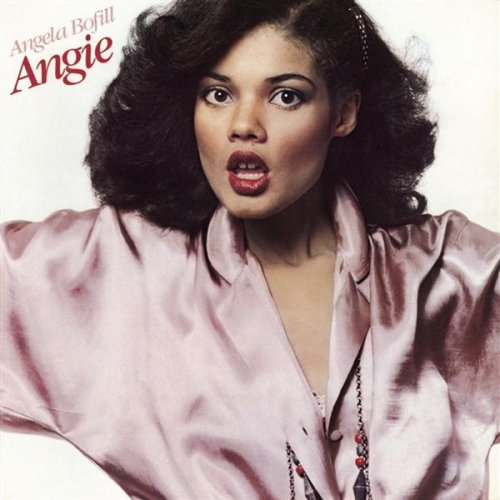
Angela Bofill: Angel Of The ’80s

angelaThe strand of jazzy soul music developed by artists like Minnie Riperton, Phyllis Hyman, Chaka Khan, Jon Lucien, Al Jarreau, Randy Crawford and Carl Anderson probably reached its commercial apex with Anita Baker’s eight-million-selling 1986 album Rapture.

But perhaps the most underrated singer in that style was Angela Bofill, an ever-present on the US R’n’B charts between 1978 and 1984.

Best known for her sultry ballads and Latin-tinged mid-tempo jazz/soul tracks, I stumbled upon an Angie Best-Of sometime in the early ’90s and have been a fan ever since.

Her voice has a lovely, yearning quality, with power, range, great enunciation and a hint of Whitney Houston about it. But you’ll never hear Bofill’s music on the radio, at least here in the UK, and it’s a shame that she didn’t quite manage that breakthrough pop hit.

Born in the Bronx to a Cuban father and Puerto Rican mother, Bofill studied classical singing at the Manhattan School of Music.

After a tip-off from Latin Jazz flautist Dave Valentin, she was initially mentored by producers Dave Grusin and Larry Rosen, recording her successful first two albums Angie and Angel Of The Night for the fledgling GRP label.

Moving to Arista Records under the supervision of legendary impresario Clive Davis, she worked with some big-name producers throughout the ’80s: George Duke, Narada Michael Walden, Norman Connors and The System (David Frank/Mic Murphy).

Narada particularly seemed a good fit for her, co-writing a few killers such as ‘Tropical Love’ and ‘Too Tough’ and teaming up with future ‘American Idol’ judge Randy Jackson on bass to make a phenomenal rhythm section.

Angela also made a wonderful guest appearance on ‘Where Do We Go’, the standout track from Stanley Clarke’s lacklustre Hideaway album of 1986, and there were also interesting duets with Boz Scaggs and Johnny Mathis around the same time.

But her most impressive material was self-penned. ‘You’re A Special Part Of Me’, ‘Gotta Make It Up To You’, ‘Song For A Rainy Day’ (which she also produced), ‘I Try’ (memorably covered by Will Downing in the early ’90s), ‘Accept Me’, ‘Rainbow Inside My Heart’ and ‘Time To Say Goodbye’ are all stand-outs which demonstrate her fine musicianship as well as vocal skills.

It’s a shame her composing, producing and arranging talents were never properly utilised, though she left us with a few classics nevertheless.

Angela made a comeback in the mid-’90s with Love In Slow Motion, a nice album featuring three superb tunes – ‘All She Wants Is Love’, ‘Soul Of Mine’ and the very Janet Jackson/Jam & Lewis-esque ‘Love Changes’ – which matched anything from her ’80s peak.

She also made a notable appearance at the 1998 Montreux Jazz Festival with Billy Cobham and George Duke.

Unfortunately serious illness befell Angela in 2006. Two strokes have limited her recording and live appearances, but she did make a brief return to the stage in 2012: ‘The Angela Bofill Experience’ featured stories from her life and career, with artists such as Maysa Leak, Phil Perry and Melba Moore performing signature songs.

Since then, things have been quiet, but we send good vibes from London. Angie’s certainly not forgotten in these parts.

[Angela Bofill sadly passed away in 2024.)