Singles Released:
‘Let’s Dance’ (#1)
‘China Girl’ (#2)
‘Modern Love’ (#2)
‘Cat People (Putting Out Fire)’ (#26)
Bowie on Let’s Dance: ‘At the time, it was not mainstream. It was virtually a new kind of hybrid, using blues-rock guitar against a dance format. There wasn’t anything else that really quite sounded like that at the time. So it only seems commercial in hindsight because it sold so many. It was great in its way, but it put me in a real corner in that it fucked with my integrity! It was a good record, but it was only meant as a one-off project. I had every intention of continuing to do some unusual material after that. But the success of that record really forced me, in a way, to continue the beast. It was my own doing, of course, but I felt, after a few years, that I had gotten stuck…’
Of the all-time-great drummers who emerged in the ’80s – a list that would have to include Manu Katche, Dave Weckl, Dennis Chambers and Trilok Gurtu – you could argue that Omar Hakim was the main man. His hip, funky, vibrant style typified all that was good about the music of the era.
Effortlessly versatile, endlessly creative and always musical, Hakim emerged from the early ’80s New York jazz and fusion scene and quickly became the drummer of choice for David Sanborn, David Bowie, Dire Straits, John Scofield, Weather Report and Sting. He could play everything from straight jazz to heavy rock’n’roll with total ease, great feel and a beautifully light touch.
I first became aware of Omar when he demonstrated his ‘Children’s Crusade’ beat on BBC TV’s ‘Rock School’. I was a major fan from that day on.
Here are seven great Omar performances from the ’80s:
7. Sting: ‘I Burn For You’ (1985)
Drum legend Jeff Porcaro waxed lyrical about this performance which appears in the 1985 film ‘Bring On The Night’. One of Omar’s specialities is soloing over a static vamp, and he really takes it out about as far as it can go here.
6. Dire Straits: ‘So Far Away’ (1985)
Omar can do slick, clean, laidback rock too, as heard on this Brothers In Arms opener. Check out his lovely fills, layered in at the end of each chorus, bringing the playing of Motown star Benny Benjamin into the ’80s.
5. David Sanborn: ‘Rush Hour’ (1982)
Omar dusts off a much-imitated ghost-note-inflected groove for this track from the As We Speak album, possibly influenced by the late great Little Feat sticksman Richie Hayward. Only Hayward could have nailed this with as much panache, drive and subtlety.
4. Weather Report: ‘Db Waltz’ (1984)
Omar pulls out all the stops on this ingenious 3/4 (or is it 6/8?) groove, the centrepiece of the Domino Theory album, falling somewhere between a swing feel and straight feel just the way the old guys used to do it on the R’n’B hits of the ’50s. He also demonstrates some jaw-dropping chops towards the end.
3. Special EFX: ‘Sabariah’ (1988)
The music comes uncomfortably close to smooth jazz on this opening track from the Confidential album but Omar’s grooving is just sublime. The controlled energy explodes from his kit.
2. David Bowie: ‘Neighbourhood Threat’ (1984)
Omar could also play heavy rock with the best of them as demonstrated by this underrated track from Tonight. And not even Jeff Porcaro could have conceived of the floor-shaking fill at 2:14.
1. John Scofield: ‘Techno’ (1985)
The lead-off track from the classic Still Warm album, this perfectly illustrates Omar’s intricate hi-hat playing, as distinctive as Stewart Copeland’s almost a decade before. I dig the way he takes the tune out with some sick china cymbal/snare combinations.
Circa 1988, my schoolmate Seb stuck a few tracks from The Flat Earth (possibly ‘Screen Kiss’ and ‘Mulu’) at the end of the Lovesexy tape he did for me.
I was smitten – I needed as much music as possible by this guy. I’ve since bought the albums several times on various formats.
On Earth, Dolby deliberately downplays the ‘zany’ image and creates an atmospheric, beautifully arranged, largely introspective collection.
He covers various styles (funk, lounge jazz, synth rock, World), mastering all with an incredible consistency of mood, production and songwriting.
My mates and I also loved his habit of incorporating seemingly-random clips of audio into/between his songs, like the spoken word outbursts from the likes of Robyn Hitchcock.
The title track came from an unused jam originally intended for Malcolm McLaren’s Trevor Horn-produced Duck Rock album. Its lilting South African melody (reminiscent of ‘Obtala’ from Duck Rock) and confessional lyrics signalled a new maturity in Dolby’s style, continuing with the majestic ‘Screen Kiss’ featuring excellent, much imitated fretless bass work from Matthew Seligman.
Techno-rocker ‘White City’ should be covered by someone. Dolby himself masters the art of the cover version with his take on Dan Hicks’s ‘I Scare Myself’ featuring a gorgeous muted trumpet solo by guitarist Kevin Armstrong who, according to Dolby’s liner notes, had never played the instrument before the recording.
And the album closer ‘Hyperactive’ (originally written for Michael Jackson, fact fans) is actually a bit out-of-place on the largely downbeat Earth but it’s a fun, funky, irresistible little pop song, perfect to send you out into the night with a smile.
Dolby is a brilliant painter of pictures with sound, relentlessly using audio fragments to augment melodic and lyrical ideas (check out the extraordinary tree-falling which pops up throughout the title track and also the typewriters which pepper ‘Dissidents’).
But these songs would also work beautifully played with just an acoustic piano accompaniment, as his recent solo tours have demonstrated.
Of course, over here in Blighty, the music press were a bit suspicious of Dolby’s technical mastery and obvious musicianship, though The Flat Earth reached a respectable #14 in the UK album chart, #35 in the US.
Dolby followed up The Flat Earth by playing keyboards with David Bowie at Live Aid (alongside Seligman and Armstrong), forming occasional project Dolby’s Cube with George Clinton, Lene Lovich and the Brecker Brothers and producing both Prefab Sprout’s triumphant Steve McQueen and Joni Mitchell’s underrated Dog Eat Dog.
Ex-Propaganda/ACT vocalist (and, dare we say, ’80s icon?) Claudia Brucken has enjoyed a real career renaissance in the last decade.
Her recent studio albums have featured collaborations with members of Heaven 17, Depeche Mode, Erasure and OMD, and new release Where Else is a very strong record of torch songs which foregrounds fine melodies and an unexpected ’60s pop influence.
West London’s plush, intimate Bush Hall was the perfect venue for this classy, deceptively low-key return to the London stage. With a minimalist red-curtain backdrop and versatile two-man backing band, Claudia began the gig seated but moved through the gears with consummate ease.
Her vocals sounded rich and round, a big improvement on the last London gig two years ago, and it was also great that she kept audience banter to an absolute minimum, a lesson to some younger artists who seem desperate to pass the time of day.
Where Else was played pretty much in sequence as is the current way, and what’s clear is that the new songs are stark and slight but very catchy, with attractive, slow-burning melodies.
To go along with the string synths, piano and digital beats, there was generally an unmistakable Zombies/Colin Bluntstone influence on the new material too, with some distinctly Doors-style keyboards thrown in for good measure.
The resplendent, still striking ‘Duel’ (which my companion very adroitly pegged as the sound a-Ha had vainly aimed for throughout their career) and ‘P-Machinery’ were saved for the rapturously-received encores, and a rousing cover of Bowie’s ‘Everyone Says Hi’ was perfectly judged.
The gig was crying out for a real drummer though (paging Neil Conti) to add more of the human element, but budgets are budgets.
If all her stars are aligned, Brucken might yet enjoy an Everything-But-The-Girl-style sleeper hit. What seems unlikely is any kind of Secret Wish 30th anniversary tour; she seems very happy and musically fulfilled where she is right now.
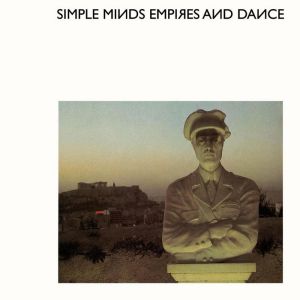
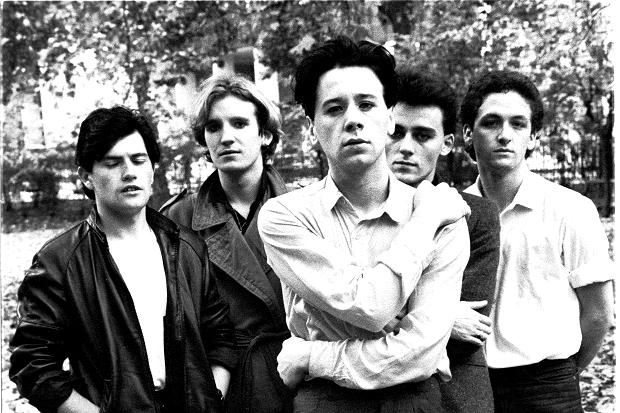
Before their mid-‘80s commercial peak, Simple Minds were an art-rock band par excellence.
They fitted perfectly into the post-punk landscape and on Empires And Dance, their third album, they certainly wore their influences boldly on their sleeve – Kraftwerk, Can, Roxy, Joy Division, Eno, Magazine, Velvet Underground, ‘Lodger’-era Bowie – but combined them exceptionally well.
Musically very strong, with Derek Forbes’ memorable basslines very much to the fore, this uncompromising album combines motorik beats with doomy vocals, Eno-style ambience, jagged post-punk guitar and deliciously sludgy synths.
Jim Kerr’s travelogue lyrics compliment the music perfectly, snapshots of bleak European passport controls, attempted assassinations and wintery landscapes. Producer John Leckie brings his usual spirit of experimentation and lays on the brittle, creeping sense of paranoia.
While the one-chord grooves tire a bit on ‘Today I Died Again’, ‘Celebrate’ and ‘Capital City’, the Euro-funk of ‘I Travel’ and ‘This Fear of Gods’ chills the blood. ‘Twist/Run/Repulsion’ is almost an early example of sampling with its random speech, out-of-phase horn blasts and queasy, looped drums. Kerr channels Bowie’s ‘African Night Flight’ with his high-speed rap (though on the demo he took a different approach).
‘Thirty Frames a Second’ and ‘Constantinople Line’ almost approach the work of Throbbing Gristle and Gary Numan with their garish synth tones and forbidding atmospheres. ‘Kant Kino’, named after a Berlin art-house cinema, pits a slight but very catchy Charlie Burchill guitar melody against amplifier hiss, tape echo and synth drone; Eno would surely approve and the track was possibly an influence on U2’s ‘4th Of July’.
The closer ‘Room’ could almost have come from the first Velvet Underground album (though they could have done with playing to a click track; the song almost doubles in speed by the end…).
Empires And Dance peaked at #41 in the UK album charts. It might have gone higher had Arista Records pressed more than just 7,500 copies at a time. The band couldn’t get off that label fast enough (like Iggy Pop).
But Peter Gabriel became a major fan and took them on tour with him throughout October and November 1980, allegedly paying most of their expenses.
Empires And Dance is very interesting album indeed and a great companion piece to Bowie’s Berlin trilogy, Peter Gabriel III and Talking Heads’ Remain In Light.
The Big Apple music scene is in a period of transition. New Wave and No Wave have been replaced by Mutant Disco and Punk/Funk, Madonna is planning her assault on the charts in dance studios and rehearsal rooms around Manhattan, major record labels are flirting with the harmolodic jazz/rock/funk of James Blood Ulmer, Miles Davis’s comeback is getting into its stride despite his continuing ill health and Hip-Hop is flourishing into a fully-fledged movement.
Meanwhile, Nile Rodgers is reaching a crossroads. Confidence is low; his band Chic have seemingly become passé (a very Chic word) with recent albums Tongue In Chic and Take It Off failing to set the charts alight. They are still seen as a disco act even though their music increasingly embraces jazz, funk, R’n’B and even early hip-hop.
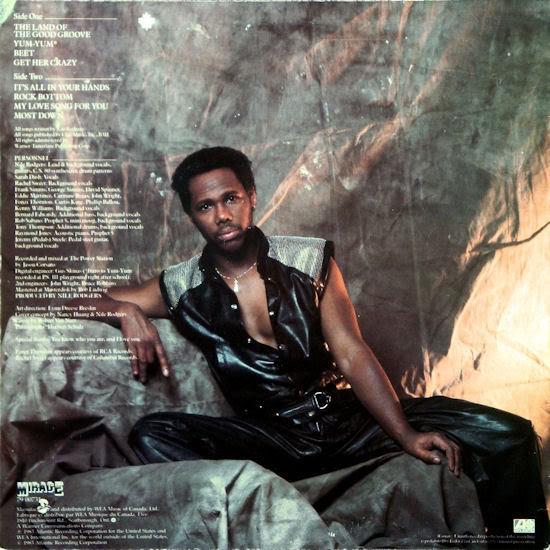
The good news is that Rodgers has been given the green light to make his first solo album. But Adventures In The Land Of The Good Groove is not the record Chic fans are expecting from him. No female singers are featured (apart from a brief appearance by ex-Supremes/Labelle vocalist Sarah Dash) and the Chic rhythm section Bernard Edwards and Tony Thompson only appear on three tracks out of eight.
The album sounds far more stripped down than Chic, relying heavily on early drum machines, Rodgers’ guitar playing and his surprisingly effective, relatively downbeat vocals. Lyrically, the album focuses on debauched NYC nightlife rather than the faded glamour of the Chic aesthetic.
I loved this album from the day my dad played it to me in the mid-’80s. I came to it completely fresh; I’d never heard Chic before. But I possibly recognised something of Nile’s soundworld from Bowie’s Let’s Dance album which everyone dug.
Rodgers is almost the Thelonious Monk of funk, gregarious in his desire to entertain (to paraphrase Gary Giddins). He took the James Brown rhythm method and added jazz harmony and contemporary technology.
‘Rock Bottom’ puts dark lyrics to a burning funk/rock groove complete with one of Edwards’ finest basslines and a raucous Rodgers guitar solo that gives Stevie Ray Vaughan a run for his money (and pre-empts Vaughan’s playing on Let’s Dance).
‘My Love Song For You’ is the aforementioned duet with Sarah Dash, a classic Rodgers slow-burn ballad with jazzy chord changes, some almost Ellingtonian piano by Raymond Jones and a tantalising middle eight. The title track, ‘Yum Yum’, ‘Most Down’ and ‘Get Her Crazy’ are glorious Afro-funk chants with inventive back-up vocals by the Simms brothers and some typically slamming Rodgers guitar.
Adventures In The Land Of The Good Groove is a fascinating companion piece to Let’s Dance, though Rodgers claims in his book ‘Le Freak’ that on completion he immediately knew it was a ‘flop’, neither commercial nor innovative enough to make an impact. Bowie disagreed. Smash Hits magazine did too; they gave it a 10/10 review!
Certainly it may seem uncommercial compared to Chic smashes like ‘Good Times’ and ‘Le Freak’ but tracks like ‘Yum Yum’ and ‘Most Down’ surely wouldn’t have sounded out of place on the Black stations of the early ’80s that were playing Prince, The Time or Zapp.
Nile released one more solo album in the ’80s, the intermittently effective B-Movie Matinee, but it lacked the minimalist power of the underrated AITLOTGG. It’s long overdue a reassessment.

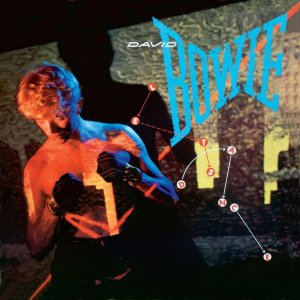 EMI America, released 14 April 1983
 Of the all-time-great drummers who emerged in the ’80s – a list that would have to include Manu Katche, Dave Weckl, Dennis Chambers and Trilok Gurtu – you could argue that Omar Hakim was the main man. His hip, funky, vibrant style typified all that was good about the music of the era.



 movingtheriver.com