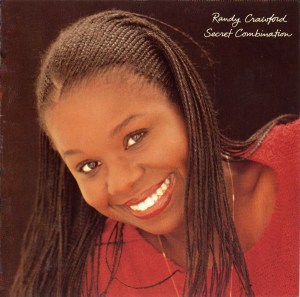
In 1981, when jazz, pop and R’n’B were fusing to create a very agreeable kind of high-gloss yacht rock, us Brits went for the WEA gang (David Sanborn, Patrice Rushen, Manhattan Transfer, George Benson, Al Jarreau et al) in a big way.
But Georgia-born Randy Crawford probably sold the most records. In her own modest way, she was one of the great stars of 1980s soul, and her beautiful, flawless voice and joyful presence added a lot to the decade.
‘Street Life’, her collaboration with The Crusaders, went top 5 in autumn 1979, and movingtheriver will never forget first hearing her version of ‘Imagine’ on the radio a few years later.
But Secret Combination, released 45 years ago this month and produced by Tommy LiPuma, was Crawford’s biggest album success here, hitting #2 (though weirdly it didn’t cross over in the US, only making #12 on the Billboard R’n’B chart).
This writer’s dad didn’t buy much 1980s soul but Secret Combination was around all the time early in the decade. It seemed so lush and exotic, sheer luxury soul/pop with gorgeous arrangements/electric piano by Leon Pendarvis and the slinky Abe Laboriel/Jeff Porcaro/Dean Parks/Lenny Castro rhythm section.
But listening back today, it does seem overshadowed by three all-time classics (‘You Might Need Somebody’, ‘Rainy Night In Georgia’, ‘Rio De Janeiro Blue’), with too much filler and too many ballads (a clue is the huge amount of credited songwriters).
But even the most humdrum tracks are enlivened by striking bits of arrangement, like the superb strings/flutes and unexpected post-chorus key change on ‘That’s How Heartaches Are Made’ (also listen out for a rare Porcaro flub – wonder why they left it in…).
Crawford was a star of the 1981 Montreux Jazz Festival, documented on the classic Casino Lights live album, and then she toured the UK in early 1982 including a famous televised gig at the Theatre Royal Drury Lane (sadly currently missing from BBC iPlayer).
Her next two albums – Windsong and Nightline – repeated the Secret Combination formula (with similar issues in the songwriting department) and were fairly successful in the UK too, and then she had that freak (self-penned) massive hit ‘Almaz’ in 1986.
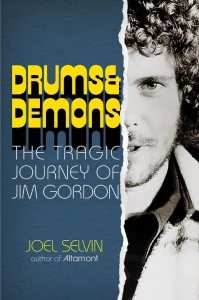
Pop quiz: what do the following tracks have in common? Beach Boys’ ‘Good Vibrations’, Derek and the Dominos’ ‘Layla’, Steely Dan’s ‘Rikki Don’t Lose That Number’, Frank Zappa’s ‘Apostrophe’, Minnie Riperton’s ‘Inside My Love’, The Incredible Bongo Band’s ‘Apache’ and Carly Simon’s ‘You’re So Vain’.
They all feature drummer/percussionist Jim Gordon, who between the mid-‘60s and mid-‘70s was probably the most recorded and celebrated studio drummer in the world (declaring an interest here too: movingtheriver basically learned how to play drums by copying Gordon’s playing on Steely’s Pretzel Logic).
He brought pinpoint time-keeping, smooth grooves, razor-sharp song sense and technical mastery to the kit, but was also a deeply troubled individual whose schizophrenia – exacerbated by drug and alcohol issues – ultimately led to a tragic and shocking crime. He was incarcerated for murdering his mother on 3 June 1983, and died in prison during 2023.
But how did this good-looking, popular, all-American kid end this way? As experienced rock journo and author of ‘Altamont’, ‘Monterey Pop’ and ‘Sly and the Family Stone: The Oral History’, Joel Selvin is perfectly placed to tell this dark tale, and he honours both Gordon’s victim(s) and the drummer himself with a sober, unflinching account.
With the counsel of Gordon’s friends, family members and associates, Slavin outlines his meteoric rise to the top of the music business, the first half of the book featuring entertaining, detailed accounts of work with various Beatles, the Everly Brothers, Joe Cocker, Frank Zappa, Brian Wilson, Jackson Browne and Carly Simon. (The section on Gordon’s tenure with Eric Clapton is particularly illuminating and shocking – the guitarist does not come out well at all…)
The second half descends into very murky waters. There’s shocking evidence of Gordon’s physical abuse of singer/songwriter Rita Coolidge (and his and Clapton’s refusal to give her songwriter credit for ‘Layla’) and great detail about his struggles to get help for schizophrenia and addiction problems.
In fact ‘Drums & Demons’ is an absolute eye-opener with regard to schizophrenia, the voices inside Gordon’s head (tragically, mostly his mother’s) apparently denying him food, amongst other things, and moderating all aspects of his lifestyle.
And if Selvin never quite technically explains why Gordon was such a drum hero (Jim Keltner, Andy Newmark and Jeff Porcaro were huge fans/advocates), the passion for his subject and respect for the drum community as a whole come through loud and clear.
‘Drums & Demons’ joins Bill Milkowski’s ‘Jaco’ and Rob Chapman’s ‘Syd Barrett: A Very Irregular Head’ in the upper echelons of books about gifted, unwell musicians finding themselves alone when the circus has left town. It also perfectly outlines the boom and bust of the studio session scene.
Although at times a difficult, disturbing read, it’s gripping and slickly-written, and highly recommended.
When you think of 1980s pop music, which drum sounds come to mind?
They’re probably pretty loud and the infamous gated snare possibly looms large: ‘Let’s Dance’, ‘In The Air Tonight’, ‘Hey Mickey’, ‘Uptown Girl’, ‘A Town Called Malice’, ‘Born In The USA’.
But there’s a whole alternative world of 1980s hits where the drummer played very quietly, with brushes rather than sticks. Stuff like Buddy Holly’s ‘Raining In My Heart’, The Beatles’ ‘When I’m 64’ and Lou Reed’s ‘Walk On The Wild Side’ probably laid down the gauntlet, but you can’t imagine any producers or focus groups demanding that the drummer play brushes to create a hit (and when was the last hit that featured brushes?).
Here are some classic 1980s singles that somehow got away with it (all chart placings from the UK).
10. Echo & the Bunnymen: ‘Killing Moon’
Powered by Pete de Freitas’s subtle and unexpected brushwork, the classic single got all the way to #9 in early 1984.
9. George Michael: ‘Kissing A Fool’
The seventh and final single from Faith, written back in 1984, reached the top 20 and was initially mooted to be the title track of that 1987 album. Session player Ian Thomas, soon to play with everyone from Robbie Williams to Scott Walker, overdubbed some brushes on the snare after first recording a pass with sticks.
8. The Cure: ‘The Lovecats’
This stand-alone single was also the band’s first top ten hit, peaking at #7 in October 1983. Drummer Andy Anderson began his career with Hawkwind’s Nik Turner and Steve Hillage, then ended up on Robert Smith and Steve Severin’s The Glove side project. He found himself recording this song in Paris then joined the band for a year, playing on 1984 album The Top and playing brushes on another B-side, ‘Speak My Language’. He then toured with Iggy Pop throughout 1987. Anderson died in 2019.
7. Alison Moyet: ‘That Ole Devil Called Love’
This stand-alone single reached a heady #2 during March 1985, produced by ’18 With A Bullet’ singer Pete Wingfield. But who’s the drummer? Answers on a postcard please.
6. Robert Wyatt: ‘Shipbuilding’
Not much is known about drummer Martin Hughes, but he did a nice job on this classic single which reached #35 in April 1983.
5. Chris Rea: ‘Driving Home For Christmas’
Written in 1978, it was originally intended for Van Morrison. Rea first recorded it as a B-side to the 1986 single ‘Hello Friend’, with drummer Dave Mattacks playing almost with a country feel. But the most famous version features on Rea’s 1988 New Light Through Old Windows compilation album with drums by Martin Ditcham, best known for his percussion work.
4. Chris Isaak: ‘Wicked Game’
Kenney Dale Johnson played some very subtle drums on this classic single released in July 1989, going on to become a huge sleeper hit in the US and UK.
3. Elton John: ‘Blue Eyes’
Recorded at AIR Studios in Montserrat, this touching ballad was the lead-off single from John’s Jump Up! album, reaching the top ten in 1982. The very slow 6/8 groove was beautifully marshalled by Jeff Porcaro. See also Toto’s ‘Don’t Stop Me Now’ and Ray Charles’ ‘Still Crazy After All These Years’ for some classic Porcaro brushwork.
2. Fairground Attraction: ‘Perfect’
It reached UK #1 in May 1988 – is it the only chart-topper to feature a drummer playing brushes? London jazzer Roy Dodds did the honours on this.
1. Rain Tree Crow: ‘Blackwater’
Cheating a bit here. It wasn’t released until 1991 but was recorded in December 1989 at Chateau Miraval in Southern France. It was the reformed Japan’s only single, reaching #62. In the band biography ‘Cries And Whispers’, drummer Steve Jansen makes the remarkable claim that his whole performance was pieced together using samples. Weird…
Any other 1980s hits that feature brushes? Drop us a line below.
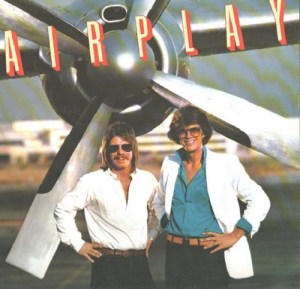
Say ‘fusion’ to most music fans and it’s the classic early-‘70s jazz/rock of Miles or The Mahavishnu Orchestra that would probably come to mind.
But a decade later another kind of fusion was taking place, a mainly-American sound that drew on influences from R’n’B, jazz, pop, funk, AOR and MOR.
Yacht Rock was upwardly-mobile, multi-layered, widescreen, moneyed, beautifully-produced music, usually involving a string section, Fender Rhodes and/or horns, generally West Coast-originated, driven by the lush production style of the time and effortless brilliance of the musicians involved.
The Yacht House Band generally centred around a few key members of the band Toto: Jeff Porcaro on drums, David Paich on keyboards and Steve Lukather on guitar. You’d also have to factor in guitarists Jay Graydon, Lee Ritenour and Larry Carlton, keyboard players David Foster, Michael Omartian, Robbie Buchanan and Greg Phillinganes, drummers John ‘JR’ Robinson and Steve Gadd, bassists Louis Johnson and Abe Laboriel, percussionist Paulinho Da Costa, horn arranger Jerry Hey, string arranger Johnny Mandel and a whole host more.
These were the greatest ‘rock’ musicians in the world, brought up on The Beatles, Beach Boys, Hendrix, Miles, McLaughlin and James Brown, making up their parts on the spot with the studio meter running, embellishing the basic chord changes with their own unique feel and voicings and bringing to life jazz-influenced compositions by some of the great songwriters of that or any other era: Kenny Loggins, Burt Bacharach, Michael McDonald, Carole Bayer Sager, Rod Temperton, Fagen and Becker, David Foster, Jay Graydon et al.
All kinds of singers got sucked into this vibe, dialling down the operatics and dialling up the melody and behind-the-beat phrasing: George Benson, Patti Labelle, Michael Franks, Randy Crawford, The Four Tops, Michael Jackson, Manhattan Transfer, Leon Ware, Lionel Richie.
Even a few Brits got onboard – George Michael’s ‘Careless Whisper’ and Cliff Richard’s ‘Carrie’ are great stabs at the sound.
With a few notable exceptions, it was all over by 1984. The technology started running the show. Everyone was looking for the right drum machine, budgets were slashed and the great session musicians moved into production and songwriting. Stanley Clarke/George Duke’s heroic ‘Atlanta’ was somewhat of a finale for this kind of music; it’s quite affecting in a way.
Of course this stuff is way too laidback for some, the sound of clock-watching session musicians producing aural cotton candy, too close to muzak for comfort. It would be totally understandable to reach for the Throbbing Gristle after a while. But if it’s your bag you can really get lost in it – it’s pure comfort music, and brilliant for headphones.
Here’s a selection of the finest 1980s Yacht Rock artefacts for your listening pleasure. Ahoy there mateys, and wishing you a smooth sail.
It was goodbye to Basildon and Braintree, hello to Bel Air and Beverly Hills.
Kershaw had always threatened the big-budget, US-recorded album, and in 1989 he delivered it. And, to no-one’s great surprise, it was an excellent collection, one of the best ‘Brit-Goes-Stateside’ pop records of the decade.
Recorded over four months in LA, The Works – released 30 years ago this week – saw Kershaw put together some of his best material to date with two top-notch drummers (Vinnie Colaiuta and Jeff Porcaro) in tow, the great Jerry Hey on horn arrangements, Paulinho Da Costa on percussion, ex-Zappa keyboardist Peter Wolf producing and backing vocals from Michael McDonald and Siedah Garrett.
And yet it was also the straw that broke the camel’s back, underselling drastically, cutting ties with MCA Records and leading Kershaw into decades of back-room writing and producing. But maybe he was happier that way (and he did write the enormo-hit ‘The One And Only’ for Chesney Hawkes a few years later).
But from August to December 1987, Kershaw was hob-nobbing with Rod Temperton, Quincy Jones and Toto, flirting with the kinds of scenes that he had mocked on ‘Radio Musicola’ and ‘City Of Angels’. Reportedly he didn’t get on very well with Wolf, virtually re-recording the entire album back in London alongside Australian producer Julian Mendelsohn (Level 42’s World Machine).
But hey, the hard work paid off. There’s nothing else in the ’80s pop canon quite like the techno/pop/fusion flash of ‘Don’t Ask Me’, ‘Wounded Knee’ and ‘Cowboys and Indians’, and Colaiuta’s extraordinary drum performances had players rushing to their practice rooms. In particular, the former track has that fill… If only Vinnie had played on a few of the other machine-driven tracks. And Kershaw coaxes Porcaro to play a classic half-time shuffle on the superb ‘Walkabout’.
It’s still hard to believe that ‘One Step Ahead’ and ‘Elisabeth’s Eyes’ (very influenced by Scritti) completely flopped as singles (though I would have gone with ‘Lady On The Phone’). They still sound great today, with brilliant choruses and nice grooves. ‘Burning At Both Ends’ may be the standout of the album, with its Middle-Eastern-flavoured hook and superb Siedah Garrett backup vox. Slightly less impressive are ‘Take My Place’ and ‘One World’; both could be Climie Fisher or Robbie Nevil.
The album disappeared without trace both in the UK and US. As far as solo pop success was concerned, the game was up. But it’s a shame that the kind of intelligent, superbly-played pop heard on The Works was unsustainable by the end of the ‘80s. As Nik so succinctly puts it on his website:
“Los Angeles for four months with producer Peter Wolf. Get to record with some legends: Jerry Hey, Larry Williams, Paulinho Da Costa, Jeff Porcaro, Vinnie Colaiuta. House in Nichols Canyon; Rented Mustang; Earthquake. Constantly bumping heads with Peter. End up finishing album myself in London. More record company upheaval; another MD; another A&R person. Not looking good. European tour with Elton John. Goodbye MCA. Time for a break...”
Here it is: Madonna’s artistic breakthrough, the first album of hers that was really geared to the CD-buying audience, and a fresh start after the distinctly dodgy years of 1987 and 1988.
Like A Prayer (weird title: didn’t someone in the Warner Bros. marketing department say, ‘Hey, it’s a bit similar to Like A Virgin‘?) was released 30 years ago this week.
It topped the US and UK charts, spawned six hit singles and has sold around 15 million copies to date.
It was a revelation on a few levels – Madonna’s singing voice had more range and richness. Her lyrics were getting personal. There were two songs about her marriage to Sean Penn, and three zoning in on family relationships.
She co-wrote and co-produced all the songs; by all accounts she knew exactly what she wanted and was present at all the tracking sessions, finding ever new ways of inspiring the performances she was after (see below).
She hooked up with co-producer/co-songwriter Pat Leonard to great effect. It was a classic double act – she provided melodies, street smarts and lyrics, he provided the classically-trained piano and arrangement skills. The result was her Sgt Pepper’s, a varied, ambitious, major work.
But how does Like A Prayer stack up these days? Here’s a track-by-track rundown of arguably Madonna’s greatest album.
‘Like A Prayer’: The lead-off single, a US and UK #1, once described by Rolling Stone magazine as ‘as close to art as pop music gets’. It was also highly controversial in its allusions to oral sex and an apparent conflation between religious/sexual ecstasy, not to mention the envelope-pushing video.
‘Express Yourself’: Great feminist party pop/funk tune co-written with Stephen Bray, inspired by Sly And The Family Stone and anchored by JR Robinson’s crisp grooving. Shep Pettibone’s single remix subsequently usurped the album version. David Fincher’s video cost a reported $5 million.
‘Love Song’: This duet with Prince was a curious meeting of pop giants, musically in the Lovesexy/Batman mould but lacking a great hook, though apparently they did initially write it eye to eye, Prince programming drums and Madonna donning a synth. Tapes were then worked on individually and sent back and forth between LA and Minneapolis. Whilst interesting, it’s nearer to a Prince B-side than something really memorable.
‘Til Death Do Us Part’: A coruscating portrait of her marriage breakup to Sean Penn, made even more poignant by its sprightly Scritti-style pop. Bassist Guy Pratt was the recipient of Madonna’s unique production style on this track. ‘What did you think of that?’ she asked him after one take. ‘Um… I think it was OK…’ was his response. ‘Did it make your d*ck hard?’ Madonna shot back!
‘Promise To Try’: A powerful ballad, featuring an uncharacteristically emotional vocal. According to Madonna, it was written completely spontaneously: ‘He (Leonard) just sat down and started playing, and I started singing.’
‘Cherish’: More Scritti-inspired pop fun, all major chords and twinkling synths, looking at happier times with Sean. Jeff Porcaro’s trademark shuffle is his one and only drumming appearance on the album.
‘Dear Jessie’: An inspired take on late-’60s psychedelia, almost like a children’s lullaby. A very cool, unexpected track.
‘Oh Father’: A gorgeous ballad in 6/4 with music by Leonard and lyrics by Madonna, written in a tiny rehearsal studio in the garment district of New York when Madonna was in ‘a very, very dark place’ during her tenure in the David Mamet play ‘Speed-the-Plow’. Madonna: ‘”Oh Father” is not just me dealing with my father. It’s me dealing with all the authority figures in my life’. The song’s intro alone can put a big lump in this writer’s throat. Madonna apparently coaxed the band through the song, telling bassist Pratt and drummer Jonathan Moffett in no uncertain terms where not to play. Apart from string section and guitar overdubs, they got it on the second full take, including Madonna’s live vocal. During the sessions, Moffett also asked her when he should come in. ‘You come in when I do this’, she replied, lifting up her blouse!
‘Keep It Together’: Another Stephen Bray co-write, this Go-Go-inspired ode to family togetherness, featuring some brilliant Randy Jackson bass, became a mainstay of her ‘Blond Ambition’ tour. If you play it loud you can also really hear the superb backing vocals of her regular live duo Niki Haris and Donna DeLory.
‘Pray For Spanish Eyes’: The point where Like A Prayer starts to run out of steam. A corny, soft-rock version compendium of Spanish clichés, complete with castanets and weary acoustic guitar, and a weirdly unmemorable melody.
‘Act Of Contrition’: And here’s the other stinker. Madonna free-associates awkwardly over a reversed version of the title track, with Prince’s backwards guitar track also ladled on to no great consequence.
Further reading: ‘Songwriters On Songwriting’ by Paul Zollo
Could it be that the ’80s spawned more ‘drum-based’ songs than any other music decade?
New recording technology meant that the drums had never been louder and prouder in the mix. Stylistically, influences from ’70s fusion and classic soul/R’n’B were still fresh and relevant.
Hip-hop and go-go brought a funky swing. Metal and punk added a unashamedly aggressive dimension. And let’s not underestimate The Collins Effect: Phil brought a lot of attention to the drums.
Here are 28 notable grooves from the decade. My definition: pieces of music where the drum parts are intrinsic to the architecture of the piece. Eagle-eyed readers will spot lots of shuffles here – fast ones, slow ones, medium ones, half-times. Bernard Purdie and John Bonham’s influences apparently loomed large…
28. Joan Armatrading: ‘The Key’ (1983) Drummer: JERRY MAROTTA
27. Cameo: ‘She’s Strange’ (1984) Drummer: LARRY BLACKMON
26. Japan: ‘Still Life In Mobile Homes’ (1981) Drummer: STEVE JANSEN
25. Lee Ritenour: ‘Road Runner’ (1982) Drummer: HARVEY MASON
How does he find time to fill out the groove with all those 32nd notes on the hi-hats? With such solidity? Only the master knows.
24. Steve Khan: ‘Uncle Roy’ (1983) Drummer: STEVE JORDAN
Apparently Khan’s instruction to Jordan was to play an ‘Elvin Jones type of thing’ on this half-time shuffle. He completely ignored the guitarist and came up with an outrageous groove , turning the snare off, smacking the crash/ride cymbal as if his life depended on it and adding some tasty footwork for good measure.
23. U2: ‘Sunday Bloody Sunday’ (1983) Drummer: LARRY MULLEN JR.
Love or hate the track, it was the beat of choice for air-drumming schoolkids across the land (at least it was at my school). You can even hum it.
22. TONY WILLIAMS: ‘Sister Cheryl’ (1985)
In essence, Tony ‘straightens’ out the jazz swing ride cymbal/hi-hat pattern, adds some snare backbeats and then dials in almost a Latin feel. It’s a revolutionary beat on an album full of them (Foreign Intrigue).
21. Weather Report: ‘Volcano For Hire’ (1982) Drummer: PETER ERSKINE
Maybe Joe Zawinul came up with this pattern, but it’s superbly played and certainly one of the most striking and powerful in WR’s illustrious drumming legacy.
20. INXS: ‘What You Need’ Drummer: JON FARRISS
Fleet-of-foot dancefloor funk/rock smasher from one of the best groove drummers of the ’80s.
19. China Crisis: ‘In Northern Skies’ (1989) Drummer: KEVIN WILKINSON
A different kind of half-time shuffle, with crossed hands, neat ghost notes and a nice tom-tom emphasis on the ‘3’.
18. Prince: ‘Dance On’ (1988) Drummer: SHEILA E
Sheila unleashes her ’70s fusion chops on this curio from Lovesexy. Quite unlike anything else in her or the Purple One’s discography.
17. Joni Mitchell: ‘Be Cool’ (1982) Drummer: JOHN GUERIN
LA session legend Guerin ended his 10-year sideman gig with Joni playing this inspired take on a medium jazz swing. Holding two brushes, one marks out time with triplets and other ‘brushes’ in quintessential jazz style.
16. Level 42: ‘It’s Over’ (1987) Drummer: PHIL GOULD
One of many crafty, original ’80s grooves from the Isle Of Wight sticksman, this one was achieved by playing 16th notes on the hi-hat with both the foot and the hands. On a good system you can really hear the subtleties.
15. Jeff Beck: ‘Space Boogie’ (1980) Drummer: SIMON PHILLIPS
Of course it takes its cue from Billy Cobham’s famous ‘Quadrant 4’ double-bass-plus-ghost-notes shuffle, but Phillips’s beat is in 7/4 and bloody hard to pull off. He maintains the intensity remarkably well and throws in some killer fills.
14. Jeff Beck: ‘Star Cycle’ (1980) Drummer: JAN HAMMER
Another classic from Jeff’s There And Back album, the composer/keyboard player takes the sticks himself for a classic, still-funky, displaced-snare groove. Hammer has always been a superb drummer – check out his First Seven Days album for more evidence.
13. Weather Report: ‘Molasses Run’ (1983) Drummer: OMAR HAKIM
Lots to choose from in Omar’s prestigious ’80s discography but this one sticks out. His beats have a sense of structure befitting a natural songwriter/arranger (which, of course, he is too).
12. Joni Mitchell: ‘My Secret Place’ (1988) Drummer: MANU KATCHE
Kind of a variation on number 8, this cyclical groove almost IS the song.
11. Bennie Wallace: ‘All Night Dance’ (1985) Drummer: BERNARD PURDIE
Another classic from the shuffle master on this track from the saxophonist’s hard-to-find Blue Note album Twilight Time, this managed to incorporate both of Purdie’s trademarks: ghost notes and hi-hat barks.
10. Adam & The Ants: ‘Ant Rap’ (1981) Drummers: CHRIS HUGHES, TERRY LEE MIALL
There are two or three grooves on this and they’re all corkers. The song led to an outbreak of desktop hand-drumming by schoolkids in the early ’80s, driving teachers to distraction.
9. Grace Jones: ‘Warm Leatherette’ (1980) Drummer: SLY DUNBAR
Trust Sly to come up with two such original takes on the shuffle.
8. Paul Simon: ’50 Ways To Leave Your Lover’ (1982) Drummer: STEVE GADD
What a treat to hear and see this classic live version from Central Park, possibly with some tiny deviations from the recorded take. Much imitated, never surpassed. And check out Gadd’s superb extended coda.
7. John Scofield: ‘Blue Matter’ (1986) Drummer: DENNIS CHAMBERS
One of the great beatmakers of the ’80s or any other decade, the Baltimore master busted loose with two classic go-go grooves for the price of one.
6. Van Halen: ‘Hot For Teacher’ (1984) Drummer: ALEX VAN HALEN
Modern Drummer magazine said it best: ‘The song begins with Alex pounding out a fairly complex floor-tom pattern featuring the ever-popular hairta rudiment, played over shuffling double bass drums. Add some tom hits and then a driving ride cymbal, and you’ve got one of the most classic drum tracks of the ’80s—or any decade.’
5. The Police: ‘Murder By Numbers’ (1983) Drummer: STEWART COPELAND
Yet another ingenious variation on the medium jazz swing, Copeland turns 4/4 into 6/8, adds some weird emphases and catches the ear every time.
4. King Crimson: ‘Frame By Frame’ (1981) Drummer: BILL BRUFORD
At Robert Fripp’s prompting, Bruford plays the lion’s share of the beat on one of his Octobans, not the hi-hat. From the classic album Discipline.
3. Chuck Brown & The Soul Searchers: ‘We Need Some Money’ (1985) Drummer: RICKY WELLMAN
The right foot that floored the drumming world.
2. Toto: ‘Rosanna’ (1982) Drummer: JEFF PORCARO
Impossible to leave out this half-time classic. Porcaro fused The Purdie Shuffle with a Bo Diddley beat to create a monster.
1. John Martyn: ‘Pascanel (Get Back Home)’ (1981) Drummer: PHIL COLLINS
Phil came up with numerous cool variations on Harvey Mason’s ‘Chameleon’ beat in the ’80s, but this is my favourite. It’s basically ‘Chameleon’ but with a very groovy triplet figure inserted between the hi-hats and snare. From the classic Glorious Foolalbum.
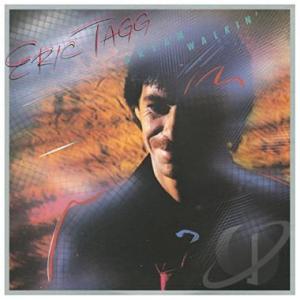
Probably best known for his work with guitarist Lee Ritenour on the Rit and Rit 2 albums, Tagg possesses a soulful, velvety voice, pitched somewhere between Stevie Wonder and Donald Fagen (some have also drawn comparisons to David Pack and George Michael).
To these ears, his compositions also sound superior to a lot of similar material. He released three solo albums in the ’70s/early ’80s, the best of which (Dreamwalkin’) was produced by Ritenour.
Tagg was born in Chicago but spent his formative musical years in Holland singing with Dutch bands Rainbow Train and Beehive. Gravitating to LA in the mid-’70s, he embarked on a solo career and joined Ritenour for their successful double act.
But over the last 30 years he’s slowly retreated from public life, mainly devoting himself to writing Christian songs from his Texas base. Let’s go back to that golden time for West Coast music, the early ’80s, and focus on six of Eric’s best from the era.
Warning: the following tunes may contain soothing harmonies, cool chords, smooth melodies…
6. ‘Marianne (I Was Only Joking)’ (1982)
Subtle, mellow composition with a superb vocal, from Tagg’s ‘Dreamwalkin‘ solo LP.
5. ‘Is It You?’ (1981)
Released as a single under Lee Ritenour’s name in April 1981, it reached the dizzy heights of #15 on the US pop charts. A classic slow jam with one of the best middle-eights of the ’80s.
4. ‘Promises Promises’ (1982)
Funky bit of pop/soul with Bill Champlin on back-ups. Wouldn’t have sounded out of place on The Dude or even Thriller.
3. ‘Mr Briefcase’ (1981)
A classic drum performance from Jeff Porcaro on another single from Rit.
2. ‘Marzipan’ (1982)
This gorgeous slice of pop/soul, with a winning set of chord changes in the verse, was recently covered (pretty well) by US neo-soul crooner Eric Roberson.
1. ‘Just Another Dream’ (1982)
Another richly-chorded delight with more than a hint of ‘My Cherie Amour’ about it. Sublime keyboard work from David Foster, a sax solo from Tom Scott and a great arrangement.
Inspiration was easy to come by; the early ‘80s delivered brilliant drum-centric hits like The Jam’s ‘A Town Called Malice’, Bow Wow Wow’s ‘I Want Candy’, Adam and the Ants’ ‘Ant Rap’ and Phil Collins’ ‘In The Air Tonight’. Drums were sounding like DRUMS again – the days of dead-sounding kits seemed (almost) over.
Exciting fusions were everywhere: avant-gardists combined free-funk and free-jazz; art-popsters brought ideas from minimalism, Africa and the Far East; jazz/rock masters of the 1970s moved into production and arrangement; dub and World music thrived.
Post-punks fused rock and reggae; the ‘Young Lions’ embraced and sometimes extended the drum worlds of Art Blakey, Philly Joe Jones and Max Roach; funk and R’n’B got precise and spicy; metal players took double-kick playing to extraordinary extremes. And of course there was also the sudden development of technology: some drummers shrunk from the challenge, others rose to it.
So, to celebrate movingtheriver.com’s third anniversary, here’s a personal selection of the decade’s finest drum performances, in no particular order.
46. Loose Tubes: Loose Tubes (1985) Drummer: Nic France
France marshals this big band through jazz/rock, Latin and African vibes with a sparky, lively studio sound, something like a Brit version of Dave Weckl.
45. Lee Ritenour: Earth Run (1986) Drummer: Carlos Vega
The album may be the beginning of Ritenour’s descent into bona fide smooth jazz but the best tracks feature brilliant playing by the underrated Vega.
44. Prefab Sprout: Protest Songs (1989) Drummer: Neil Conti
Conti’s classy playing provided a subtle, always stylish counterpoint to Paddy McAloon’s pithy, complex songs about poverty, childhood and the social mores of the early ’80s.
43. Robert Plant: Shaken ‘N’ Stirred (1985) Drummer: Richie Hayward
Little Feat were a tough act to follow from a drumming point of view but Hayward settled into the 1980s with this superb performance, showcasing a bright, expressive style on Plant’s quirky, Peter Gabriel-influenced art-rock.
42. Frank Gambale: Live! (1989) Drummer: Joey Heredia
LA-based Heredia combined slinky funk/fusion, Police-style rock/reggae and Latin grooves to spectacular effect on this classic live album. His sparring with a terrifyingly unhinged Gambale on ‘Credit Reference Blues’ and ‘Touch Of Brazil’ is essential listening.
41. Al Jarreau: L Is For Lover (1986) Drummer: Steve Ferrone
The ex-Average White Band ex-pat Brit takes us on a journey through the art of groove on this nearly-forgotten Nile Rodgers-produced minor classic. He gives James Gadson a run for his money with his killer 16th-note hi-hats, crisp snare and nifty footwork.
40. Eddie Gomez: Mezgo (1986) Drummer: Steve Gadd
On this Japan-only album (which is still waiting for a CD release), Gadd was at his most expressive, navigating the bebop flavours of ‘Puccini’s Walk’ and quirky fusion stylings of ‘Me Two’ with great aplomb. And no one else could have played a samba the way Gadd does on ‘Caribbean Morning’.
39. Miles Davis: We Want Miles! (1982) Drummer: Al Foster
In combination with bassist Marcus Miller, the underrated Foster laid down some highly original rhythm section work on Miles’s only live album of the 1980s. Listening to his ‘bouncing ball’ dynamics on ‘Kix’, you’d swear that the very fabric of time was being messed with.
38. Rockin’ Jimmy & The Brothers Of The Night (1982) Drummer: Chuck DeWalt
Here’s one out of left-field from a Tulsa bar band who I first heard yonks ago on Alexis Korner’s fabled early-’80s Radio One blues show. DeWalt had a Ringo-esque knack for coming up with simple but memorable drum parts, with a great feel and nice use of space.
37. Living Colour: Vivid (1988) Drummer: Will Calhoun
Calhoun’s whip-crack snare and natty ride cymbal/hi-hat combinations knocked a lot of drummers’ socks off in 1988. He was just as comfortable with the half-time, Bonhamesque rock of ‘Cult Of Personality’ as he was with the funk and go-go grooves of ‘Funny Vibe’ and ‘Broken Hearts’.
36. INXS: Kick (1987) Drummer: Jon Farriss
If it’s funky pop you’re after, Farriss is your man. His dynamics, ghost notes and weird accents on ‘New Sensation’ and ‘Need You Tonight’ are worth the price of admission, while ‘Never Tear Us Apart’ sounds a bit like Ringo if he had a few more chops.
35. Hiram Bullock: Give It What U Got (1987) Drummer: Charley Drayton
NYC-native Drayton delivered a cutting snare, subtle cymbal work and exciting two-hi-hat grooves on this impeccable slice of late-’80s funk/fusion. No one else – not even his buddy Steve Jordan – could have done a better job.
34. Sting: …Nothing Like The Sun (1987) Drummer: Manu Katche
Overproduced? It’s a moot point when the playing’s as delicious as this. His independence between kick drum and hi-hat on ‘Rock Steady’ is fairly mind-boggling, while no one apart from Copeland and Colaiuta has perfected the high-speed reggae groove with such aplomb.
33. Narada Michael Walden: Divine Emotions (1988)
The ’70s fusion hero turned ’80s producer extraordinaire still had time to deliver this forgotten classic featuring tasty, tight, propulsive grooves and a return to blazing jazz/rock on the hysterical closer ‘We Still Have A Dream’.
32. John Scofield: Electric Outlet (1984) Drummer: Steve Jordan
The NYC tyro had already turned heads with the Blues Brothers and ‘Saturday Night Live’ bands but this album perfectly captured his more expansive side. Two hi-hats, crisp snare, gorgeous K Zildjians and some spry kick drum work, particularly on ‘Pick Hits’, ‘Big Break’ and the title track.
31. Nik Kershaw: The Works (1989) Drummer: Vinnie Colaiuta
We knew that Vinnie could unleash some jaw-dropping chops, but this album perfectly demonstrates his groove side. Check out how he navigates the 6/4 time of ‘Cowboys And Indians’ and hot-wires mid-tempo rocker ‘Wounded Knee’. And then there’s THAT fill in ‘Don’t Ask Me’…
30. Billy Cobham: Powerplay (1986)
An album that finally captured what it’s like to stand a few feet away from the master, featuring a lovely acoustic drum sound, shorn of any studio effects. There was incredible clarity to his playing even if the material wasn’t quite as strong as on the previous year’s album Warning.
29. Japan: Oil On Canvas (1983) Drummer: Steve Jansen
Jansen was always looking at new ways to play a 4/4 beat and came up with five or six classics on this live retrospective. ‘Visions Of China’, ‘Canton’ and ‘Sons Of Pioneers’ still sound like unique drum statements in the history of recorded music.
28. Stanley Clarke: Rocks, Pebbles And Sand (1980) Drummer: Simon Phillips
Beautifully recorded by Dennis Mackay, his drums have never sounded better or bigger. From the driving rock’n’roll of ‘Danger Street’ to highly technical prog-fusion of ‘She Thought I Was Stanley Clarke’, the London maestro delivered a superb performance throughout.
27. Bireli Lagrene: Foreign Affairs (1988) Drummer: Dennis Chambers
Many to choose from in Dennis’s repertoire but I’ve plumped for this hard-to-find fusion classic. With a fatter snare than usual, he anchors the band beautifully on Weather Report-style jams ‘Josef’ and ‘Senegal’ and unleashes a trademark 6/8 groove and killer solo on the title track.
26. Van Halen: 1984 Drummer: Alex Van Halen
If he had only ever recorded the freaky double-bass workout ‘Hot For Teacher’, his place in the drum pantheon would be assured. But this breakthrough album also featured a host of other treats, not least ‘Jump’, plus the most identifiable snare drum in hard rock.
25. John Abercrombie: Getting There (1987) Drummer: Peter Erskine
Difficult to choose one from possibly the jazz drummer of the decade but I’ve gone for this mid-career classic. Erskine busts out his Elvin Jones chops on ‘Furs On Ice’ and rocks hard on the epic title track which almost approaches avant-rock.
24. John Martyn: Glorious Fool (1981) Drummer: Phil Collins
A fascinating companion piece to Phil’s Face Value and Genesis’s Duke during arguably his best period of drumming. He brings out lots of lovely ghost-noted grooves in the Little Feat style, some brutal rock on ‘Amsterdam’ and even spicy fusion on ‘Didn’t Do That’.
23. China Crisis: Diary Of A Hollow Horse (1989) Drummer: Kevin Wilkinson
Wilkinson was (he sadly took his own life in 1999) kind of an English Jeff Porcaro, a tasty groovemeister who always played exactly what was right for the song – with lots of elan. Check out the subtleties of ‘St Saviour’s Square’, ‘In Northern Skies’ and ‘Red Letter Day’.
22. Toto IV (1982) Drummer: Jeff Porcaro
It would almost be sacrilege not to include this. Some of the greatest rock drumming in history, with feel, finesse, style, a rich, full sound and lovely time-feel (though he famously claimed ‘my time sucks’!).
21. Pat Metheny: 80/81 (1981) Drummer: Jack DeJohnette
DeJohnette was always a class act on ECM’s ’80s projects and he sounds sparkling on this double album. But I include it mainly for his performance on ‘Every Day I Thank You’, goosing saxophonist Michael Brecker into one of his finest sax solos on record.
20. Stanley Clarke Band: Find Out! (1985) Drummer: Rayford Griffin
There are definitely shades of Cobham in his exuberant style (and he set himself up left-handed on a right-handed kit like Billy) but also grooves aplenty on this underrated album. His lopsided funk on ‘Born In The USA’ is balanced out by chops-fests ‘Campo Americano’ and ‘My Life’. This guy has technique to burn but also does what’s right for the song.
They are of course the pop/jazz masters whose harmonic and lyrical sophistication have had the critics purring since 1972.
They’ve also often been described as ‘influential’. But is that true? Does any other music sound remotely like Steely Dan?
In the 1980s, the term ‘Steely Dan-influenced’ was bandied about particularly in relation to British bands of the ‘sophisti-pop’ variety: The Big Dish, Style Council, Everything But The Girl, Curiosity Killed The Cat, Hue & Cry, Sade, Swing Out Sister, even Prefab Sprout and Deacon Blue.
More recently, it’s The High Llamas, Athlete, Mark Ronson, Toy Matinee, The Norwegian Fords, Mayer Hawthorne, State Cows and even Pharrell.
None really sound like Steely. Sure, they show off some slick grooves, jazzy solos and nice chord changes. But they also generally scrimp on the hooks, harmonic sophistication, production values and soulful, distinctive vocals which characterise Becker and Fagen’s oeuvre.
However, there are random tracks over the years – by artists one wouldn’t necessarily have predicted – that have seemingly ‘cracked the code’. Here’s a smattering, not all necessarily from the ’80s. More suggestions welcome if you can think of any.
10. Billy Joel: ‘Zanzibar’
Lush production (Phil Ramone), cool chords, great arrangements, biting Fagenesque vocals, quirky lyrics and nice guitar from Steely regular Steve Khan. Also featuring two kick-ass solos by trumpet/flugelhorn legend Freddie Hubbard.
9.The Stepkids: ‘The Lottery’
Underrated American psych-soulsters deliver jazzy weirdness, a nice groove, oblique lyrics, cool chords, memorable hooks and a distinctly Fagen-like croon from vocalist Tim Walsh.
8.The Tubes: ‘Attack Of The 50ft Woman’
The bridge and backing vocals always remind me of Steely, and I’m sure the boys would also appreciate the ‘50s B-movie lyric concept and ‘easy listening’ middle eight.
7.Danny Wilson: ‘Lorraine Parade’
The Dundonians’ superb debut is full of Dan-ish moments but this (sorry about the sound quality) could almost be an outtake from Katy Lied. See also the B-side ‘Monkey’s Shiny Day’.
6. Frank Gambale: ‘Faster Than An Arrow’
The Aussie guitar master swapped the chops-based fusion for this slick, lushly-chorded, Steely-style shuffle. Gambale sings, plays piano and guitar and also wrote the excellent horn chart.
5.Maxus: ‘Nobody’s Business’
The AOR supergroup came up with this standout in 1981. Jay Gruska’s vocals and Robbie Buchanan’s keys particularly stand out as Steely-like.
4. Cliff Richard: ‘Carrie’
More than a hint of ‘Don’t Take Me Alive’ in the chorus, lovely production and Cliff does a neat Fagen impression throughout. And hey, isn’t that ‘Mike’ McDonald on backup? (No. Ed.) Apparently co-songwriter Terry Britten was a huge Steely fan (as Cliff told this writer during a live radio interview circa 2008).
3.Boz Scaggs: ‘We’re Waiting’
Steely regulars Michael Omartian, Victor Feldman, Jeff Porcaro and Chuck Findley contribute to this enigmatic cracker which could almost be an Aja outtake. The oblique lyrics possibly relate to Hollywood in some way. See also Boz’s ‘Gimme The Goods’ which sounds suspiciously like ‘Kid Charlemagne’.
2. Tina Turner: ‘Private Dancer’
This Mark Knopfler-written gem pulls off the Steely tricks of simple melody/elaborate harmony and a risqué lyrical theme. There’s also more than a touch of ‘FM’ in the intro riff. Knopfler was always a big Dan fan and of course guested on ‘Time Out Of Mind’. See also Dire Straits’ ‘Private Investigations’ whose outro bears more than a passing resemblance to ‘The Royal Scam’.
1.Christopher Cross: ‘I Really Don’t Know Anymore’
From one of the biggest-selling debut albums in US chart history, this features the production/piano skills of Omartian, backing vocals from McDonald and a majestic guitar solo by Dan legend Larry Carlton. See also ‘Minstrel Gigolo’ from the same album.

 In 1981, when jazz, pop and R’n’B were fusing to create a very agreeable kind of high-gloss yacht rock, us Brits went for the WEA gang (David Sanborn, Patrice Rushen, Manhattan Transfer, George Benson, Al Jarreau et al) in a big way.
 Pop quiz: what do the following tracks have in common? Beach Boys’ ‘Good Vibrations’, Derek and the Dominos’ ‘Layla’, Steely Dan’s ‘Rikki Don’t Lose That Number’, Frank Zappa’s ‘Apostrophe’, Minnie Riperton’s ‘Inside My Love’, The Incredible Bongo Band’s ‘Apache’ and Carly Simon’s ‘You’re So Vain’.
 Say ‘fusion’ to most music fans and it’s the classic early-‘70s jazz/rock of Miles or The Mahavishnu Orchestra that would probably come to mind.


 Probably best known for his work with guitarist Lee Ritenour on the Rit and Rit 2 albums, Tagg possesses a soulful, velvety voice, pitched somewhere between Stevie Wonder and Donald Fagen (some have also drawn comparisons to David Pack and George Michael).
 They are of course the pop/jazz masters whose harmonic and lyrical sophistication have had the critics purring since 1972.
  movingtheriver.com