
 It’s one of the great mysteries of pop culture, up there with who buys The Wire magazine and who goes to Snow Patrol gigs – why wasn’t comedian/actor John Sessions a bigger star (born John Marshall, he sadly died in 2020)?
Only very occasionally these days do you see something on TV that stops time. It happened to movingtheriver recently watching Sessions performing a monologue in the style of James Joyce on classic late-‘80s improv show ‘Whose Line Is It Anyway’ (RIP the brilliant Tony Slattery, by the way).
He also did a note-perfect impression of theatre director Peter Brook in the programme around the same time. No wonder he was one of David Brent’s comedy heroes.
It was a reminder of that period when comedy could be intelligent, educated, even ‘literary’, dammit. You weren’t terminally terrified of talking down to your audience. Performers like Sessions, Stephen Fry, Hugh Laurie, Steve Martin and Robin Williams raised you up, made you want to learn more about their references, generally punched up rather than punched down.
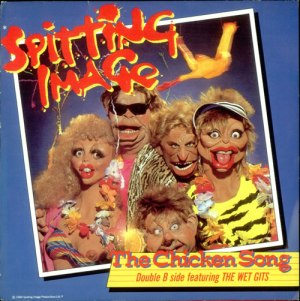
He was born in 1953 to Scottish parents, and studied English Lit at university, then attended RADA and had early TV successes with ‘Porterhouse Blue’, ‘Spitting Image’ and Simon Gray’s ‘Common Pursuit’ play alongside Fry and Rik Mayall. Then, from my perspective as a casual fan, he seemed (a bit like Slattery) to slightly disappear.
He went to the States to co-star in a few dodgy American rom-coms such as ‘Sweet Revenge’ with Rosanna Arquette and Carrie Fisher, as well as a few movies directed by his RADA schoolmate Kenneth Branagh, but you wonder if he could have broken through to a much bigger audience – could he have played Chaplin in Richard Attenborough’s 1993 biopic? Could he have come to Woody Allen’s attention?
There were also some one-man shows on TV, ‘Stella Street’ in the mid-1990s (surely he does the best-ever impression of Al Pacino), and a whole host of guest appearances including ‘Outnumbered’. It’s always a pleasure to dip into Sessionsland.
 In the ’80s, there was no shortage of pop coverage to inspire conversation in the playground, whether it was Boy George’s first appearance on ‘Top Of The Pops’, Michael Jackson’s ‘Thriller’ video or Matt Bianco being verbally abused live on children’s TV.
  movingtheriver.com