 In these crazy times, it’s always good to hear music that ‘washes away the dust of everyday life’, to paraphrase Art Blakey.
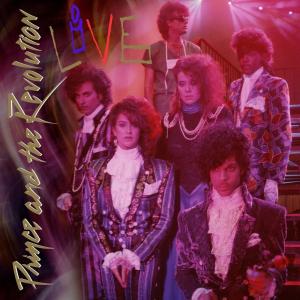
Rewatching Prince’s 30 March 1985 Syracuse gig this week did just that. The brilliant 1984-1989 period of albums is one thing but it’s somewhat of a shock to be reminded of how fantastic the live shows were during this time, and musically streets ahead of pretty much everything 2026 can offer.
Even though by all accounts he was already tired of the Purple Rain tour by early 1985 (during the tour he had put the finishing touches to The Family’s self-titled debut, Sheila E’s Romance 1600 and Around The World In A Day), he gave nothing less than his all.
The Syracuse gig was reportedly attended by 49,000 people but wasn’t sold out. A heavily edited 78-minute cut is currently on iPlayer for UK viewers, commemorating 10 years since Prince’s death, with a lot of the weirder sexual stuff edited out.
Joni Mitchell once said Prince was not a pioneer but instead a brilliant assimilator, and here we see James Brown, Little Richard, Sly Stone, Jimi Hendrix and Carlos Santana rolled into one. The show is built for pure entertainment. There are so many notable moments:
– Prince taking off his Telecaster and chucking it 25 yards into the arms of a roadie during ‘Computer Blue’
– Wendy and Prince’s twin rhythm guitars on ‘1999’ (Wendy acquits herself superbly throughout, often playing Prince’s recorded solos note for note with some aplomb. According to Prince’s engineer Susan Rogers, he acted as a guitar mentor to Wendy, his frequent advice to her being: ‘Learn to solo, learn to solo…’)
– Mark Brown’s excellent bass throughout, absurdly trebly and showing serious funk chops
– The use of silence. This band could turn on a dime. In fact, Prince insisted on it!
– The small stage, and how close the band members are to each other. Check out the remarkable shot where the camera zooms out to show the entirety of the stadium, with a tiny stage in the background
– Bobby Z’s control of the Linn Drum machine: some serious pressure there. There’s a particularly quick sleight of hand between ‘Let’s Go Crazy’ and ‘Delirious’. But he plays ‘live’ on ‘Take Me With U’ and ‘Purple Rain’ with the Linn trigger on his snare. You’d hope Lisa Coleman and Dr Fink were wearing ear plugs during this gig though – he NEVER lays off the cymbals
– The ‘Baby I’m A Star’ finale featuring Sheila E, Eric Leeds et al is pretty remarkable, complete with audience members doing the conga around the stage
The Purple Rain tour ended on 7 April 1985. He began work on Parade just ten days later! He sat down at the drums and recorded the first four songs at Sunset Sound on 17 April 1985. Then Around The World In A Day was released on 22 April. This guy was always thinking two albums ahead.
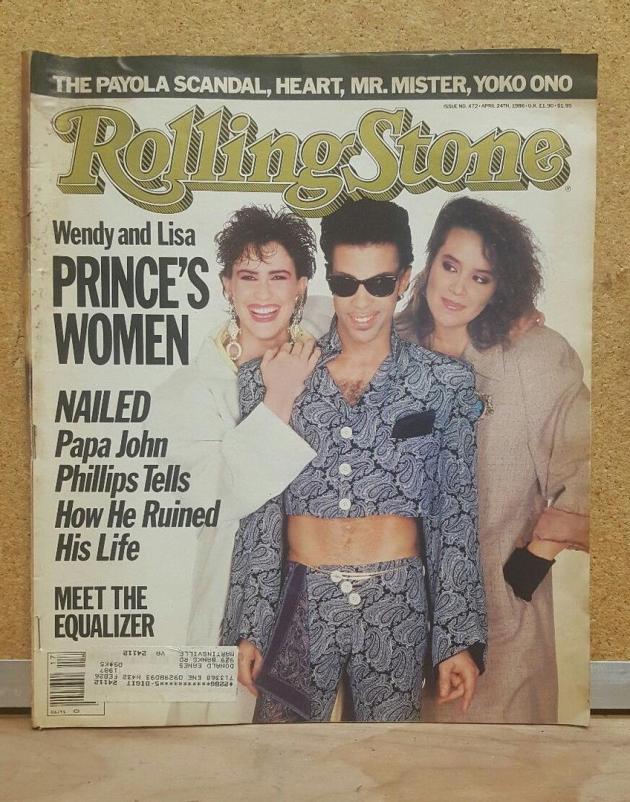
Rolling Stone from 40 years ago this week, the 26 April 1986 edition
But reportedly it was a big shock to Prince’s management and band that he refused to tour Purple Rain outside of the USA. They wanted to milk it for all it was worth, but Prince was moving on.
And his bandmates were less than thrilled to receive a tour bonus of just $10,000 each (meanwhile Prince’s accountants informed Sheila, who had acted as the opening act on the tour, that she owed Warner Bros. $1 million…).
Perhaps the most remarkable thing of all though is that Prince would go on to make better music during the 1980s, and arguably do better live shows too…