
 We all know good movie swearing when we hear it.
From Richard E Grant’s gloriously-English ‘Monty, you terrible c*nt!’ (‘Withnail & I’) to Harvey Keitel’s epochal ‘You rat-f*ck!’ (‘Bad Lieutenant’), modern cinema was made for despicable language.
Your mum told you that cursing was a sure sign of a limited vocabulary, but try telling that to writer/directors David Mamet, John Hughes, Bruce Robinson and Oliver Stone, who consistently broke out the memorable humdingers.
To celebrate the cinematic four-letter word, we proudly present some of the best swear scenes of the 1980s, in no particular order. A few rules: no cartoons, because…I hate them. And it has to be dialogue, not a stand-up routine or monologue. And yes, a few of these movies were released in 1990 but surely shot in ’89 (and I need them in the list…).
WARNING: this piece is rated X, not suitable for minors or those easily offended…
7. ‘Casualties Of War’ (1989)
We start with the only ‘serious’ item in the list, a well-placed profanity during one of the more poetic dialogue scenes in this underrated David Rabe-penned, Brian De Palma-directed drama.
6. ‘Planes, Trains And Automobiles’ (1987)
Steve Martin’s ’70s stand-up act wasn’t particularly known for the four-letter tirades, but he had his moments (including the memorable skit on The Steve Martin Brothers album that begins: ‘Well, good evening, motherf*ckers…’). But this endlessly-watchable John Hughes-penned blowout had even Steve’s hardcore fans hiding behind the sofa. The scene is also notable for featuring the brilliant Edie McLurg.
5. ‘Scarface’ (1983)
De Palma’s drama is surely the doyenne of swear movies, so we won’t pick out a single Oliver Stone-penned humdinger but rather itemise the entire film’s swearing thus. Thank you, YouTube (according to an urban myth, the band Blink-182 were named after the amount of f-words Pacino drops in ‘Scarface’).
4. ‘Withnail & I’ (1987)
Impossible to leave out Bruce Robinson’s sweary masterpiece, a killer in almost every line of dialogue. But every profanity in the film earns its keep, none more so than this panic-stricken classic.
3. ‘This Is Spinal Tap’ (1983)
Apparently performed very much under the influence of the notorious Troggs Tapes, this beautifully conjured the annoyances of a duff recording session. I particularly like David St Hubbins’ (Michael McKean) moment of total exasperation, when words begin to fail him. Here’s the full uncut version:
2. ‘The Godfather Part 3’ (1990)
Pacino again, and why not? When Shouty Al gets going, there’s always a good chance he’s going to deliver some quality swearing. In this unsung sequel, he remains fairly buttoned up until basically going ballistic…
1. ‘Goodfellas’ (1990)
Tommy (Joe Pesci) meets ‘old friend’ Billy Batts (Frank Vincent) who is none too complimentary about the days when Tommy used to shine shoes…
BONUS! Let’s extend our look at great swear scenes into the 1990s. Because we can…
4. Bad Lieutenant (1992)
The Bad Lieutenant (Harvey Keitel) is driving his two young sons to school.
Boy 1: Aunt Wendy hogged the bathroom… All morning we couldn’t get in… So how are we supposed to be on time?
The BL: Hey, listen to me. I’m the boss, not Aunt Wendy. When it’s your turn to use the bathroom, tell Aunt Wendy to get the f*ck out. What are you, men or mice? If she’s hogging the bathroom, call me, I’ll throw her the f*ck out…
3. One False Move (1992)
Pluto (Michael Beach) and Ray (Billy Bob Thornton) drive along having a row about the money they’ve stolen, which Ray may have given to his girlfriend…
Pluto: Where’s my f*cking money, Ray?
Ray: I said I ain’t got any money. She took the f*cking money, all right? I’ve got 56 f*cking dollars, she took it, now let me go.
Pluto: You’re a pussy-whipped motherf*cker!
Ray: Don’t throw that sh*t at me, man. They’re your f*cking buddies back there that don’t have any money. That good friend of yours, Billy.
Pluto: I don’t know what the f*ck I’m doing with you, man! You’re a pussy-whipped, sorry-assed motherf*cker!
2. Glengarry Glen Ross (1992)
Blake (Alec Baldwin) turns up at a real estate office and makes his presence felt amongst the salesmen…
1. Fargo (1996)
Carl (Steve Buscemi) wants to leave a car park but the Attendant (Don William Skahill) isn’t making it easy…
 My dad was a huge Alfred Hitchcock fan.
  A major trope of ’80s or ’80s-set movies, novels and plays was the insane or morally unsound banker, broker or trader.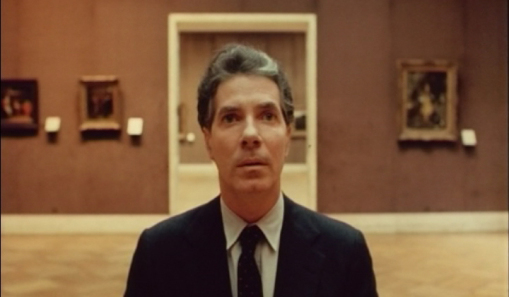
 It might seem a bit churlish to say about a guy who’s co-written/directed seven movies and received a Best Supporting Actor Oscar nomination (for ‘Broadcast News’) that it never quite happened for Albert Brooks the way it did for some of his contemporaries.

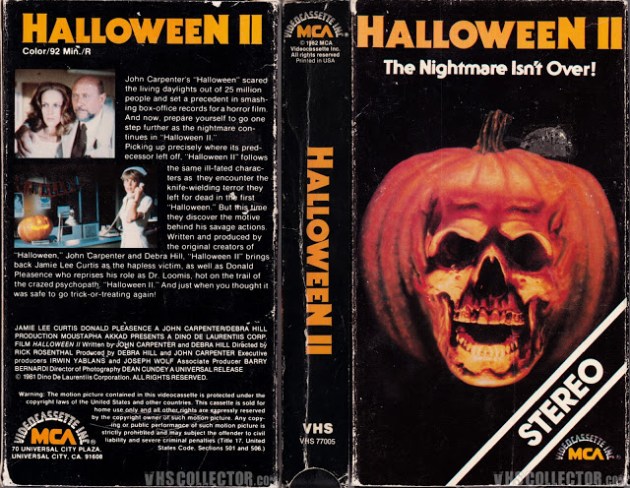
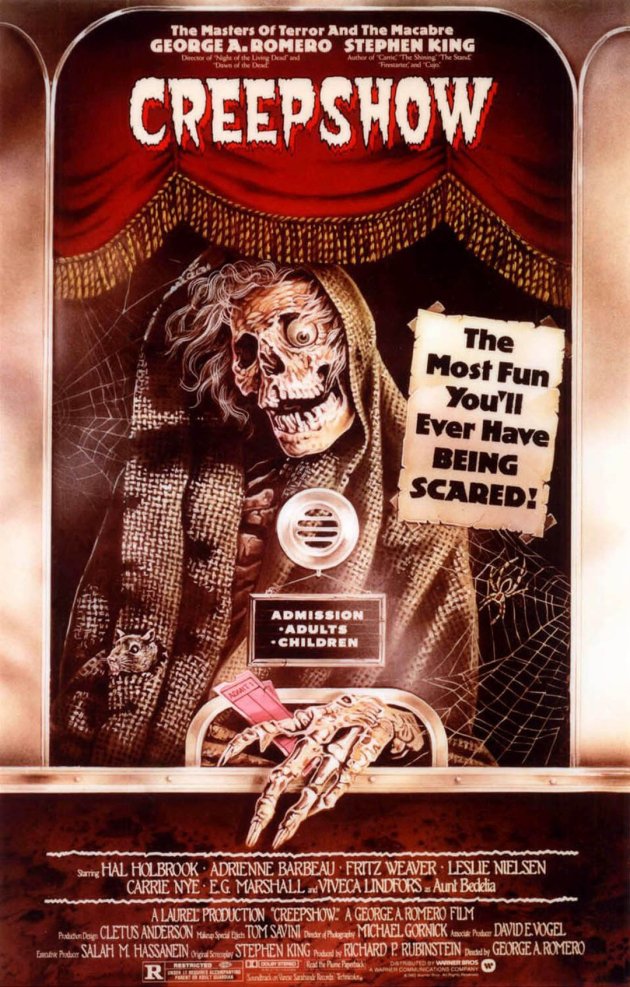
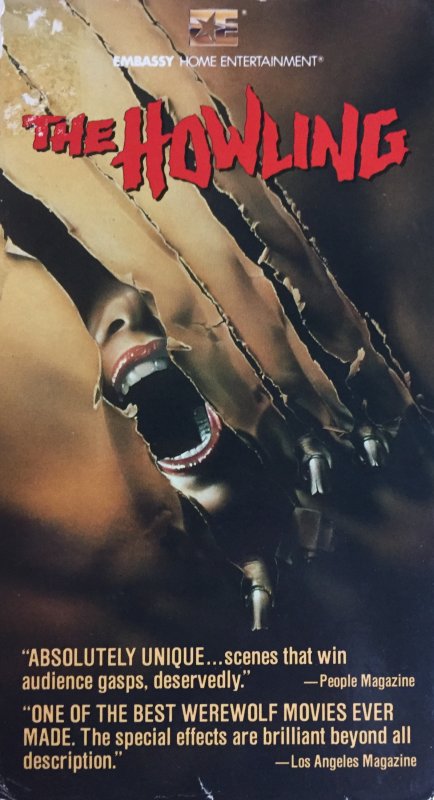
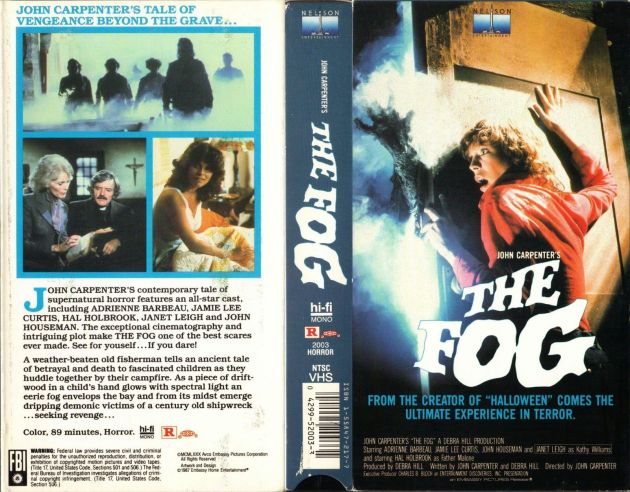
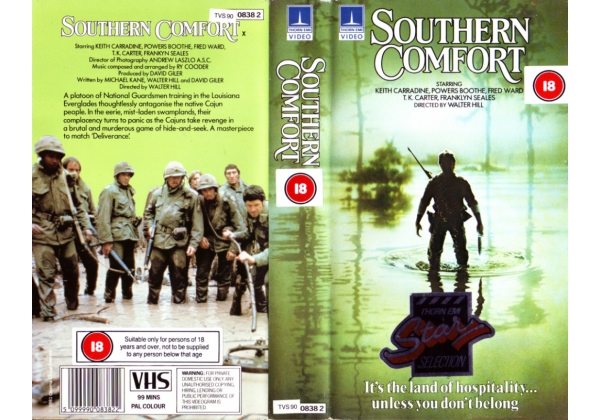
 Back in those early days of VHS fever at the beginning of the ’80s, my parents would occasionally invite friends round to watch a scary movie.



 It doesn’t happen very often, but occasionally a documentary comes along that makes you question everything, puts a new slant on life and death, the whole shebang.
  No, ‘Yellow Submarine’ doesn’t really have anything to do with the ’80s (or does it? See below…), but this website wouldn’t exist without the Fabs.
  It seems a bit weird to describe ‘Seems Like Old Times’ as a cult movie when everything about it screams ‘Hollywood’: co-stars Chevy Chase and Goldie Hawn, screenwriter Neil Simon, ‘Mary Tyler Moore’/’Cosby Show’ director Jay Sandrich, Columbia Pictures (this was one of the first movies they made after the David Begelman embezzlement scandal).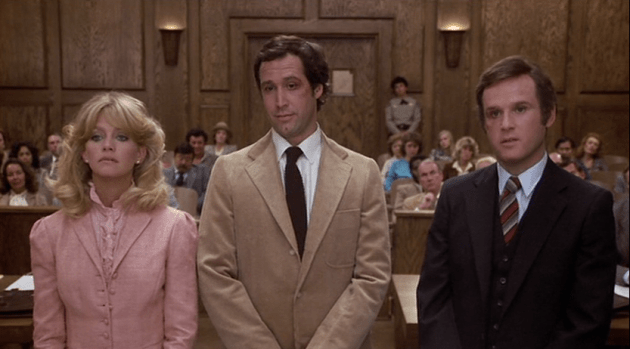
 Watching ‘Halloween 2’ (1981) on the big screen the other night brought back lots of memories.
  In the ’70s and ’80s, documentarian Nick Broomfield’s focus was mainly on societal concerns – the British class system (‘Proud To Be British’), urban decay (‘Behind The Rent Strike’), juvenile delinquency (‘Tattooed Tears’) the US Army (‘Soldier Girls’), legalised prostitution (‘Chicken Ranch’). All are superb and worth seeking out.
 movingtheriver.com