You Terrible Cult: Seven Reasons Why ‘Withnail And I’ Has Enduring Appeal

Which films do you revisit every couple of years?

I never tire of ‘Sideways’, ‘Diner’, ‘Duel’, ‘Career Girls’, ‘Tape’, ‘This Is Spinal Tap’, ‘The Long Goodbye’, ‘The Apartment’, ‘Eyes Wide Shut’, and a few others too.

But ‘Withnail’, released 30 years ago this week, should probably go right at the top of that list. I first saw it around 1988 when my dad rented the video. I think he was a vague acquaintance of the movie’s writer/director Bruce Robinson at the time and had an inkling that it would float my boat.

How right he was. I was immediately smitten, drawn in by the superb swearing, anti-establishment mood, hilariously down-at-heel, self-important protagonists and low-key ending.

By the early ’90s, there was an outbreak of Withnails all over Britain – pasty, unshaven, rather insolent youths mooching around in leather overcoats and muttering about ‘wanting the finest wines available to humanity’…

Not a big hit on its original release, ‘Withnail’ has nonetheless become a classic cult movie, inspiring many devotees and even a notorious drinking game. But why has it endured? Here are seven reasons why it doesn’t seem to date as the years go by (swearing and spoiler alerts…).

7. No ‘Crap Bits’
Actor Ralph Brown – who plays Danny the Dealer – analysed ‘Withnail”s appeal thus. Almost every movie has a clunky change of pace/tone or a dodgy character beat – not this one, though Bruce Robinson has pinpointed an uncertain moment in the final reel when Danny embarks on his ‘They’re selling hippy wigs in Woolworths’ speech.

6. Lack Of Plot
Let’s face it, nothing much happens in ‘Withnail’. There are no ‘life lessons’. But that’s its main strength. Two out-of-work actors try to go on holiday, one of their uncles comes to stay, falls in love with and attempts to seduce the other one, then they come home. It’s two fingers up to the screenwriting template taught in most film schools. But, framed another way, it’s actually the classic plot: put your hero(es) up a tree, throw rocks at him and get him down, though poor Withnail seems destined to stay up the tree forever…

5. Endlessly Quotable Dialogue
This is probably the key to the film’s longevity. ‘Fork it!’… ‘Monty, you terrible c**t!’… ‘We’ve gone on holiday by mistake’, ‘I demand to have some booze!’ ‘My thumbs have gone weird…’ etc. But as the years go by, it’s the throwaway lines that now make me chuckle the most: ‘Out-vibe it’, ‘Jesus, you’re covered in sh*t,’ ‘I’ve waited an aeon for assistance’, ‘Drugs banned in sport…’ ‘We’ll be found dead in here next spring…’ etc., etc…

4. Memorable Minor Characters
The film is chock-a-block with them. There’s Ralph Brown’s classic turn, Noel Johnson’s delightfully-plastered pub landlord, Llewellyn Rees’s tea-shop proprietor, Michael Elphick’s psychotic poacher and Anthony Strong’s manic traffic cop. All perform as if their lives depended on it. Late, great casting director Mary Selway must take a lot of credit.

3. Outstanding Lead Performances
Has there ever been a better movie drunk than Richard E Grant? (How about Ray Milland in ‘The Lost Weekend’? Ed.) It’s a superb breakout performance, especially coming from a famous teetotaler. In a far less showy role, Paul McGann does a fine job of tethering the movie (Kenneth Branagh and Michael Maloney were apparently sniffing around his part, so to speak), even if his accent flies around a bit. And of course Richard Griffiths as Uncle Monty is a delight.

2. Lack Of A Remake/Sequel
Please, please, please may it stay this way. Hollywood: stay away from ‘Withnail’. ‘Edgy’ young Brit writer/directors: leave well alone. You can just imagine the horror of a remake – lots of touchy-feely moments about ‘friendship’, and Withnail going on a ‘journey’… Just NO.

1. Good Grammar
It’s not called ‘Withnail And Me’… (Enough reasons already… – Ed.)

Classic Rock’s 100 Greatest Albums Of The ’80s: First Impressions

_57I’m a sucker for a ‘best albums of the 1980s’ list.

Classic Rock magazine have just published their ‘real’ top 100, focusing on under-the-radar records by both well-established and cult artists.

The countdown features a fair few critics’ favourites – Peter Gabriel 3, Lou Reed’s New York, David Bowie’s Scary Monsters (And Super Creeps), Talking Heads’ Remain In Light, The Police’s Synchronicity, Roxy Music’s Avalon. No major surprises there.

Then there are the slightly left-field choices that would possibly scrape into my top 100 too (Living Colour’s Vivid, PiL’s Album, Brian Wilson’s self-titled debut, Billy Idol’s Rebel Yell, Genesis’s Duke, Neil Young’s Freedom, Robbie Robertson’s self-titled debut, David Lee Roth’s Skyscraper).

There are the slightly puzzling choices from established artists – Tom Waits’ Frank’s Wild Years, Yes’s Drama, Red Hot Chili Peppers’ Uplift Mofo Party Plan, Rolling Stones’ Tattoo You, Van Halen’s Women And Children First, Faith No More’s Introduce Yourself and Aerosmith’s Done With Mirrors.

And then there’s a whole raft of albums by artists I’ve long meant to check out. So I gave them a spin. I didn’t make much headway with Dead Kennedys, Billy Squier, Zodiac Mindwarp, John Mellencamp, Gun, Sea Hags, Green On Red, Queensryche, Georgia Satellites, Enuff Z’Nuff and King’s X, but here’s some stuff that did make an impression – very surprisingly, in most cases:

#86: Steve Perry’s Street Talk (1985)
I’ve always respected the Journey man’s voice but was unaware of his solo career until I heard this super-catchy single (whose video even throws in a bit of ‘Spinal Tap’ self-parody).

#84: Michael Bolton’s Everybody’s Crazy (1985)
The sound of Michael McDonald fronting ZZ Top.

#55: Gary Moore’s Corridors Of Power (1984)
Included for the extraordinary first two minutes: scary chops from a guitar great.

#38: Pink Floyd’s The Final Cut (1983)
You’d be hard pressed to call it a great voice and the casual racism grates but Waters emotes effectively on this beautifully-produced, evocative album opener.

#3: Def Leppard’s High ‘N’ Dry (1981)
One for audiophiles everywhere: producer ‘Mutt’ Lange works his magic again.

I won’t give away the number one…but you can check out the full top 100 albums here.

The Wackiest Guitar Solos Of The 1980s

eddie_van_halen_at_the_new_haven_coliseum_2Pop music has always featured its fair share of brilliantly ‘inappropriate’ instrumental solos, from the (uncredited) honking tenor break on Frankie Lymon & The Teenagers’ ‘Why Do Fools Fall In Love’ and Tony Peluso’s brilliant fuzz-guitar feature on The Carpenters’ ‘Goodbye To Love’ to Jeff ‘Skunk’ Baxter’s unreconstructed rampage through Donna Summer’s ‘Hot Stuff’.

And then of course there are the jazz solos that occasionally enhance ‘pop’ material – Sonny Rollins lighting up the Stones’ ‘Waiting On A Friend’, Ronnie Ross’s memorable break on Lou Reed’s ‘Walk On The Wild Side’ and Phil Woods/Wayne Shorter/Pete Christlieb’s tasty leads on some of Steely Dan’s best work.

In the ’80s, there was a lot of demand for the wacky solo, often thrown in to pep up some pretty light/fairly inconsequential material. One in particular really set the benchmark for the decade, and it’s naturally where we start our rundown…

6. Michael Jackson – ‘Beat It’ (Solo by Eddie Van Halen)
Eddie’s shock-and-awe break was a perfect distillation of all his trademark techniques: lightning-fast picking, close-interval tapping routines, whammy-bar divebombs and even a cheeky Jimi Hendrix ‘All Along The Watchtower’ homage.

5. Michael Sembello – ‘Maniac’ (1983)
Sembello, hitherto best known as a very able jazz/R’n’B session player for the likes of Stevie Wonder, David Sanborn and George Duke, unleashed this overblown post-‘Beat It’ solo (starting at 2:50) which sounds like it belongs to a completely different song. Maybe he should have stuck to the jazz and R’n’B…

4. Bros – ‘Chocolate Box’ (Solo by Paul Gendler)
Gendler was a respected UK-based session player (and member of Modern Romance!) before getting the call from the Goss boys. He tosses off a Francis Dunnery-esque, way-too-good-for-the-charts solo at 2:40 on this wafer-thin but very catchy single.

3. Europe – ‘The Final Countdown’ (Solo by John Norum)
This song is obviously crying out for a widdly guitar solo, but Norum’s brilliant Malmsteen-esque playing goes beyond the call of duty even by the standards of a mid-’80s hair-metal band.

2. Al Jarreau – ‘Telepathy’ (Solo by Nile Rodgers)
Nicely set up by Steve Ferrone’s wrongfooting half-bar drum fill, Nile plays all the notes he knows and a few more too in this seriously weird but rather brilliant harmonized/double-tracked break (starting at 2:05) from the L Is For Lover album.

1. Allan Holdsworth – ‘In The Mystery’ (1985)
Jazz/rock guitar genius Holdsworth inexplicably saved some of his wackiest solos for vocal-based, ‘commercial’ material. This one is fairly astonishing and, arguably, totally wasted on the song… (Bassist Jimmy Johnson also deserves a mention for his frenetic, Red-Bull-sponsored performance.)

Winter Music

winter-music

Richmond Park, UK, winter 2016

So the evenings draw in, Christmas clogs up the telly and hygge is all over the Sunday supplements. You contemplate your navel and your age and comment on how quickly the year has gone by…again.

And if you listen to music a lot, chances are you’ll probably notice how your tastes change as the season eases from autumn to winter. This may have happened when winter turned to spring too, but something a bit more introspective might be called for when your football team starts sliding and the heavy stuff comes out of storage and into your wardrobe.

Here are nine ’80s tracks that instantly say winter to me, calling at Ambient, Eerie and Lovelorn:

9. Pat Metheny Group: ‘Distance’ (1987)
This is the only track from the Still Life (Talking) album I can listen to these days. Lyle Mays’ composition sticks out like a sore thumb on that 1987 collection, a challenging, spooky piece with a touch of serialism that suggests Very Bad Things… A soundtrack for a movie that never was.

8. Roxy Music: ‘To Turn You On’ (1982)
Ferry’s tale of long-distance love for someone very unsuitable. He’s in London, she’s in New York. She possibly has some kind of ‘ailment’ – drug addiction? Mental health problem? (You may be reading too much into this… Ed). He is hopelessly and rather tragically smitten. One of Ferry’s finest ballads with a crackerjack band (Paul Carrack, Rick Marotta, Alan Spenner, Neil Hubbard) bringing it to life.

7. David Sylvian: ‘Pop Song’ (1989)
I could have chosen any amount of Sylvo tracks but have settled on this stand-alone 12” single, his cheeky response to Virgin Records’ request for one more solo hit (which never materialised). It paints a fairly bleak portrait of late-’80s Britain as a nation of clock-watching factory workers numbed by banal pop music, featuring microtonal synths, Steve Jansen’s clever drum layering and close-interval piano work from the late John Taylor.

6. U2: ‘4th Of July’ (1984)
Ostensibly a duet for bass (though surely that’s not Adam Clayton?) and ‘infinite guitar’ (The Edge put through Eno’s processing systems), U2’s first bash at pure ambience was a minor masterpiece. To say one doesn’t miss Bono’s voice would be an understatement. As far as I know, the band have never attempted anything similar since – more’s the pity.

5. The Sundays: ‘Skin & Bones’ (1990, recorded in 1989)
The unforgettable lead-off track from the classic Reading, Writing & Arithmetic album. The Cocteau Twins meets The Smiths? You betcha.

4. Mark Isham: ‘In The Blue Distance’ (1983)
Isham’s plaintive trumpet and atmospheric keyboard playing create a sombre yet uplifting winter masterpiece.

3. Joni Mitchell: ‘Chinese Cafe (Unchained Melody)’ (1982)
I first heard this nostalgic classic in late 1983 and it was my first exposure to Joni’s music. I’ve never forgotten it and will forever associate it with this time of year.

2. Love & Money: ‘Inflammable’ (1988)
One of many great torch songs penned by James Grant, featuring on the late-’80s classic Strange Kind Of Love. ‘I go looking for what I want in the wrong places’ – there’s a winter mantra for urban singletons right there…

1. Lloyd Cole: ‘Are You Ready To Be Heartbroken?’ (1985)
Let’s face it, winter can also be haunted by ghosts of failed romances, stolen moments and disastrous Christmas flings. This classic covers all that stuff very efficiently with a nice line in black humour.

Check out the playlist on Spotify (a few tracks not currently available).

10 More Great Album Covers Of The 1980s

Check out the first instalment here in case you missed it.


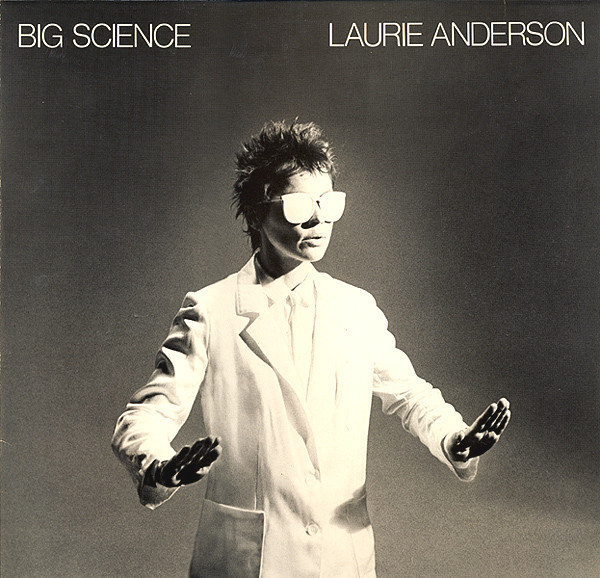
10. Laurie Anderson: Big Science (1981)

Cover concept by Laurie Anderson, design by Cindy Brown, art direction by Perry Oberman

9. XTC: Oranges & Lemons (1989)

Artwork and Design by Andy Partridge, Dave Dragon and Ken Ansell

orangeslemons

8. David Sylvian/Holger Czukay: Plight And Premonition (1988)

Photography and Design by Yuka Fujii

david_sylvian_holger_czukay_plight_premonition

7. Anderson Bruford Wakeman Howe (1989)

Artwork by Roger Dean

anderson-bruford-wakeman-howe-52a0c65177b8a

6. Grace Jones: Nightclubbing (1981)

Photography and Design by Jean-Paul Goude

grace-jones240214-jpg

5. Debbie Harry: KooKoo (1981)

Photography by Brian Aris, Design by HR Giger

debbie

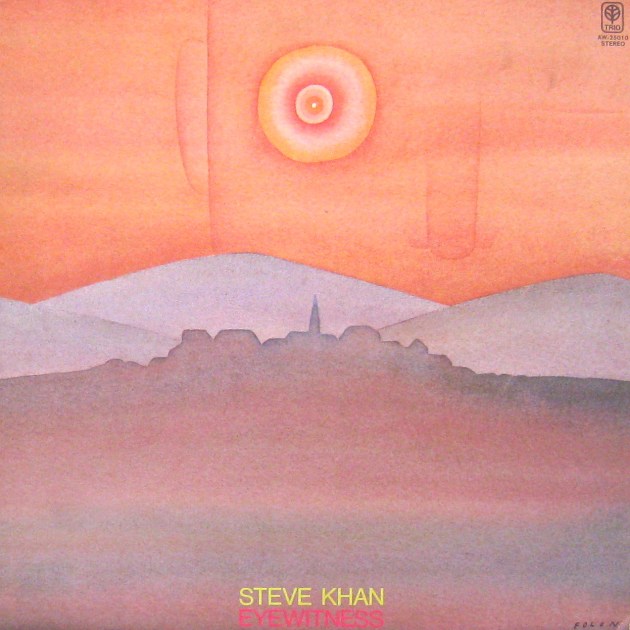
4. Steve Khan: Eyewitness (1981)

Artwork by Jean-Michel Folon

khan

3. King Crimson: Three Of A Perfect Pair (1984)

Artwork by Peter Willis

mi0000023563

2. Donald Fagen: The Nightfly (1982)

Photography by James Hamilton

fagen

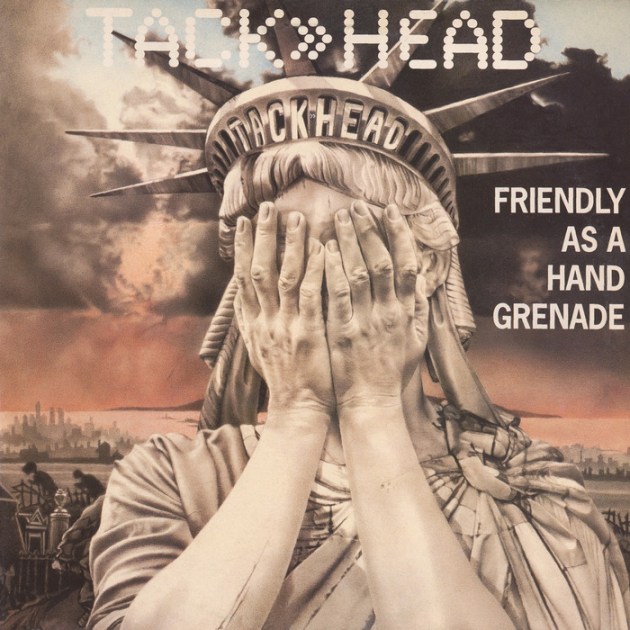
1. Tackhead: Friendly As A Hand Grenade (1989)

Artwork by Gee Vaucher.

tackhead

Aces Of Bass in Early-’80s Britpop

mark_king_1988_tel_aviv_israelWatching the superb reruns of ‘Top Of The Pops’ recently, it’s apparent how many great bass players stormed the UK charts during the early/mid-’80s.

Everywhere you looked, there were hip, young four-stringers with good haircuts and some nifty licks (or ‘kids with a riff’, as Robert Palmer called them).

Though very much under the twin influences of Chic’s Bernard Edwards and Jaco Pastorius, a whole host of ’80s players managed to forge some truly original sounds while clearly utilising the feels and techniques of both American bassists.

Here’s a smattering of great British players of the period (more from across the pond soon) with a few of their enduring performances. Make sure your subwoofer is turned on…

9. Mick Karn
By Japan’s 1979 Quiet Life album, the man born Andonis Michaelides had become one of the most original fretless players of all time, effortlessly bypassing the Jaco template. His lines were also absolutely integral to the band’s formula and eventual success. ‘Visions Of China’ demonstrates his melodic approach perfectly (though somehow he was denied a songwriter credit) and his playing on the track reveals new discoveries even 35 years on.

8. Tony Butler
Shepherds Bush-born Butler brought something very unique to ’80s rock and pop with his band Big Country. He also formed a key rhythm section alongside drummer Mark Brzezicki.

7. Derek Forbes
The hyperactive Glaswegian just couldn’t stop coming up with classic early-’80s basslines. After his departure from Simple Minds in 1984, he also added some quality low-end work to Propaganda’s touring band.

6. Guy Pratt
The Artful Dodger of the early ’80s bass scene, Guy cut his teeth with Icehouse before breaking out to play with everyone from Madonna to Pink Floyd.

5. Graham Edwards
According to Pratt’s great ‘My Bass And Other Animals’ book, Edwards was always going up for the same gigs as him back in the mid-’80s. Now an almost forgotten name, he played some excellent stuff in Go West’s live band and also shone on this underrated gem:

4. Pino Palladino
Pino’s highly melodic fretless style had already graced hits by Gary Numan and Paul Young by the mid-’80s. His playing on the latter’s ‘I’m Gonna Tear Your Playhouse Down’ even had more than a hint of Bernie Worrell/Parliament’s ‘Flashlight’ about it.

3. Mark King
Mr King has to be in this list. Though best known now for his formidable slap technique, his crisp, fluid fingerstyle lines were just as distinctive, not least this Eastern-tinged salvo which really sums up the spirit of 1982.

2. Colin Moulding
The XTC man’s flowing, melodic style showed that he was a worthy heir to Paul McCartney. No matter how ‘standard’ the chord changes, you could rely on Moulding to come up with something memorable.

1. John Taylor
Like or loathe Duran Duran (I have to say I was usually of the latter persuasion), Taylor certainly came up with some memorable if somewhat samey grooves (as gleefully parodied by Mr Pratt).

Bigmouth Strikes Twice: More Classic 1980s Music Quotes

Art_Blakey_1973

Art Blakey

Here’s another selection of choice quotes taken from various 1980s magazines, TV shows, biographies and anthologies that have drifted through my transom in the last few months.

Check out the first instalment here if you missed it.


‘Morrissey’s a precious, miserable bastard. He sings the same song every time he opens his mouth. At least I’ve got two songs: “Love Cats” and “Faith”.’

Robert Smith of The Cure, 1985


‘George Clinton told me how much he liked Around The World In A Day. You know how much more his words mean than those from some mamma-jamma wearing glasses and an alligator shirt behind a typewriter?’

Prince, 1985


‘It would be nice to meet Madonna and squeeze her bum.’

Level 42’s Mark King looks forward to his first US tour, 1986


‘I hope nobody bought houses.’

Slash/Warners executive Bob Biggs upon hearing a preview of Faith No More’s Angel Dust album (OK, this quote is from the early 1990s, but wtf…). The band had bought houses…


‘The musician is like a house, and the music is like a friend that’s always out there knocking on the door, wanting nothing more than to come in. But you’ve got to get your house in order for music to come in. That’s where discipline comes in.’

Robert Fripp, 1984


‘Like the first side. The second side is rubbish. Miles don’t play jazz no more but feels kind of funny about it, so instead of just admitting that his chops aren’t what they used to be, he puts jazz down.’

Branford Marsalis on Miles Davis’s Tutu, 1986


‘Remember the hits? “Labour Of Love” was inspired by Antonio Gramsci, a love song called “Violently” and a tale of kitchen-sink realism about wife battery called “Looking For Linda”. We heard those songs on Radio 1 back to back with Yazz and we’d piss ourselves laughing. We pulled off the trick three times and I always think that lyrically I can pull it off again.’

Hue & Cry’s Pat Kane remembers the good old days, 1995


‘I have to be myself, and if being in rock music forces me to pretend I am an idiot or that I have to wear tight trousers or a wig, then I have to get another job.’

Sting, 1988


‘I heard the title song (‘Storms’) on the radio and the drum sound still makes me want to cry. I love Glyn (Johns, producer) but there were times during that album when I went back to the hotel to cry.’

Nancy Griffith on her 1989 album Storms, 1991


‘I would say that my entire life has been one massive failure. Because I don’t have the tools or wherewithal to accomplish what I want to accomplish.’

Frank Zappa, 1986
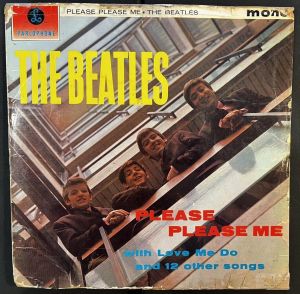
 

‘I went into the old EMI offices many times in the late ’80s and it never occurred to me to look up in reception and see exactly where that iconic photo had been taken. In the ’80s it seemed we had been looking forward.’

David Hepworth on the famous Beatles photo from the cover of Please Please Me


‘I tried the Jesus and Mary Chain but I just couldn’t believe it. It’s awful! It was so sophomoric – like the Velvets without Lou. I just know that they’re kids from Croydon! I just can’t buy it.’

David Bowie, 1987


‘I was surprised how hip it is. There’s a strange thing I don’t understand of people in Boy George outfits dancing to Jimmy McGriff and old Jackie McLean Blue Note records in discos.’

Guitarist John Scofield on the latest English ‘jazz revival’, 1988


‘Songwriting’s a craft, that’s all. I always knew my lyrics were better than anyone else’s anyway. I just edit more than other people, that’s my f***in’ secret. Also I never sleep and that helps too. You’ve got more time that way.’

Shane MacGowan, 1989


‘I hate having my picture taken, I always look like such a dog.’

Kirsty MacColl, 1989


‘I was a patsy. I never made more than $200 a week at the Five Spot.’

Ornette Coleman looks back on his legendary six-month residency during 1959 and 1960, 1985


‘All of us were naive, not just Ornette. We couldn’t even pay our rents. And they were making lots of money off us. That club was jammed every single night we were there.’

Charlie Haden on the same residency, 1985


‘You walk into the record label and they just weren’t as friendly as they used to be. When the record’s not a success, it’s your fault, and so you take on all those feelings. The label doesn’t sit down and talk to you. And they don’t drop you either, because they don’t want to lose you to the competition – just in case you do come up with something good next. And so they just remain sort of not as friendly, no more: “Hey Kevin, how are you?” It’s a head-f*ck, and you just have to work it out yourself.’

Kevin Rowland on the commercial failure of his 1988 solo album The Wanderer


‘Pop stars live the life of Caesar. And we know where the life of Caesar leads: it leads to blankness, it leads to despair. That’s the real message of these rock stars’ lives. To the public, they represent vitality, youth, innocence, joy. But in private life they represent despair and an infatuation with death.’

Albert Goldman, author of ‘The Lives Of John Lennon’ and ‘Elvis’, 1988


‘I remember sitting next to the stage and seeing all those little red lights glowing on the amps while we waited for the guys to come out and give us a real pasting.’

Allan Holdsworth reminisces about early gig-going, 1985


‘I have the best legs in the business. And they’ve got dancing feet at the bottom.’

David Lee Roth, 1982


‘There’s only one woman I have deep respect for in this industry and that’s Chrissie Hynde.’

Annie Lennox, 1986


‘I would have thought that people would be pleased to have a band that could play half decently.’

Francis Dunnery bemoans It Bites’ poor standing with the British music press, 1989


‘Sometimes he would call for Monk out of the clear blue sky. “Thelonious! Come save me from these dumb young motherf*ckers!”‘

Wynton Marsalis on playing with Art Blakey in the early 1980s


‘Prince really wants to be white. I know what that’s like. I tried hard to be white too.’

Daryl Hall, 1985


‘What we do is an alternative to Elton John and Chris Rea and all those old bastards who were there and still are. It’s embarrassing to see these old people like Dire Straits doddering about, they’re hideous.’

Robert Smith, 1989


‘I’ll tell you what I dig. In the Sting movie “Bring On The Night”, Omar Hakim taking off on that tune. Like Tony Williams, Jack DeJohnette. That’s being real free and comfortable. I don’t take my drums seriously, and they do.’

Drummer for the stars Jeff Porcaro, 1989


‘I believe that Bill (Bruford) and Adrian (Belew) thought that Beat was a better album than Discipline. I have no idea how anyone could come to that conclusion.’

Robert Fripp of King Crimson, 2022


‘Thanks for letting me drop by, guys. Hope I didn’t ruin your album.’

Herbie Hancock bids farewell to Simple Minds after playing a synth solo on their 1982 song ‘Hunter And The Hunted’


‘You should have seen us trying to sound like Windham Hill. We’d fall on our butts, man. I learned that you can’t fake it.’

’70s jazz/rock pioneer Larry Coryell on his mid-’80s collaboration with violinist Michal Urbaniak, 1985


‘We weren’t asked but we wouldn’t have done it anyway.’

Robert Smith on Live Aid, 1985


‘The band is getting back together and playing, maybe every six months or every year. If I can do so without it being public knowledge, that would be great. But I can’t do it, obviously. It would be nice to play together just as friends.’

Jimmy Page on Led Zeppelin reunions, 1986


‘I really, really would like to be in Led Zeppelin again. Whether or not time allows that to happen, I don’t know.’

Robert Plant on Led Zeppelin reunions, 1988


‘I’m a Catholic, and I would just ask God to to please help me find my own style. It’s not going to be like Tony or Elvin, so that when you hear me on a record, you know it’s Al Foster on the drums.’

Al Foster on his ‘stomping’ hi-hat technique, 1989


‘I feel I’ve created a field in which other people can discover themselves. I’m disappointed that they don’t create the room for me to discover myself.’

Robert Fripp on his King Crimson bandmates, 1984


‘I find therapy enormously valuable. It’s like car maintenance, send yourself in to be serviced every few thousand miles and, with any luck, it stops major problems developing.’

Peter Gabriel, 1989


‘I went to see this band INXS from Australia. They were on OK band, very much like a version of the Rolling Stones, but not as good. The singer is good and he looks great, but he doesn’t really move. He can’t be expending much energy.’

Mick Jagger, 1988


‘The band was like a fake democracy. Henley and I were making the decisions while at the same time trying to pacify and cajole the others.’

Glenn Frey looks back on The Eagles, 1988


‘(Jeff) Beck’s was a miserable f***ing band, horrible. Beck is a miserable old sod, but I do love him as a guitar player.’

Rod Stewart, 1988


‘I’ve always found it easier to write for other people. I feel terrible inhibited about writing for me. It’s only in the last few years that I’ve resigned myself into believing that I’m a moderately good singer.’

David Bowie, 1988


‘Of my writing partners since John (Lennon), Denny Laine was obviously nowhere near as good. Stevie Wonder is very good, but he’s not a lyricist. Michael Jackson is not as good of a writer as he is a performer. And Eric Stewart was good, but again, not as good as John.’

Paul McCartney, 1988


‘This new Clash compilation, which is meant to have sold a million copies, should be making me a rich man, but someone told me you only get quarter royalties for compilations. The CD wasn’t invented then so that wasn’t in the contract either. So I think I don’t get them royalties either. To tell the truth, I think we’re all a bit skint really.’

Joe Strummer on the legacy of The Clash, 1988


‘Those weird people on the street – every hundreth weirdest one has a Steely Dan record at home. That guy who hijacked a bus today probably has 47 copies of The Royal Scam.’

Walter Becker on Steely Dan’s audience, 1981


‘In 1981, something happened which changed my way of working with music. I woke up on a friend’s sofa in New York and simply understood something I’d known for a while: music was always present, completely with a life of its own, as a friend.’

Robert Fripp, 1984


‘The price of a ticket goes from two dollars to 20 dollars, the act doesn’t do an encore, someone has to stand in a long line, and it’s all my fault.’

Bill Graham on stadium rock, 1988


‘There are a lot of people who didn’t make a commitment and now they’re no longer with us. We lost Otis Redding, Sam Cooke, Jackie Wilson, Jimi Hendrix. I think maybe some of them didn’t know where or when to get off. The important thing is to be here.’

Al Green, 1988


‘Hell, we steal. We’re the robber barons of rock’n’roll.’

Donald Fagen of Steely Dan, 1981


‘After recording it, I flew off to see my manager and I said to him, “You’d better watch who you’re talking to. I’m the guy who wrote “Addicted To Love!”‘

Robert Palmer, 1988


‘I get the fans who write poetry. I have a slight David Sylvian audience, whereas Chris (Lowe) gets the sex audience, the ones who write obscene letters! It’s quite thrilling, actually!’

Neil Tennant of The Pet Shop Boys, 1988


‘It was the Enniskillen bombing that did it. The man whose daughter died beside him under the rubble; he was burning inside but he was so forgiving, so gracious. I thought, Christ, this is what courage is all about – Elton, just shut up and get back to work. After all, once you’ve been exposed naked on the cover of The Sun you ought to be able to face anything…’

Elton John on his 1988 comeback


‘It’s a better product than some others I could mention.’

David Bowie defends the Glass Spider Tour, 1987


‘Back then I thought I’d lost it and I did a bunch of things I was really unhappy with – all in public and on record. But it turned out not to be true. My ability hadn’t deserted me. And it won’t go away. Ever.’

Lou Reed, 1988


‘Michael Jackson’s just trying to cop my sh*t. I was insane years ago…’

Neil Young, 1988


‘I’ve said a lot of things in my time and 90 percent of them are bollocks.’

Paul Weller, 1988


‘We were excellent. Some of the best records of the ’80s are there. For the last six months of Wham!, it was OK to like us, we got a little hip. I cannot think of another band who got it together so much between the first and second albums. On Fantastic, you can tell I don’t think I’m a singer but some vocals on Make It Big are the best I’ve done. Even if we were wankers, you still had to listen.’

George Michael reassesses Wham!, 1998


‘The gig I have as the drummer in King Crimson is one of the few gigs in rock’n’roll where it’s even remotely possible to play anything in 17/16 and stay in a decent hotel.’

Bill Bruford, 1983


‘When I toured with The Rolling Stones, the audience would come up to me after the show and say, “Man, you’re really good, you ought to record.” How do you think that makes me feel after 25 years in the business?’

Bobby Womack, 1984


‘I find politics ruins everything. Music, films, it gets into everything and f*cks it all up. People need more sense of humour. If I ran for President, I’d give everybody Ecstasy.’

Grace Jones, 1985


‘I’m not the most gifted person in the world. When God handed out throats, I got locked out of the room.’

Joe Elliott of Def Leppard, 1988


‘I’m lazy and I don’t practice guitar and piano because I’ve gotten involved with so many other things in my life and I just had to make a sacrifice. Stephen Sondheim encourages me to start playing the piano again. Maybe I will.’

Madonna, 1989


‘Nile (Rodgers) couldn’t afford to spend much time with me. I was slotted in between two Madonna singles! She kept coming in, saying “How’s it going with Nile? When’s he gonna be free?” I said, “He ain’t gonna be free until I’m finished! Piss off!”’

Jeff Beck, 1989


‘I’ve never really understood Madonna’s popularity. But I’ve talked to my brothers and they all want to sleep with her, so she must have something.’

Nick Kamen, 1987


‘They ask you about being a Woman In Rock. The more you think about, the more you have to prove that you’re a Woman In Rock. But if you’re honest, it doesn’t matter whether you’re male or female. That’s the way we work.’

Wendy Melvoin, 1989


‘In Japan, someone told me I was playing punk saxophone. I said, “Call me what you want, just pay me”.’

George Adams, 1985


‘In the past, we’d bump into other musicians and it would be, “Oh, yes, haven’t I heard of you lot? Aren’t you the bass player that does that stuff with your thumb?” But once you’ve knocked them off the number 1 spot in Germany, they’re ringing you up in your hotel and saying, “Hey, howyadoin’? We must get together…”‘

Mark King of Level 42, 1987


‘We played London, we played Ronnie Scott’s, and I noticed that there were a lot punk-rock kids in the audience. After we finished playing, we had to go to the disco and sign autographs, because “Ping Pong”, the thing we made about 30 years ago, is a big hit over there.’

Art Blakey, 1985


‘I believe music – just about everything – sounds better these days. Even a car crash sounds better!’

Miles Davis, 1986


‘It’s a dangerous time for songwriters in that a monkey can make a thing sound good now.’

Randy Newman, 1988
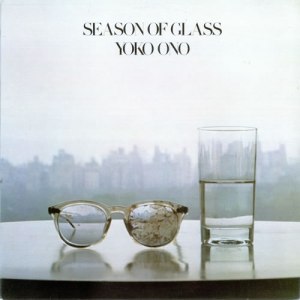
Yoko+Ono+Season+Of+Glass+522787


‘To have those glasses on the cover was important because it was a statement and you have to understand that it was like John wanted you guys to see those glasses.’

Yoko Ono, 1989


‘I’ll f*cking… I’ll go and take on anyone, any white singer who wants to give me a go.’

Matt Goss of Bros, 1989


‘I’ve never said this before but my drums is so professional, man, know what I mean?’

Luke Goss of Bros, 1989


‘I hate parts of my own albums because I know I’m hearing something that doesn’t translate to piano. In fact, I’m being dishonest by playing piano at all.’

Keith Jarrett, 1987


‘When I began to see how Elvis lived, I got such a strong take off of it. It was all so revolting!’

Albert Goldman, 1988


‘The best way to make great art is to have it trivialised by other people as much as possible. That way, you fight and fight and fight.’

Julian Cope, 1989


‘Whatever you’re tops in, people is trying to bring you down, and that’s my philosophy.’

Samantha Fox, 1987


‘Call me fat and I’ll rip your spine out.’

Ian Gillan, 1983


‘Sure I care about my fans. Because fans is money, hahaha. Muh-neee! And who does not care about money? Me, I like muh-neee, haha.’

Chuck Berry, 1988


‘I have this long chain with a ball of middle-classness at the end of it which keeps holding me back and that I keep sort of trying to fight through. I keep trying to find the Duchamp in me.’

David Bowie, 1980


‘People who say, Oh, I don’t know anything about music – they’re the people who really do know about music because it’s only really what it does to you.’

Steve Winwood, 1988


‘I notice that critics and others don’t credit black people with the ability to write ingenious, creative lyrics.’

Nile Rodgers, 1981


‘I’m below the poverty line – I’m on £16 a week. We needed some clothes and our manager said, “I don’t know what you do with your money. I mean, 16 quid!”’

Gary Daly of China Crisis, 1984


‘You take four or five of those rattlesnakes, dry ’em out and put them inside your hollow-box guitar. Lightnin’ Hopkins taught me that trick.’

Albert Collins on his guitar tone, 1988


‘People are bored with Lionel Richie going “I love everybody, peace on earth, we are the world…” F*ck that! People love bastards.’

Terence Trent D’Arby, 1987


‘Epstein dressed The Beatles up as much as he could but you couldn’t take away the fact that they were working-class guys. And they were smart-arses. You took one look at Lennon and you knew he thought the whole thing was a joke.’

Billy Joel, 1987


‘I remember when the guy from Echo & The Bunnymen said I should be given National Service. F*** him...’

Boy George, 1987


‘No-one should care if the Rolling Stones have broken up, should they? People seem to demand that I keep their youthful memories intact in a glass case specifically for them and damn the sacrifices I have to make. Why should I live in the past just for their petty satisfaction?’

Mick Jagger, 1987


‘The industry is just rife with with jealousy and hatred. Everybody in it is a failed bassist.’

Morrissey, 1985


‘I couldn’t stand it – all that exploitation and posturing, the gasping at the mention of your name, the pursuit by photographers and phenomenon-seekers. You get that shot of adrenalin and it’s fight or flight. I chose flight many a time.’

Joni Mitchell, 1988


‘I’m strongly anti-war but defence of hearth and home? Sure, I’ll stick up for that… I’m not a total pacifist, you know? I’ve shot at people. I missed, but I shot at them. I’m sort of glad I missed…’

David Crosby, 1989

Three Angry 1980s Songs About Managers

Grey_Double-Buttoned_Suit_JacketManagers, eh? In 1997, David Bowie said, ‘They’re a species I really have nothing to do with’, an unsurprising position considering his disastrous earlier experiences.

But, in the rock and pop world, it’s almost a rite of passage to be ripped off by a manager. As the old music biz saying goes: where there’s a hit, there’s a writ.

There were certainly a number of dodgy characters hanging around in the 1980s, generally wearing cheap suits and deafening aftershave. Japan/Wham! manager Simon Napier-Bell knows where all the bodies are buried: he told all in ‘Ta-Ra-Ra-Boom-De-Ay’, his jaw-dropping account of record business skulduggery.

And Giles Smith’s hilarious ’80s memoir ‘Lost In Music’ outlined his doomed-to-fail attempts at pop stardom whilst being hamstrung every step of the way by chronically-inept ‘career adviser’ Pete The Bastard.

Basically, for every Bruce Findlay (Simple Minds), Ed Bicknell (Dire Straits) or Paul McGuinness (U2) – the nominal ‘fifth member of the band’ – there’s probably a Colonel Tom Parker or Defries in the wings. Here are three prime 1980s acts who turned on their ex-managers in the best way they knew how.

3. XTC: ‘I Bought Myself A Liarbird’ (1984)
For many years, songwriter Andy Partridge was unable to discuss this song due to ‘legal issues’ with the band’s former manager Ian Reid (the sticking points seemed to be a huge unpaid VAT bill and also work/life balance, or lack of it…). Partridge delivers a pretty caustic portrait of the ‘starmaker machinery behind the popular song’, as Joni Mitchell called it. XTC settled out of court with Reid in 1989.

I bought myself a liarbird
He came with free drinks
Just to blur the lies falling out like rain
On an average English summer’s afternoon

I bought myself a new notebook
Sharpened my guitar and went to look
If this biz was just as bongo as the liarbird made out

All he would say is ‘I can make you famous’
All we would say: ‘Just like a household name’
Is all he would say

Methinks world is for you
Made of what you believe
If it’s false or it’s true
You can read it in your bible
Or on the back of this record sleeve

I bought myself a liarbird
Things got more and more absurd
It changed to a cuckoo
And expanded, filling up with all I gave

I bought myself a big mistake
He grew too greedy, bough will break
And then we will find that liarbirds
Are really flightless on their own

Methinks world is for you
There’s no handing it back
If it’s false or it’s true
You can read it in your prayer book
Or on the side of a cornflake pack

I gave away a liarbird
A couple less drinks
And now I’ve heard the truth shining out like sun
On an average English winter’s afternoon

2. John Martyn: ‘John Wayne’ (1986)
This Eastern-tinged, dramatic doom-ballad was initially written as a diatribe against Martyn’s early-’80s manager Sandy Roberton. The main problem seemed to be ‘cashflow’, judging from the lyric below… After a rewrite and the adding of a soupçon of humour (as well as some of John’s ‘strangled duck’ vocals, as he called them), it also became a cheeky portrait of the type of ball-busting, all-American bullyboy represented by Duke Wayne and Martyn’s old favourite Ronald Reagan. He even managed to include the Pinteresque euphemism: ‘I’ll measure you – fit you up!’

You know you’ve got it coming
I’ll tell it to you straight
I’m coming for you very soon
I’ll never hesitate
I’ll measure you
And fit you up

I am John Wayne
I do believe I’m John Wayne
I am John Wayne
Drink your milk!

Don’t you dare look behind you
You know I will be there
You’ll feel my breath on your neck
Turn, face me if you dare

I am John Wayne
I believe I’m John Wayne
Get on your horse!

You felt the money flowing
You watched the beast arrive
Watch the money going away
Time to skin the lamb alive

1. Prince: ‘Bob George’ (1987)
Black Album curio ‘Bob George’ was recorded at LA’s Sunset Sound as a present for Sheila E, and premièred at her Vertigo club birthday bash on 11 December 1986. Engineer Susan Rogers explained the genesis of this bizarre, self-mocking, X-rated piece: ‘Prince felt (Billboard music critic) Nelson George had become very critical of him all of a sudden, at a stage in his career where he needed all the help he could get. (Manager) Bob Cavallo also ticked him off.’ Roots of this discord may have lain in Prince’s wish to release the triple-album Crystal Ball as the follow-up to Parade, a wish that fell on deaf ears during negotiations with Prince’s record company Warner Bros. Maybe Prince felt that Cavallo hadn’t pushed hard enough on his behalf, terminally affecting their working relationship – Cavallo was given the push just after the release of the Batman album 18 months later. (Is ‘Bob George’ also a homage to/pastiche of Miles Davis? Ed.)

13 Great Album Covers Of The 1980s

One of the many positives of the recent vinyl resurgence is the potential for some decent album covers again.

For a while, it seemed as if the art was being lost.

Back in the ’80s, as the cliché goes, you would generally buy an album, stick it on and then peruse the cover at some length while you listened. The best covers seemed to take on a life of their own.

Budgets were healthy, the musicians cared and you could see the time and effort that went into the work. I particularly liked those covers with a ‘psychological’ aspect, some kind of story or scene, an image that maybe enhanced the lyrical themes of the album. 

Here are eleven album covers of the ’80s that still beguile, from the spooky to the decidedly Spielbergian.

13. Donna Summer: She Works Hard For Her Money (1983)

Design: Chris Wharf/Photo by Harry Langdon

12. Scritti Politti: Cupid & Psyche 85 (above)

Design by Keith Breeden/Artwork by Art-O-Matic

11. Pat Metheny/Lyle Mays: As Falls Wichita, So Falls Wichita Falls (1981)

Design by Barbara Wojirsch
Photo by Klaus Frahm

10. Weather Report: Procession (1983)

Artwork by John Lykes

weather report

9. It Bites: The Big Lad In The Windmill (1986)

Cover artwork by David O’Connor

It+Bites+The+Big+Lad+In+The+Windmill+452664

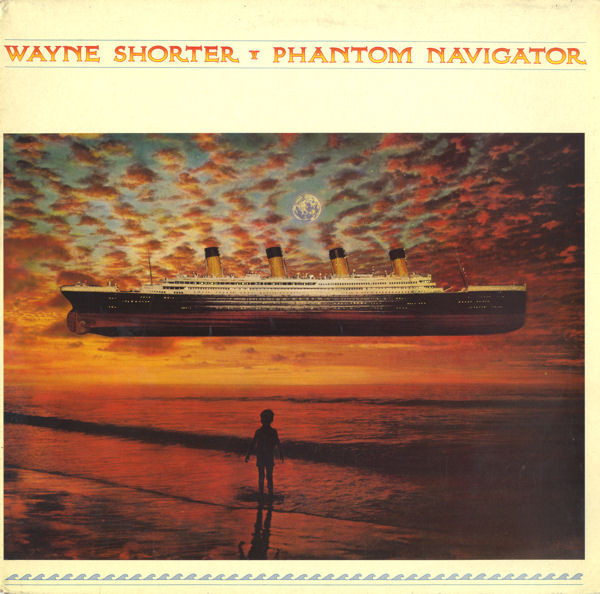
8. Wayne Shorter: Phantom Navigator (1988)

Cover artwork by Jean-Francois Podevin

wayne sh

7. Level 42: Level 42 (1981)

Cover artwork by Joy Barling Loyla

level

6. Japan: Oil On Canvas (1983)

Cover artwork by Frank Auerbach

japan

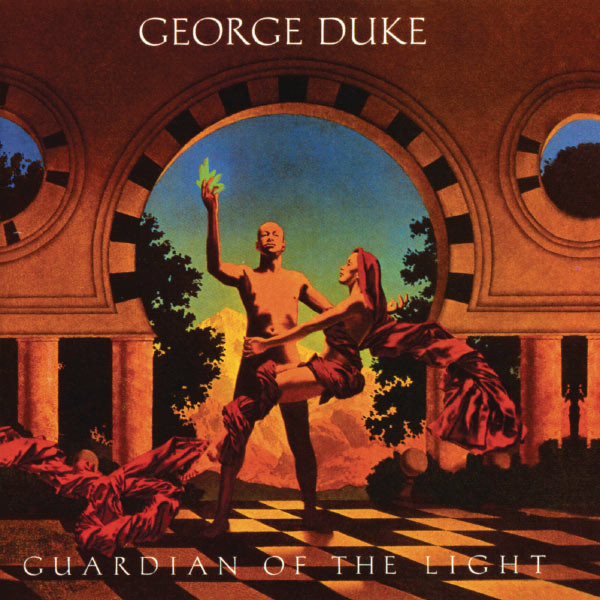
5. George Duke: Guardian Of The Light (1983)

Cover artwork: unidentified (anyone know?)

george

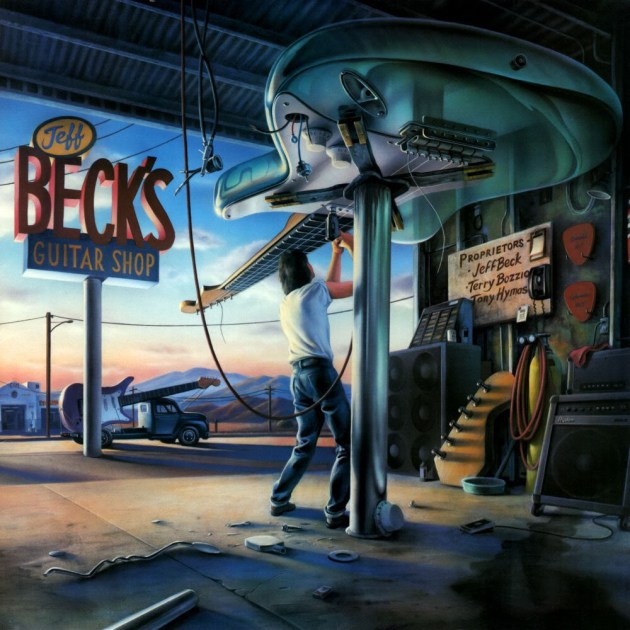
4. Jeff Beck’s Guitar Shop (1989)

Cover artwork by Mark Ryden

jeff-becks-guitar-shop-55b528bc7fc87

3. Peter Gabriel: 3 (1980)

Cover artwork/photography by Hipgnosis (Storm Thorgerson/Audrey Powell)

hs_PG3_UMGI_Vinyl-12_Gatefold_6mmSpine_OUT_RI_AUG10.indd

2. Talk Talk: The Colour Of Spring (1986)

Cover artwork by James Marsh

talk talk

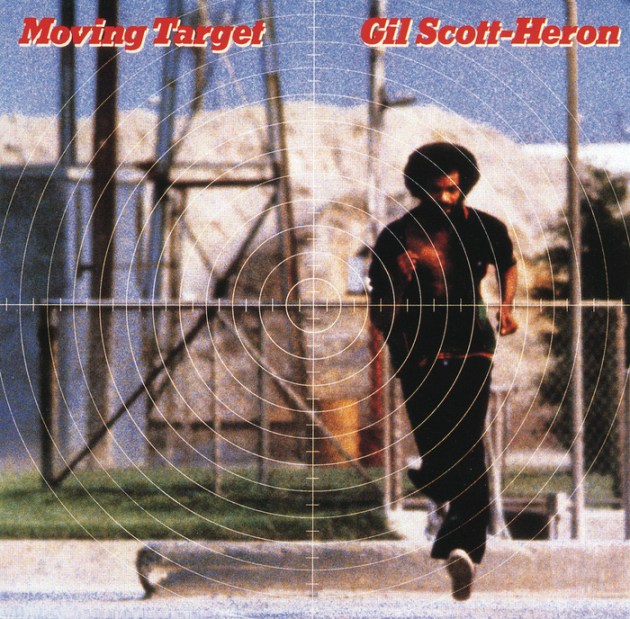
1. Gil Scott-Heron: Moving Target (1982)

Photography by John Ford, artwork by Donn Davenport

gil scott heron

Six Great ’80s YouTube ‘Shreds’

SWING IN DEAUVILLE 1992

Chick Corea – look away now…

YouTube ‘shreds’ didn’t take off on social media the way trolling and cat videos did.

OK, they are a bit ‘niche’, probably only of interest to a select few musos. But these musical parodies take on a quality all of their own, producing a surreal, appealingly-amateurish mash-up of cheap synths, terrible guitar sounds and fake drums.

There is some intelligence behind them too – it’s not easy to sound this bad. You need talent. These clips also bring home just how great the targets of their ridicule really are.

But hey – some possibly need taking down a peg or two…

6. a-ha play ‘Take On Me’
I like the badly-played synths, Morten’s off-mic asides and the unexpectedly-early chorus. Also the drummer’s Herculean efforts juxtaposed with the tinny, inconsequential sounds he is producing.

5. The Chick Corea Elektric Band play…something
This band were always one of the more unsavoury fusion units of the late-’80s. Their freakily-flawless musicianship, cheesy synth sounds and ‘zany’ stage performances are ripe for a bit of a pisstake.

4. USA For Africa play ‘We Are The World’
This one gets in for sheer oddness. It sounds like it’s been overdubbed by people whose first language is not English. Chinese? French? Kenny Rogers, Tina Turner and Billy Joel always get me.

3. Miles Davis plays ‘Tutu’
Sorry Miles, but I like the way this classic piece is re-imagined as a kind of remedial reggae/world music/’50s rock jam. Don Alias’s ‘tinging’ ride cymbal gets me every time.

2. Dire Straits play ‘Money For Nothing’
This is ‘Money For Nothing’ played by a bunch of teenagers who have just been given a few cheap synths, a crap guitar and an old bass for Christmas. I particularly dig John Illsley’s backing vocals.

1. Chick Corea duets with Herbie Hancock
Why not some more Chick? There’s something about his smug performance style that lends itself to these clips. And of course the fact that he has made so much tasteless music for someone so near to genius…