It Bites: Live In London

The classic It Bites lineup (Francis Dunnery, John Beck, Richard Nolan, Bob Dalton) produced three excellent studio albums and of course snared one huge UK hit in the shape of ‘Calling All The Heroes’.

Then, after the band split in 1990, there was the middling best-of live collection Thankyou And Goodnight. But now there’s an excellent new limited-edition 2018 boxed set called Live In London.

It collects three complete, unedited London gigs (I was at two of them) over five CDs, including their very last major show in the capital. Whilst these are essentially desk recordings, the sound quality ranges from good to excellent. The set also features nice, previously unseen photos and some good liner notes including a long interview with Dalton, telling of their London history and details of each gig.

The Marquee concert from 21 July 1986 (at less than 40 minutes, presumably a support?) catches the band in their full-on, zingy, poppy/funky early pomp. Everything sounds a little fast and they haven’t quite settled into their groove yet but it’s still a good listen. There’s a shrill early version of ‘Black December’ and a great, rare outing for ‘Whole New World’ with Dunnery playing the horn lines on lead guitar with some aplomb.

Next is the very tangible peak of the band, a Once Around The World tour gig from 13 May 1988 at the much-missed Astoria. The sound is beefy, the tempos locked in, the backing vocals excellent and this really is the dog’s bollocks. There’s so much evidence of craft, with an extra note here and lick there, always slightly modifying the album versions.

‘Plastic Dreamer’ is a revelation, ‘Black December’ is huge, and ‘Old Man & The Angel’ ambitious and exciting. We finally get to hear what Dunnery sings in ‘Hunting The Whale’. The ‘Midnight/Wanna Shout’ medley is a knockout, complete with ‘Purple Haze’ coda, and Once Around The World’s title track is brilliant, complete with excerpt from ‘New York, New York’ which chimes rather cleverly with Dunnery and Beck’s Lamb Lies Down On Broadway fixation.

The third gig is the band’s final London show, from the Hammersmith Odeon on 7 April 1990. The intro sounds like something from Prince’s Lovesexy. The new songs sound great, ‘Let Us All Go’ is superb but Dunnery’s voice is pretty shot throughout, and some of the backing vocals are also showing signs of strain. In truth you can hear the schisms in the band developing, though there are many, many great moments.

Barely two months later Dunnery had left the group. Not long after that, this correspondent would see him skulking around the King’s Head pub in Fulham (he was rehearsing upstairs with Robert Plant, I was gigging there), not looking a particularly well or happy man. Thankfully he’s on a far more even keel now.

Live In London is a really exciting release, a must-have collection for anyone who owns any of the studio albums, and arguably a much better package than Thankyou And Goodnight.

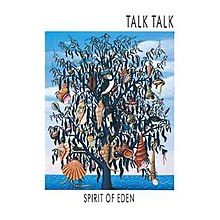
11 May 1987: Talk Talk commence recording Spirit Of Eden

35 years ago today, Mark Hollis (guitar, keyboards, vocals), Tim Friese-Green (keyboards, production), Lee Harris (drums), Paul Webb (bass) and engineer Phill Brown convened at London’s Wessex Studios (don’t look for it – it’s not there any more) to begin work on the Talk Talk album Spirit Of Eden.

During May, June and July 1987, this core unit worked five-day weeks from 11am until midnight, in near darkness apart from an oil projector, a gentle strobe lighting effect and three Anglepoise lamps.

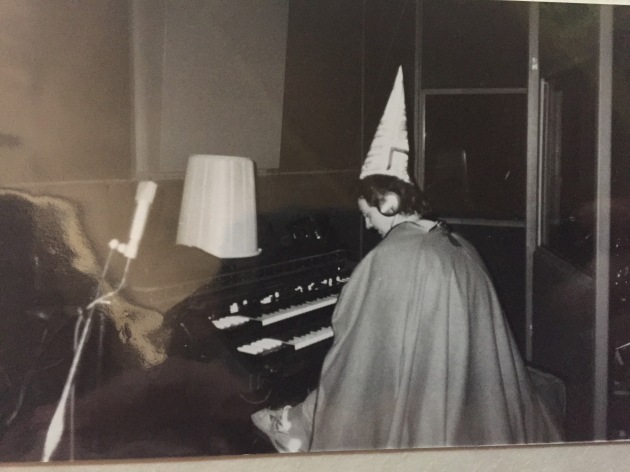
Tim Friese-Green on the Hammond organ, Wessex Studios

Basic tracks laid down, they took a break. On 19 October 1987, work resumed with instrumental overdubs; first woodwinds, then a coterie of world-class musicians including David Rhodes, Bernie Holland and Larry Klein, whose contributions would end up on the cutting-room floor. But those whose performances did make the cut include Nigel Kennedy, Danny Thompson, Robbie McIntosh, Martin Ditcham and Henry Lowther.

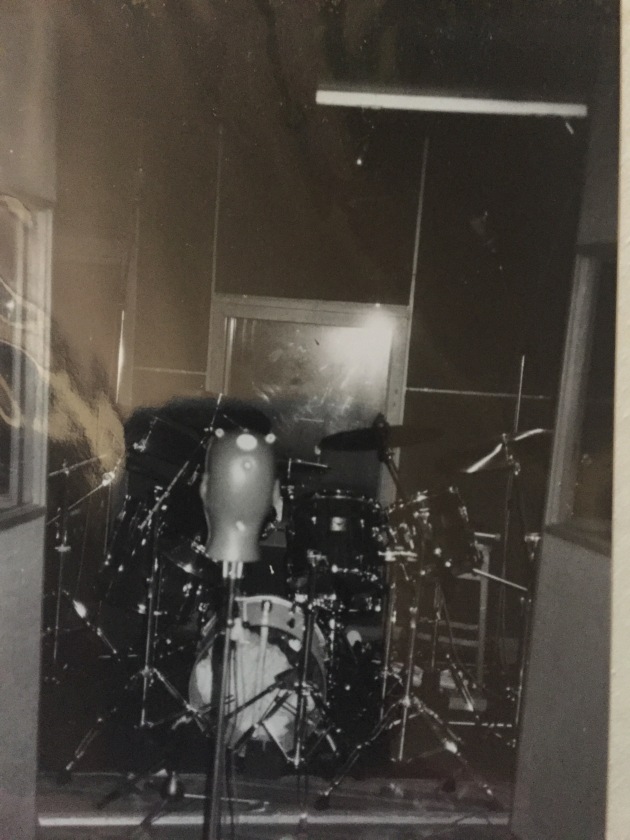
Lee Harris’s drum booth, Wessex Studios

Almost a year in the making, Spirit Of Eden was finally released on 12 September 1988 (after a long delay while EMI panicked – it was actually completed on 11 March 1988) and remains one of the most influential, least-dated ‘rock’ albums of the 1980s.

Thanks to Phill Brown for use of his photos.

‘Mark Hollis: A Perfect Silence’ is published by Ben Wardle.

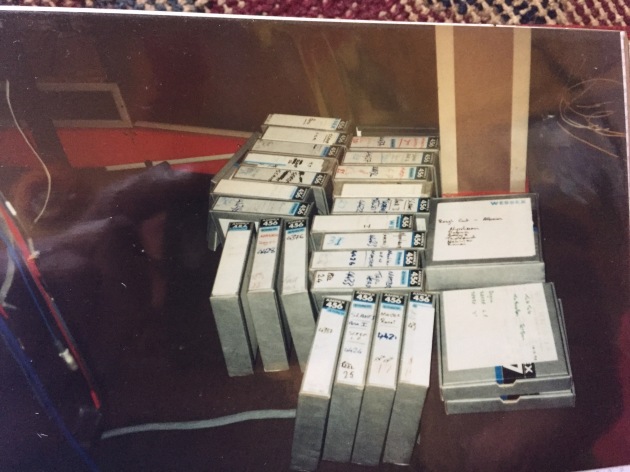
The ‘Spirit Of Eden’ master tapes

The Movers & Shakers Of 1980s Music: Their Real Names Revealed

Captain Sensible, AKA…

During the punk era, musicians often chose stage names so that the dole office wouldn’t identify them from album covers or gigs.

One wonders how much of an issue that was for Gordon Sumner, Paul Hewson and David Evans, AKA Sting, Bono and The Edge, but you never know.

But as the 1980s wore on and the post-punk era became the hip-hop era, a whole new generation of rappers, DJs, producers and musicians felt the need to create pseudonyms.

But what did their mums call them? Here, for your dubious pleasure, are some of the most intriguing real names of 1980s pop, rock, hip-hop, indie and jazz (this page will be updated regularly).

It’s fair to assume that most probably don’t like being reminded of these, for various reasons. YOU go taunting Ice-T with his real name (Tracy Marrow). But, on the other hand, kudos to The Cure’s Robert Smith for not using a pseudonym…

Norman Cook (Housemartins bassist/DJ etc.): Quentin Leo Cook

William Orbit: William Wainwright

Sonny Rollins: Theodore Rollins

Billy Ocean: Leslie Charles

Bobby Z (Prince’s drummer): Robert Rivkin

David Z (Prince engineer/producer): David Rivkin

Atlanta Bliss (Prince’s trumpet player): Matthew Blistan

Dr Fink (Prince’s keyboard player): Matthew Fink

BrownMark (Prince’s bass player): Mark Brown

St Paul (The Family frontman): Paul Peterson

Vanity (Vanity 6 singer/actress): Denise Matthews

Rick Springfield: Richard Springthorpe

Thomas Dolby: Thomas Morgan Robertson

Nik Kershaw: Nicholas Kershaw

John Peel: John Ravenscroft

Jonathan King (impresario and DJ): Kenneth King

Suggs (Madness frontman): Graham McPherson

Cher: Cheryl Sarkisian

Iggy Pop: James Osterburg

Buster Bloodvessel (Bad Manners frontman): Douglas Trendle

Jona Lewie (‘Stop The Cavalry’/’In The Kitchen At Parties’ singer): John Lewis

Chaka Khan: Yvette Stevens

David Essex: David Cook

Elton John: Reginald Dwight

Cliff Richard: Harry Webb

Roxanne Shante (rapper): Lolita Shante Gooden

The Real Roxanne (rapper): Adelaida Martinez

Scott Walker: Noel Scott Engel

Green Gartside (Scritti Politti frontman): Paul Julian Strohmeyer

Terminator X (Public Enemy DJ): Norman Rogers

Jet Black (Stranglers drummer): Brian Duffy

W. Axl Rose: William Bruce Rose Jr.

Divine: Glenn Milstead

Henry Rollins: Henry Garfield

MC Lyte: Lana Moorer

Kate Bush: Catherine Bush

Sun Ra: Herman Blount

Sade: Helen Folasade Adu

Adam Ant: Stuart Goddard

Ozzy Osbourne: John Michael Osbourne

Genesis P-Orridge (Throbbing Gristle/Psychic TV frontperson): Neil Megson

Cosey Fanni Tutti (Throbbing Gristle co-founder): Christine Newby

Jamaaladeen Tacuma (Ornette Coleman bassist): Rudy McDaniel

Howard Devoto (Magazine singer/solo artist): Howard Trafford

Wilko Johnson: John Wilkinson

Jah Wobble: John Wardle (named by a drunken Sid Vicious, whose real name is John Ritchie…)

Prairie Prince (Tubes/XTC drummer): Charles Lempriere Prince

Sydney Youngblood (‘If Only I Could’ singer): Sydney Ford

Yazz (‘The Only Way Is Up’): Yasmin Evans

Belouis Some (‘Imagination’ singer): Neville Keighley

Hollywood Beyond (‘What’s The Colour Of Money’ singer): Mark Rogers

Tommy Vance (legendary DJ): Richard Anthony Crispian Francis Prew Hope-Weston

Melle Mel: Melvin Glover

John Martyn: Iain McGeachy

Tom Verlaine (Television frontman): Thomas Miller

Johnnie Walker (DJ): Peter Dingley

Kim Wilde: Kim Smith

Midge Ure: James Ure

Elvis Costello: Declan MacManus

Adrian Belew: Robert Steven Belew

Princess (London soul singer of ‘Say I’m Your Number One’ fame): Desiree Heslop

Dweezil Zappa: Ian Donald Calvin Euclid Zappa (The LA hospital nurse wouldn’t let Gail and Frank name him ‘Dweezil’ so FZ named him after his early collaborators Ian Underwood, Captain Beefheart, Carl Schenkel and ‘Motorhead’ Sherwood. Dweezil’s name was legally changed when he was five years old.)

Mick Mars (Motley Crue guitarist): Robert Alan Deal

John Foxx: Dennis Leigh

Trugoy (De La Soul rapper): David Jolicoeur

Cheryl Baker (Bucks Fizz vocalist): Rita Crudgington

Grandmaster Flash: Joseph Saddler

Kidd Creole (Furious Five rapper): Nathaniel Glover

KRS-One: Lawrence Parker

Pauline Black (Selecter singer): Belinda Magnus

Siouxsie Sioux: Susan Ballion

Geddy Lee: Gershon Eliezer Weinrib

Sebastian Bach (Skid Row singer): Sebastian Bierk

Marilyn (‘Calling Your Name’ singer): Peter Robinson

Don Was (Was Not Was co-founder/superstar producer): Don Fagenson

Falco (‘Rock Me Amadeus’ one-hit wonder): Johann Holzel

Steve Severin (Siouxsie and the Banshees bassist): John Bailey

Budgie (Siouxsie drummer): Peter Clarke

Dave Vanian (Damned singer): David Lett

Lydia Lunch: Lydia Koch

Flavor Flav: William Drayton

LL Cool J: James Smith

Tone Loc: Anthony Smith

Bonnie Tyler: Gaynor Hopkins

Yngwie Malmsteen: Lars Lannerback

Young MC: Marvin Young

Ice Cube: O’Shea Jackson Sr.

Shakin’ Stevens: Michael Barratt

Donna Summer: LaDonna Gaines

Captain Sensible: Raymond Burns

Rat Scabies (Damned drummer): Christopher Millar

Vanilla Ice: Matthew Van Winkle

MC Hammer: Stanley Burrell

DJ Kool Herc (hip-hop pioneer): Clive Campbell

Duke Bootee (hip-hop pioneer): Edward Fletcher

Afrika Bambaataa: Lance Taylor

Nikki Sixx (Motley Crue bassist): Franklin Ferrana

Skip McDonald (On-U Records/Sugar Hill guitarist): Bernard Alexander

Billy Idol: William Broad

Bill Wyman: William Perks

Fish: Derek Dick

Fee Waybill (Tubes vocalist): John Waldo

Billy Ocean: Leslie Charles

Posdnuous (De La Soul rapper): Kelvin Mercer

Maseo (De La Soul rapper): Vincent Mason Jr.

Chris De Burgh: Christopher Davidson

Kool Moe Dee: Mohandas Dewese

Dee C Lee (Style Council vocalist/’See The Day’ solo artist): Diane Sealey

Steve Strange (Visage frontman/Blitz pioneer): Stephen John Harrington

Youth (Killing Joke bassist/superstar producer): Martin Glover

Geordie (Killing Joke guitarist): Kevin Walker

Doug E Fresh: Douglas Davis

It Bites: Thankyou And Goodnight 30 Years Old Today

There’s a secret history of bands/artists disowning their own albums before they’ve even been released.

Lee Mavers’ La’s, Prince and Chrissie Hynde’s Pretenders come to mind, and the brilliant Cumbrian four-piece It Bites can also be added to that list. They even sent out a ‘please don’t buy our new album’ letter to their fan club. I still have it. Quote: ‘They feel Thankyou And Goodnight to be a complete rip-off on the part of Virgin Records…’ It didn’t work, of course. I bought it during its first week of release.

By summer 1991, a year after guitarist/lead vocalist Francis Dunnery had done a runner from the band (this interview gives intriguing hints as to his state of mind during spring 1990) while they were recording their never-to-be-released fourth studio album in Los Angeles, remaining members John Beck (keyboards), Dick Nolan (bass) and drummer Bob Dalton (then trying to make a go of it as Navajo Kiss, and later Sister Sarah) were less than thrilled to hear that Virgin intended to release an It Bites live album.

But it was out of their hands. They reluctantly helped with track selection/sequencing, approved the artwork and title and Thankyou And Goodnight became the official au revoir to one of the finest British bands of the 1980s. One top 40 single (‘Calling All The Heroes’) was a pretty dire return for one of the most melodic acts of the era.

Virgin should get some blame for that (they were generally better cheerleaders for their solo acts, apart from Genesis, Simple Minds and Culture Club). But these days you hear ‘Still Too Young To Remember’, ‘Underneath Your Pillow’, ‘Kiss Like Judas’ and ‘Midnight’ and it’s inexplicable that they didn’t crack the charts.

In particular, their singular lack of mainstream success throughout 1988 seems to have been a huge shock for the band, especially off the back of an extraordinary sophomore album Once Around The World, sold-out UK tour and well-received Robert Plant support slot. But back to Thank You And Goodnight. Visually, it’s a pretty shoddy package.

The cover looks like it was knocked off by a reluctant Virgin designer after a long liquid lunch. There are no recording dates or technical personnel, save for mixing engineer Nick Davis (XTC, Marillion, Genesis, Phil Collins), whose surname is misspelt.

Then there are some cursory ‘history of the band’ liner notes, with an annoying addendum by a Virgin staffer: ‘We owe you a drink, Ian!’. Yeah, right… And then there’s the track choice – it’s basically the audio from the televised June 1989 gig at London’s Town & Country Club, plus a few ringers: ‘Yellow Christian’ (recording date/venue unknown) and ‘You’ll Never Go To Heaven’ from London’s Marquee in 1987, previously the B-side of ‘Midnight’.

But it’s no surprise to report that most of the music on Thankyou And Goodnight is fantastic. Under Davis’s jurisdiction, Nolan’s bass and Dalton’s drums sound like a million dollars, at least on the T&C tracks. ‘Underneath Your Pillow’ is the standout, emerging as a superb pop song augmented by the extended, proggy ending, with Dunnery quoting from Holst’s Planet Suite (Venus, the Bringer of Peace).

‘The Ice Melts Into The Water’ and ‘Still Too Young To Remember’ (with its clever ‘Old Man & The Angel’ tag) are also superb, fitting reversions. From memory, I saw It Bites live five times (Brunel University/Astoria 1988, T&C/Hammersmith 1989, Hammersmith 1990) and they were never less than sensational. Thankyou And Goodnight is not a great package but a decent-enough document of their late-career pomp.

What a shame they couldn’t have recorded one more studio album after 1989’s Eat Me In St Louis though and basked in some long-overdue success. One further mystery – Dunnery has obviously added some post-production vocals to ‘Ice Melts Into The Water’ – when and where did he do them? Maybe he was secretly in on the project after all…


Pat Metheny & Lyle Mays: As Falls Wichita, So Falls Wichita Falls 40 Years On

‘A game of two halves’ is a common expression in football, but it can apply to albums too.

We all know albums which have one good side and one bad one (I’ll throw in The Seeds Of Love, Fulfingness’ First Finale, Music Of My Mind, The Colour Of Spring for your consideration…).

But another humdinger is As Falls Wichita, So Falls Wichita Falls, released 40 years ago today.

The Cult Of Metheny has ensnared many, and puzzled just as many. But As Falls Wichita fell smack bang in my favourite era of Pat’s music (between American Garage and Song X), and represented a real change of scene.

Side one’s 20-minute title track delivered a full-on prog/fusion masterwork, ably assisted by Lyle Mays in classic-synth heaven (Prophet 5, various Oberheims, Roland CR-78 and Linn LM-1 drum machines), always totally recognisable, and at a time when polyphonic playing had just become possible. He was rapidly becoming a Joe Zawinul for the 1980s.

‘As Falls Wichita’ may be the most ‘rock’ music released on the ECM label during the 1980s, with the possible exception of David Torn’s 1987 record Cloud About Mercury. It also seems dangerously ambitious. Then again, the whole album was recorded in just three days! Lesser musicians could have taken a month to record this track alone.

Apparently chiefly written to play over the PA system before Metheny Group concerts, it’s pure headphone music. The enigmatic title (apparently nicked, with permission, from an unreleased Steve Swallow composition) and superb album cover certainly help.

The track plays out like a good movie (its working title was ‘Apocalypse When’). It’s more John Carpenter than Keith Jarrett. You might even describe it as cathartic, dammit.

(Another reason for its success may be the complete lack of instrumental solos. Pat doesn’t get any solo space at all – he just plays some unobtrusive bass, chiming 12-string electric and a little six-string. All sounds are textural and in the service of the whole piece.)

A superb live version was featured on the 1983 Metheny Group album Travels. And those who remember the Christian Dior ‘Fahrenheit’ adverts in the late 1980s may be familiar with a small excerpt of the track:

But back to that ‘album of two halves’ thing. Sadly, side two of As Falls Wichita is New-Age sludge. Ponderous and flabby, it’s fuel to Pat detractors, but probably loved by acolytes.

‘September Fifteenth’, a tribute to Bill Evans (named for the date of the great jazz pianist’s death in 1980) is the chief culprit. A closing, out-of-tune version of ‘Amazing Grace’ doesn’t help. It’s music for tired Apple executives, and sounds like it was recorded in the last afternoon of the three days.

But As Falls Wichita was an unexpected smash by ‘jazz’ standards: the album got to #1 on the Billboard Jazz Charts and quickly became Metheny’s biggest seller to date.

So happy 40th birthday to the classic title track. Pour yourself something tall, tune in, drop out, get the headphones on, lie on the floor and crank it up. It’s a trip, man…

Further reading: ‘Pat Metheny: The ECM Years’ by Mervyn Cooke

Marillion: Seasons End 30 Years On

Prog fans – perhaps understandably – are not generally known for their benevolence when a favourite band undergoes a personnel change.

Steve Howe has talked publicly about the poor reception Trevor Horn received when the latter made his debut as Yes’s new vocalist during their North American tour of 1980.

Phil Collins still believes some Genesis fans were convinced he was scheming to take Peter Gabriel’s place as the band’s singer.

But Marillion fans seem a far more amiable bunch. When Steve Hogarth was installed as their new frontman in 1989, he seems to have been welcomed pretty much with open arms (if this superb televised gig from only his second UK tour is anything to go by).

Seasons End, (no apostrophe?), released 30 years ago this week, was a weirdly assured debut from Hogarth and easily this writer’s favourite Marillion album (1989 was a bit of a Year Zero for me in terms of the band, the Fish era barely appearing on my radar).

Hogarth’s melodies are fresh and exciting and his vocals always strong. It helped of course that he was a triple threat, a proven singer/songwriter with mid-’80s bands The Europeans and How We Live (though he was apparently eyeing a job as a milkman when the latter wound down in early 1988) and possessing some decent keyboard chops.

His natural magnetism as a frontman didn’t hurt too, and he even brought a few gimmicks to the party, like the magic gloves and musical cricket bat (a tribute to Ian Faith? Ed.).

So how does Seasons End stack up these days? Pretty well. The singles ‘Easter’ (UK #34), ‘The Uninvited Guest’ (UK #53) and ‘Hooks In You’ (UK #30) were distinctive, well-arranged and featured soaring guitar playing from Steve Rothery.

Ian Mosley is that rare rock drummer, solid but expressive, and capable of great subtlety. Keyboardist Mark Kelly had become a superb texturalist too, as demonstrated on the Steve Reich-esque second half of the title track, plus ‘Holloway Girl’ and ‘The Space’.

Marillion, Genesis and It Bites were flying the UK prog/pop flag at this point, and their late-’80s careers make for interesting comparison. As for Seasons End, it did very nicely, touching down at #7 in the UK album chart and ensuring a long, fruitful career for the band’s new line-up.

Good guys, good record.

Book Review: Uncharted (Creativity And The Expert Drummer) by Bill Bruford

Recently, for work, your correspondent has had the pleasure of hanging out a bit with Paddy Spinks, the man charged with keeping King Crimson together in the 1980s.

Chatting about that mighty musical unit recently, he said that Bill Bruford had been the ‘natural showman’ of the band.

So it was a bit of a surprise to read Bruford’s words about the latter part of his distinguished drumming career in the introduction to fascinating new book ‘Uncharted’:

‘I dreaded performance to the point where…I was unable to function meaningfully. Performance had become incomprehensibly difficult and insuperably so.’

‘Uncharted’ is Bruford’s detailed voyage through the psychology of performance, performance anxiety and drumming creativity.

He sets out his objectives clearly: ‘I want to suggest some answers to some fundamental questions about drummers. What do we do and why do we do it? Is there anything creative about it? What are drummers for, if not to be creative?’


He provides some answers himself and also garners opinions from a variety of respected players including Peter Erskine (Weather Report, Kate Bush, Steely Dan), Chad Wackerman (Frank Zappa, Allan Holdsworth) and Cindy Blackman-Santana.

‘Uncharted’ is most assuredly an academic book, the fruits of a University of Surrey PhD, so it probably won’t surprise any Bruford fans to learn that it features no drummer jokes.

But it’s never less than gripping, with fascinating titbits dropped in here and there about a distinguished career in music.

The book shines a light on the current state of the recording world, with pithy comments about the rise of the ‘bedroom’ musician and ‘stay-at-home’ drummer sending in his/her parts via email or Skype.

Bruford laments the lessening of time that bands spend together in the rehearsal room these days, often due to financial constraints, rightly commenting that music as complex and nuanced as Yes or King Crimson could only have been produced via lengthy band ‘woodshedding’ sessions.

There are striking observations on the merits or otherwise of ‘playing to your audience’, especially from Erskine: ‘I don’t really give a f**k about the audience. You can quote me on that!’.

There are also a couple of amusingly barbed Bruford comments about playing double drums with another of the UK’s greatest players…

Despite its occasional longeurs, ‘Uncharted’ is a fascinating, forensic look at creativity and collaboration, with reverberations that go far beyond the world of music.

‘Uncharted: Creativity And The Expert Drummer’ is published by The University Of Michigan Press.

Nick Mason: Fictitious Sports

Who are the luckiest musicians in rock?

Which players have made the megabucks peddling middling-at-best instrumental skills and generally keeping their heads down? Mick Fleetwood, John McVie, Eric Clapton, Phil Selway, Adam Clayton?

Nick Mason would probably have to be in that list too. But then you wonder if the Pink Floyd sticksman has hidden talents – after all, he’s produced the Damned, Robert Wyatt, Gong and Steve Hillage.

Good musicians seem to really like and respect him and he has always seemed one of rock’s gentlemen.

He was at it again in 1979 when he was offered a ‘vanity’ record deal during some Pink Floyd off-time. He didn’t have any particular plans, so asked esteemed jazz arranger/keyboardist Carla Bley if she could help out.

She had some songs prepared that she’d written for her punk band Penny Cillin And The Burning Sensations. Mason and Bley managed to quickly gather a rock snob’s dream team (Wyatt on vocals, Chris Spedding on guitar, cover designers Hipgnosis, record label Harvest) and record in Bley’s basement (Mason also apparently wanted Yul Brynner to be the singer, but he turned it down…).

It all led to his one and only solo album Fictitious Sports, eventually released in 1981. It’s a fascinating, intermittently brilliant project that borrows from art-pop, prog, new-wave rock and even musical theatre to produce something pretty original (hardly surprising if one delves into Bley’s ouevre with any depth).

On the superb, disquieting ‘I’m A Mineralist’, Wyatt rehearses a Peter Gabriel-style blanked-out vocal and Bley inserts some witty Philip Glass Einstein On The Beach-style tomfoolery and a few general pokes at minimalism.

And she doesn’t scrimp on the silly but menacing lyrics either: ‘Just the thought of ironing gives me spasms of lust’, ‘Mother used to try to meddle in my affairs’, etc…

‘Do Ya’ is a highly original, witty evocation of a crumbling relationship, reminiscent of something from Robert Fripp’s Exposure, with Wyatt sounding like he’s at the end of his tether. It could almost be the soundtrack to one of those Bruce Nauman man/woman video art pieces.

There are loads of other treats littered throughout, and even an odd Floyd/Kate Bush-style symphonic rock piece (‘Hot River’). Mason adroitly leaves the clever stuff to Bley, generally only picking up the sticks during the riff sections.

But it’s the best thing I’ve heard him do, with the exception of Syd-era Floyd. An interesting beginning – and end – to an almost fictitious solo career, and a great set for Robert Wyatt completists.

Yes: Big Generator 30 Years On

In the pantheon of rock rhythm sections, bassist Chris Squire would surely have to feature not once but twice – he forged striking partnerships with both Bill Bruford and the underrated Alan White.

Big Generator, released 30 years ago this week, is a brilliant distillation of the Squire/White hook-up.

There are loads of other pleasures too, even though it’s usually mentioned as an inferior, mostly pointless, sequel to 90215.

But for my money it’s the better album – more cohesive, less top-heavy. Big Generator was apparently far from a walk in the park to make though, with band tensions, endless rewrites and remixes. And of course there was pressure to follow up such a huge hit.

Trevor Horn started work on the album in 1985 but left towards the end of recording, leaving guitarist/vocalist/co-writer Trevor Rabin and producer Paul DeVilliers to finish the job.

But you can hear the craft (and money) that went into Big Generator, although it still basically sounds like a band playing live in the studio. This is barmy rock music, full of surprises, made by musicians with unique styles and a wish to take chances. But no matter how complicated the arrangements get, there’s always a logic to them.

Take the title track for example. An excerpt from the ‘Leave It’ 90125 vocal sessions kicks things off. Then Rabin piles into a gargantuan riff (achieved by tuning his low E string down to an A, echoing Squire’s 5-string bass tuning).

White’s snare is tighter than a gnat’s arse and his phrasing is always novel – he’ll often hit the crash cymbal on a ‘one-and’ or ‘three-and’ rather than the standard ‘one’. Then there’s the ridiculous speeding-up snare roll accompanied by manic Rabin shredding and a chorus that sounds a bit like Def Leppard. It’s all in a day’s work for this amazing unit.

‘Rhythm Of Love’, ‘Almost Like Love’ and ‘Love Will Find A Way’ are serviceable, weirdly-funky slices of AOR. The very ’80s-Floyd-style ‘Shoot High Aim Low’ maintains its doomy mood impeccably and features a brilliant Di Meola-esque acoustic guitar solo from Rabin.

The standout for me though is the stunning, ridiculous ‘I’m Running’. Just when you thought they couldn’t crowbar any more into its seven minutes, it chucks in a descanting vocal outro which sounds like something out of Gilbert and Sullivan.

Only a few bits of Jon Anderson whimsy on side two threaten to derail proceedings. But in general Rabin keeps him in check, though presumably to the detriment of their relationship.

Big Generator was nominated for a Grammy and sold well over a million worldwide, making the top 20 in both the US and UK. It’s definitely due a critical reappraisal. So here it is…

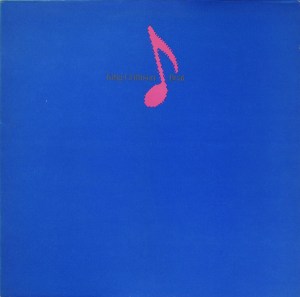
King Crimson: Beat @ 35

If you were to ask fans of 1980s King Crimson why they love the band, lyrics probably wouldn’t be a priority.

But, pushed hard by Robert Fripp and possibly influenced by the 25th anniversary of Jack Kerouac’s ‘On The Road’, Adrian Belew came up with some choice words on Beat, the excellent second album from this remarkable quartet which was released 35 years ago today.

References to the Beat writers abound; ‘Neal and Jack and Me’ concerns Kerouac and his best friend Neal Cassady and mentions several significant Kerouac works; ‘Heartbeat’ is the name of a book written by Cassady’s wife Carolyn about her experiences with the Beats; ‘Sartori In Tangier’ references the Moroccan city where a number of Beats resided; ‘Neurotica’ shares its title with a very influential Beat-era magazine; and presumably ‘The Howler’ refers to Allen Ginsberg’s ‘Howl’.

As the saying goes, you take inspiration where you find it, and Belew had come up with a very handy concept on which to hang the new band improvisations.

Musically, Beat is a brilliant development of the Discipline sound. ‘Neurotica’ and ‘The Howler’ feature some remarkable, unhinged ensemble playing, teetering on total chaos.

On the latter, Bill Bruford delivers intricate patterns on his acoustic/electric kit (with shades of Steve Reich, acknowledged with Bruford’s credit for ‘Drumming’).

Belew’s white-noise guitar outburst is a killer (he repeats the trick on ‘Waiting Man’ and ‘Neal’, extending his palette of sounds from Discipline and sometimes tuning his high E string down to a C).

‘Sartori’ is a superb vehicle for Fripp while ‘Waiting Man’ demonstrates the amazing rhythm dexterity of the band, a development of the ‘Village Music’ concept with Bruford and Tony Levin sharing a tricky 3/4 figure (joined by Belew on drums when they played it live) underneath an expressive vocal performance.

There’s even a noble, painless attempt at a pop hit with ‘Heartbeat’. The only track that outstays its welcome is ‘Requiem’, a fairly dreary investigation of A-minor.

In short, the musical intelligence of this unit was pretty damn scary. But they never neglected a crucial factor: melody. Lesser bands might have built their entire careers on any Beat song.

Not surprisingly, tensions were high during the London recording sessions. Echoing the situation with The Police around the same time, they sought out a producer who might act as peacemaker.

Fripp told writer Anthony DeCurtis in 1984: ‘We tried to get someone from the outside to organise it: Rhett Davies. I think if failed. I would rather have the wrong judgement of a member of the band than the right judgement of someone outside the band.’

Also, Belew was now very much the centre of attention and under pressure to produce melodies and lyrics to order.

According to Bruford’s autobiography, Belew told Fripp to leave the studio after one too many barbs from the bespectacled Wimbornian, who ‘went straight back to Dorset and was silent for three days’. Only some desperate calls from Bruford and manager Paddy Spinks rescued the situation.

In the same 1984 interview as above, Fripp said of ’80s Crimson: ‘I feel I’ve created a field in which other people can discover themselves’. On the evidence of Beat, he did a fine job.