‘Wendy & Lisa’: 30 Years Old Today

Los Angeles, October 1986, just after the Japanese leg of the ‘Parade’ tour: Prince invites his bandmates Wendy Melvoin and Lisa Coleman to dinner (Lisa will later report in her excellent liner notes for the Wendy & Lisa 2013 reissue that she ‘knew something was up’ as soon as they arrived).

To cut a long story short, he gives them the boot – in the nicest possible way. The Revolution is no more.

Lisa: ‘We were like Fleetwood Mac and Sly & The Family Stone rolled into one… I thought we were going to make records together for the rest of our lives.’ But Prince wants to take back his freedom and sex up his act again. Struggling for the right words, apparently he says to Wendy and Lisa: ‘I can’t ask you to wear crotchless panties or nippleless bras…’

After a period of introspection, the ladies get together with other former Revolution member Bobby Z to write a few songs. At this stage, they have no intention of releasing the new material as ‘Wendy & Lisa’. But once they agree to front the band, a record company bidding war ensues. Huge advances are mentioned. They settle on a ‘big but sensible deal’ with Virgin.

Predictably, the suits are less than turned on by the more musicianly moments on the album, but the ladies are unapologetic, saying that they ‘wanted to show off all the colours in our crayon box’.

So much for the history. How does Wendy & Lisa stack up these days? Apart from some fairly unsavoury drum sounds, pretty well. The singles ‘Sideshow’ and ‘Waterfall’ are probably the weakest tracks, though the latter has a cracking chorus and was apparently deemed a surefire hit by the record company and musician friends. But it didn’t do the business, not helped by its rather humdrum video. As Lisa says in the liner notes: ‘I had paid my showbiz dues with The Revolution.’

But the album works brilliantly when it sticks to the ‘cool chord changes over good beats’ remit, when they genuinely do sound like a mashup of ’80s Joni Mitchell and Prince. ‘Honeymoon Express’ exemplifies this approach, nicking Sly Dunbar’s ‘My Jamaican Guy’ beat and adding a sumptuous melody. The vocal harmony in the chorus is just sublime.

‘Light’, ‘Everything But You’ and ‘Chance To Grow’ also succeed in a similar vein. Wendy’s multi-instrumental skills (vocals, guitar, bass, sometimes drums) and Lisa’s impressionistic synth parts mesh perfectly. ‘Song About’ sounds eerily like The Carpenters. Ballads ‘The Life’ and ‘Stay’ have become fan favourites, the former also turning up in an improved Trevor Horn-produced reworking on the soundtrack of Michelle Pfeiffer movie ‘Dangerous Minds’.

The instrumental ‘White’, featuring Tom Scott on soprano and a killer bit of drum machine programming by Wendy, is possibly the standout. Test your speakers out with this one, kids.

Wendy & Lisa – perhaps surprisingly – was not a hit. Lacking a breakout single, it didn’t dent the US top 100 and only scraped to #84 in the UK. Better Wendy & Lisa albums would follow, but this is an ambitious, arresting debut. All the colours in the crayon box indeed.

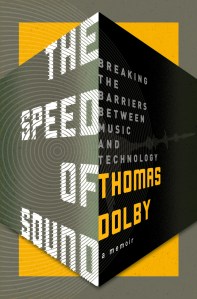
Book Review: The Speed Of Sound by Thomas Dolby

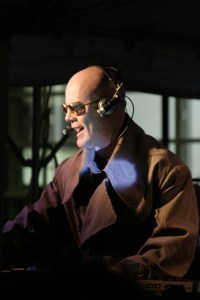
A cursory survey of Dolby’s musical career reveals that he’s a pivotal figure by any standards, collaborating with Prefab Sprout, Stevie Wonder, Eddie Van Halen, Jerry Garcia, George Clinton, Herbie Hancock, Trevor Horn, David Bowie, Def Leppard, Joni Mitchell…

And that’s not even factoring in the excellent solo albums and technological innovations (he created the software for the first popular mobile ringtones).

So if it’s pithy, musicianly anecdotes and the bittersweet memories of an Englishman (mostly) abroad you’re after, his enjoyable autobiography ‘The Speed Of Sound’ certainly does the business. But, as we’ll see, it’s very much a book of two halves.

A music-and-technology-mad teenager, Thomas Morgan Robertson first builds up his performing chops during a lengthy period of busking in Paris, finding out quickly that playing ‘Stairway To Heaven’ is the only way to make any money.

Returning to London, he’s in the right place at exactly the right time and on the verge of launching his solo career when summoned across the pond to work on Foreigner 4.

Christened ‘Booker T Boofin’ by the AOR legends for his considerable efforts, it nonetheless turns out to be a not entirely edifying entrée into the world of mega-bucks recording.

Then there’s solo-artist fame in the US, tempered by difficult video shoots, stage fright and the occasional debilitating panic attack. He’s summoned by Michael Jackson to come up with a few new post-Thriller tunes. It doesn’t end well.

His tours are well-attended but lose money and his second major single release ‘Hyperactive’ and attendant solo album The Flat Earth flatline partly due to dodgy record company ‘accounting’.

It’s a chastening experience; he focuses more on production work in the mid-’80s and any fans of Prefab’s Steve McQueen and Joni Mitchell’s Dog Eat Dog will find loads to enjoy here.

But Dolby inadvertently locks horns with Joni and finds himself sending in keyboard parts and arrangement ideas from Jenny Agutter’s spare room. Only in LA…

We get the inside story of his appearance with David Bowie’s at Live Aid (with only three short rehearsals), hear about a hilarious fishing trip with George Clinton and a memorable serenading by Stevie Wonder in a studio broom cupboard.

Then there’s an enjoyable detour into the world of movie soundtracks, ‘hanging out’ with George Lucas and meeting the love of his life in LA. By the early ’90s, we’re deep in ‘Spinal Tap’ territory when Dolby has amusingly mystifying dealings Eddie Van Halen and Jerry Garcia.

So far so good. But the second half of ‘Speed Of Sound’ focuses on Dolby’s lengthy sojourn in Silicon Valley. Depending on your taste, this will either be a trial or treat. I skipped large chunks of it.

I wanted a lot more music and a lot less tech, and you sometimes get the feeling Dolby did too throughout that period (he frequently laments the fact that his more ‘personal’ music on Aliens Ate My Buick and Astronauts & Heretics failed to find an audience).

The other issue – hardly Dolby’s fault of course – is that everyone seems to be writing a memoir these days and it only emphasises the dearth of decent recent music. And slightly lessens the mystique of the best ’80s material. I’d trade one more decent Dolby solo album for any number of ‘Speed Of Sound’s… But it’s still a very enjoyable read.

‘The Speed Of Sound’ is published now by Icon Books.

Dolby discusses the book here.

Larry Carlton: Last Nite 30 Years On

In a previous piece about Robert Cray, I talked about ‘touch’ guitarists, those whose sounds are almost entirely in their fingers and not dependent on pedals or amps.

Larry Carlton is certainly one of them. He played some of the great guitar of the 1970s with Steely Dan, The Crusaders, Michael Jackson and Joni Mitchell, his sound characterised by a deceptively ‘sweet’ take on the blues, alongside elements of jazz and rock. In the early ’80s, he put out some fine studio albums including Sleepwalk and Friends, but ’87’s Last Nite was his first official live release.


And what an album. In 1987, I was a big fan of his playing with Steely Dan but had never heard any of his solo stuff. A glowing review of Last Nite in Q Magazine sent me scuttling off to my local Our Price. Recorded on 17th February 1986 at the Baked Potato club in North Hollywood, the album is Larry uncut, blowing on a mixture of originals and jazz standards, with no thought of commercial or airplay potential.

It’s hard to think of another guitarist who could cover such a stylistic range so effortlessly. He kills on the slow blues, tears up the fast Texas-style shuffle, delivers deliciously ‘out’ fusion on the title track and swings his ass off on ‘All Blues and ‘So What’, though with a pleasingly piercing tone as opposed to the warm sound favoured by most ‘jazz’ players.

He’s also endlessly melodic, producing memorable phrase after memorable phrase. But don’t be fooled by the beatific expression and cream jacket – he isn’t afraid of throwing in some pretty wacky modal curveballs too.

Another key aspect of Last Nite is Carlton’s band. He uses the cream of the LA studio scene – John ‘JR’ Robinson on drums, Abe Laboriel on bass, Alex Acuna on percussion – and brings them right out of their comfort zone. Apparently they didn’t know ‘So What’ and ‘All Blues’ were on the setlist until Larry called them.

JR in particular is a revelation, sounding like he’s been cooped up in the studio for far too long. And who knew he could swing like he does on the jazz cuts. Keyboard player Terry Trotter also impresses with his rich voicings and empathetic accompaniment.

Sadly, Last Nite turns out to be a bit of an anomaly in Larry’s discography, marking the beginning of an era when he was veering more and more towards a much smoother studio sound. But he’s always ripped it up in the live arena and has spent a lot more time on the road in his later years.

Happy birthday to a true guitar classic.

Winter Music

winter-music

Richmond Park, UK, winter 2016

So the evenings draw in, Christmas clogs up the telly and hygge is all over the Sunday supplements. You contemplate your navel and your age and comment on how quickly the year has gone by…again.

And if you listen to music a lot, chances are you’ll probably notice how your tastes change as the season eases from autumn to winter. This may have happened when winter turned to spring too, but something a bit more introspective might be called for when your football team starts sliding and the heavy stuff comes out of storage and into your wardrobe.

Here are nine ’80s tracks that instantly say winter to me, calling at Ambient, Eerie and Lovelorn:

9. Pat Metheny Group: ‘Distance’ (1987)
This is the only track from the Still Life (Talking) album I can listen to these days. Lyle Mays’ composition sticks out like a sore thumb on that 1987 collection, a challenging, spooky piece with a touch of serialism that suggests Very Bad Things… A soundtrack for a movie that never was.

8. Roxy Music: ‘To Turn You On’ (1982)
Ferry’s tale of long-distance love for someone very unsuitable. He’s in London, she’s in New York. She possibly has some kind of ‘ailment’ – drug addiction? Mental health problem? (You may be reading too much into this… Ed). He is hopelessly and rather tragically smitten. One of Ferry’s finest ballads with a crackerjack band (Paul Carrack, Rick Marotta, Alan Spenner, Neil Hubbard) bringing it to life.

7. David Sylvian: ‘Pop Song’ (1989)
I could have chosen any amount of Sylvo tracks but have settled on this stand-alone 12” single, his cheeky response to Virgin Records’ request for one more solo hit (which never materialised). It paints a fairly bleak portrait of late-’80s Britain as a nation of clock-watching factory workers numbed by banal pop music, featuring microtonal synths, Steve Jansen’s clever drum layering and close-interval piano work from the late John Taylor.

6. U2: ‘4th Of July’ (1984)
Ostensibly a duet for bass (though surely that’s not Adam Clayton?) and ‘infinite guitar’ (The Edge put through Eno’s processing systems), U2’s first bash at pure ambience was a minor masterpiece. To say one doesn’t miss Bono’s voice would be an understatement. As far as I know, the band have never attempted anything similar since – more’s the pity.

5. The Sundays: ‘Skin & Bones’ (1990, recorded in 1989)
The unforgettable lead-off track from the classic Reading, Writing & Arithmetic album. The Cocteau Twins meets The Smiths? You betcha.

4. Mark Isham: ‘In The Blue Distance’ (1983)
Isham’s plaintive trumpet and atmospheric keyboard playing create a sombre yet uplifting winter masterpiece.

3. Joni Mitchell: ‘Chinese Cafe (Unchained Melody)’ (1982)
I first heard this nostalgic classic in late 1983 and it was my first exposure to Joni’s music. I’ve never forgotten it and will forever associate it with this time of year.

2. Love & Money: ‘Inflammable’ (1988)
One of many great torch songs penned by James Grant, featuring on the late-’80s classic Strange Kind Of Love. ‘I go looking for what I want in the wrong places’ – there’s a winter mantra for urban singletons right there…

1. Lloyd Cole: ‘Are You Ready To Be Heartbroken?’ (1985)
Let’s face it, winter can also be haunted by ghosts of failed romances, stolen moments and disastrous Christmas flings. This classic covers all that stuff very efficiently with a nice line in black humour.

Check out the playlist on Spotify (a few tracks not currently available).

Bigmouth Strikes Twice: More Classic 1980s Music Quotes

Art_Blakey_1973

Art Blakey

Here’s another selection of choice quotes taken from various 1980s magazines, TV shows, biographies and anthologies that have drifted through my transom in the last few months.

Check out the first instalment here if you missed it.


‘Morrissey’s a precious, miserable bastard. He sings the same song every time he opens his mouth. At least I’ve got two songs: “Love Cats” and “Faith”.’

Robert Smith of The Cure, 1985


‘George Clinton told me how much he liked Around The World In A Day. You know how much more his words mean than those from some mamma-jamma wearing glasses and an alligator shirt behind a typewriter?’

Prince, 1985


‘It would be nice to meet Madonna and squeeze her bum.’

Level 42’s Mark King looks forward to his first US tour, 1986


‘I hope nobody bought houses.’

Slash/Warners executive Bob Biggs upon hearing a preview of Faith No More’s Angel Dust album (OK, this quote is from the early 1990s, but wtf…). The band had bought houses…


‘The musician is like a house, and the music is like a friend that’s always out there knocking on the door, wanting nothing more than to come in. But you’ve got to get your house in order for music to come in. That’s where discipline comes in.’

Robert Fripp, 1984


‘Like the first side. The second side is rubbish. Miles don’t play jazz no more but feels kind of funny about it, so instead of just admitting that his chops aren’t what they used to be, he puts jazz down.’

Branford Marsalis on Miles Davis’s Tutu, 1986


‘Remember the hits? “Labour Of Love” was inspired by Antonio Gramsci, a love song called “Violently” and a tale of kitchen-sink realism about wife battery called “Looking For Linda”. We heard those songs on Radio 1 back to back with Yazz and we’d piss ourselves laughing. We pulled off the trick three times and I always think that lyrically I can pull it off again.’

Hue & Cry’s Pat Kane remembers the good old days, 1995


‘I have to be myself, and if being in rock music forces me to pretend I am an idiot or that I have to wear tight trousers or a wig, then I have to get another job.’

Sting, 1988


‘I heard the title song (‘Storms’) on the radio and the drum sound still makes me want to cry. I love Glyn (Johns, producer) but there were times during that album when I went back to the hotel to cry.’

Nancy Griffith on her 1989 album Storms, 1991


‘I would say that my entire life has been one massive failure. Because I don’t have the tools or wherewithal to accomplish what I want to accomplish.’

Frank Zappa, 1986
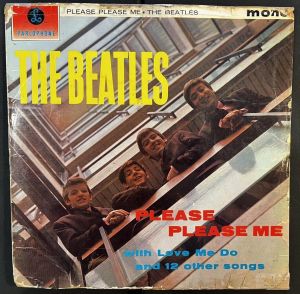
 

‘I went into the old EMI offices many times in the late ’80s and it never occurred to me to look up in reception and see exactly where that iconic photo had been taken. In the ’80s it seemed we had been looking forward.’

David Hepworth on the famous Beatles photo from the cover of Please Please Me


‘I tried the Jesus and Mary Chain but I just couldn’t believe it. It’s awful! It was so sophomoric – like the Velvets without Lou. I just know that they’re kids from Croydon! I just can’t buy it.’

David Bowie, 1987


‘I was surprised how hip it is. There’s a strange thing I don’t understand of people in Boy George outfits dancing to Jimmy McGriff and old Jackie McLean Blue Note records in discos.’

Guitarist John Scofield on the latest English ‘jazz revival’, 1988


‘Songwriting’s a craft, that’s all. I always knew my lyrics were better than anyone else’s anyway. I just edit more than other people, that’s my f***in’ secret. Also I never sleep and that helps too. You’ve got more time that way.’

Shane MacGowan, 1989


‘I hate having my picture taken, I always look like such a dog.’

Kirsty MacColl, 1989


‘I was a patsy. I never made more than $200 a week at the Five Spot.’

Ornette Coleman looks back on his legendary six-month residency during 1959 and 1960, 1985


‘All of us were naive, not just Ornette. We couldn’t even pay our rents. And they were making lots of money off us. That club was jammed every single night we were there.’

Charlie Haden on the same residency, 1985


‘You walk into the record label and they just weren’t as friendly as they used to be. When the record’s not a success, it’s your fault, and so you take on all those feelings. The label doesn’t sit down and talk to you. And they don’t drop you either, because they don’t want to lose you to the competition – just in case you do come up with something good next. And so they just remain sort of not as friendly, no more: “Hey Kevin, how are you?” It’s a head-f*ck, and you just have to work it out yourself.’

Kevin Rowland on the commercial failure of his 1988 solo album The Wanderer


‘Pop stars live the life of Caesar. And we know where the life of Caesar leads: it leads to blankness, it leads to despair. That’s the real message of these rock stars’ lives. To the public, they represent vitality, youth, innocence, joy. But in private life they represent despair and an infatuation with death.’

Albert Goldman, author of ‘The Lives Of John Lennon’ and ‘Elvis’, 1988


‘I remember sitting next to the stage and seeing all those little red lights glowing on the amps while we waited for the guys to come out and give us a real pasting.’

Allan Holdsworth reminisces about early gig-going, 1985


‘I have the best legs in the business. And they’ve got dancing feet at the bottom.’

David Lee Roth, 1982


‘There’s only one woman I have deep respect for in this industry and that’s Chrissie Hynde.’

Annie Lennox, 1986


‘I would have thought that people would be pleased to have a band that could play half decently.’

Francis Dunnery bemoans It Bites’ poor standing with the British music press, 1989


‘Sometimes he would call for Monk out of the clear blue sky. “Thelonious! Come save me from these dumb young motherf*ckers!”‘

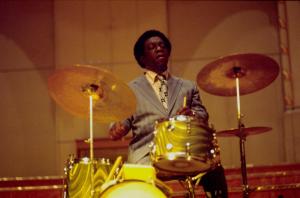
Wynton Marsalis on playing with Art Blakey in the early 1980s


‘Prince really wants to be white. I know what that’s like. I tried hard to be white too.’

Daryl Hall, 1985


‘What we do is an alternative to Elton John and Chris Rea and all those old bastards who were there and still are. It’s embarrassing to see these old people like Dire Straits doddering about, they’re hideous.’

Robert Smith, 1989


‘I’ll tell you what I dig. In the Sting movie “Bring On The Night”, Omar Hakim taking off on that tune. Like Tony Williams, Jack DeJohnette. That’s being real free and comfortable. I don’t take my drums seriously, and they do.’

Drummer for the stars Jeff Porcaro, 1989


‘I believe that Bill (Bruford) and Adrian (Belew) thought that Beat was a better album than Discipline. I have no idea how anyone could come to that conclusion.’

Robert Fripp of King Crimson, 2022


‘Thanks for letting me drop by, guys. Hope I didn’t ruin your album.’

Herbie Hancock bids farewell to Simple Minds after playing a synth solo on their 1982 song ‘Hunter And The Hunted’


‘You should have seen us trying to sound like Windham Hill. We’d fall on our butts, man. I learned that you can’t fake it.’

’70s jazz/rock pioneer Larry Coryell on his mid-’80s collaboration with violinist Michal Urbaniak, 1985


‘We weren’t asked but we wouldn’t have done it anyway.’

Robert Smith on Live Aid, 1985


‘The band is getting back together and playing, maybe every six months or every year. If I can do so without it being public knowledge, that would be great. But I can’t do it, obviously. It would be nice to play together just as friends.’

Jimmy Page on Led Zeppelin reunions, 1986


‘I really, really would like to be in Led Zeppelin again. Whether or not time allows that to happen, I don’t know.’

Robert Plant on Led Zeppelin reunions, 1988


‘I’m a Catholic, and I would just ask God to to please help me find my own style. It’s not going to be like Tony or Elvin, so that when you hear me on a record, you know it’s Al Foster on the drums.’

Al Foster on his ‘stomping’ hi-hat technique, 1989


‘I feel I’ve created a field in which other people can discover themselves. I’m disappointed that they don’t create the room for me to discover myself.’

Robert Fripp on his King Crimson bandmates, 1984


‘I find therapy enormously valuable. It’s like car maintenance, send yourself in to be serviced every few thousand miles and, with any luck, it stops major problems developing.’

Peter Gabriel, 1989


‘I went to see this band INXS from Australia. They were on OK band, very much like a version of the Rolling Stones, but not as good. The singer is good and he looks great, but he doesn’t really move. He can’t be expending much energy.’

Mick Jagger, 1988


‘The band was like a fake democracy. Henley and I were making the decisions while at the same time trying to pacify and cajole the others.’

Glenn Frey looks back on The Eagles, 1988


‘(Jeff) Beck’s was a miserable f***ing band, horrible. Beck is a miserable old sod, but I do love him as a guitar player.’

Rod Stewart, 1988


‘I’ve always found it easier to write for other people. I feel terrible inhibited about writing for me. It’s only in the last few years that I’ve resigned myself into believing that I’m a moderately good singer.’

David Bowie, 1988


‘Of my writing partners since John (Lennon), Denny Laine was obviously nowhere near as good. Stevie Wonder is very good, but he’s not a lyricist. Michael Jackson is not as good of a writer as he is a performer. And Eric Stewart was good, but again, not as good as John.’

Paul McCartney, 1988


‘This new Clash compilation, which is meant to have sold a million copies, should be making me a rich man, but someone told me you only get quarter royalties for compilations. The CD wasn’t invented then so that wasn’t in the contract either. So I think I don’t get them royalties either. To tell the truth, I think we’re all a bit skint really.’

Joe Strummer on the legacy of The Clash, 1988


‘Those weird people on the street – every hundreth weirdest one has a Steely Dan record at home. That guy who hijacked a bus today probably has 47 copies of The Royal Scam.’

Walter Becker on Steely Dan’s audience, 1981


‘In 1981, something happened which changed my way of working with music. I woke up on a friend’s sofa in New York and simply understood something I’d known for a while: music was always present, completely with a life of its own, as a friend.’

Robert Fripp, 1984


‘The price of a ticket goes from two dollars to 20 dollars, the act doesn’t do an encore, someone has to stand in a long line, and it’s all my fault.’

Bill Graham on stadium rock, 1988


‘There are a lot of people who didn’t make a commitment and now they’re no longer with us. We lost Otis Redding, Sam Cooke, Jackie Wilson, Jimi Hendrix. I think maybe some of them didn’t know where or when to get off. The important thing is to be here.’

Al Green, 1988


‘Hell, we steal. We’re the robber barons of rock’n’roll.’

Donald Fagen of Steely Dan, 1981


‘After recording it, I flew off to see my manager and I said to him, “You’d better watch who you’re talking to. I’m the guy who wrote “Addicted To Love!”‘

Robert Palmer, 1988


‘I get the fans who write poetry. I have a slight David Sylvian audience, whereas Chris (Lowe) gets the sex audience, the ones who write obscene letters! It’s quite thrilling, actually!’

Neil Tennant of The Pet Shop Boys, 1988


‘It was the Enniskillen bombing that did it. The man whose daughter died beside him under the rubble; he was burning inside but he was so forgiving, so gracious. I thought, Christ, this is what courage is all about – Elton, just shut up and get back to work. After all, once you’ve been exposed naked on the cover of The Sun you ought to be able to face anything…’

Elton John on his 1988 comeback


‘It’s a better product than some others I could mention.’

David Bowie defends the Glass Spider Tour, 1987


‘Back then I thought I’d lost it and I did a bunch of things I was really unhappy with – all in public and on record. But it turned out not to be true. My ability hadn’t deserted me. And it won’t go away. Ever.’

Lou Reed, 1988


‘Michael Jackson’s just trying to cop my sh*t. I was insane years ago…’

Neil Young, 1988


‘I’ve said a lot of things in my time and 90 percent of them are bollocks.’

Paul Weller, 1988


‘We were excellent. Some of the best records of the ’80s are there. For the last six months of Wham!, it was OK to like us, we got a little hip. I cannot think of another band who got it together so much between the first and second albums. On Fantastic, you can tell I don’t think I’m a singer but some vocals on Make It Big are the best I’ve done. Even if we were wankers, you still had to listen.’

George Michael reassesses Wham!, 1998


‘The gig I have as the drummer in King Crimson is one of the few gigs in rock’n’roll where it’s even remotely possible to play anything in 17/16 and stay in a decent hotel.’

Bill Bruford, 1983


‘When I toured with The Rolling Stones, the audience would come up to me after the show and say, “Man, you’re really good, you ought to record.” How do you think that makes me feel after 25 years in the business?’

Bobby Womack, 1984


‘I find politics ruins everything. Music, films, it gets into everything and f*cks it all up. People need more sense of humour. If I ran for President, I’d give everybody Ecstasy.’

Grace Jones, 1985


‘I’m not the most gifted person in the world. When God handed out throats, I got locked out of the room.’

Joe Elliott of Def Leppard, 1988


‘I’m lazy and I don’t practice guitar and piano because I’ve gotten involved with so many other things in my life and I just had to make a sacrifice. Stephen Sondheim encourages me to start playing the piano again. Maybe I will.’

Madonna, 1989


‘Nile (Rodgers) couldn’t afford to spend much time with me. I was slotted in between two Madonna singles! She kept coming in, saying “How’s it going with Nile? When’s he gonna be free?” I said, “He ain’t gonna be free until I’m finished! Piss off!”’

Jeff Beck, 1989


‘I’ve never really understood Madonna’s popularity. But I’ve talked to my brothers and they all want to sleep with her, so she must have something.’

Nick Kamen, 1987


‘They ask you about being a Woman In Rock. The more you think about, the more you have to prove that you’re a Woman In Rock. But if you’re honest, it doesn’t matter whether you’re male or female. That’s the way we work.’

Wendy Melvoin, 1989


‘In Japan, someone told me I was playing punk saxophone. I said, “Call me what you want, just pay me”.’

George Adams, 1985


‘In the past, we’d bump into other musicians and it would be, “Oh, yes, haven’t I heard of you lot? Aren’t you the bass player that does that stuff with your thumb?” But once you’ve knocked them off the number 1 spot in Germany, they’re ringing you up in your hotel and saying, “Hey, howyadoin’? We must get together…”‘

Mark King of Level 42, 1987


‘We played London, we played Ronnie Scott’s, and I noticed that there were a lot punk-rock kids in the audience. After we finished playing, we had to go to the disco and sign autographs, because “Ping Pong”, the thing we made about 30 years ago, is a big hit over there.’

Art Blakey, 1985


‘I believe music – just about everything – sounds better these days. Even a car crash sounds better!’

Miles Davis, 1986


‘It’s a dangerous time for songwriters in that a monkey can make a thing sound good now.’

Randy Newman, 1988
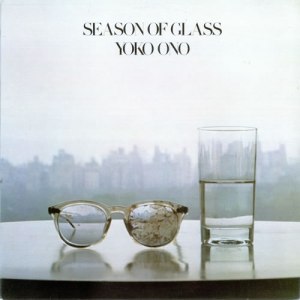
Yoko+Ono+Season+Of+Glass+522787


‘To have those glasses on the cover was important because it was a statement and you have to understand that it was like John wanted you guys to see those glasses.’

Yoko Ono, 1989


‘I’ll f*cking… I’ll go and take on anyone, any white singer who wants to give me a go.’

Matt Goss of Bros, 1989


‘I’ve never said this before but my drums is so professional, man, know what I mean?’

Luke Goss of Bros, 1989


‘I hate parts of my own albums because I know I’m hearing something that doesn’t translate to piano. In fact, I’m being dishonest by playing piano at all.’

Keith Jarrett, 1987


‘When I began to see how Elvis lived, I got such a strong take off of it. It was all so revolting!’

Albert Goldman, 1988


‘The best way to make great art is to have it trivialised by other people as much as possible. That way, you fight and fight and fight.’

Julian Cope, 1989


‘Whatever you’re tops in, people is trying to bring you down, and that’s my philosophy.’

Samantha Fox, 1987


‘Call me fat and I’ll rip your spine out.’

Ian Gillan, 1983


‘Sure I care about my fans. Because fans is money, hahaha. Muh-neee! And who does not care about money? Me, I like muh-neee, haha.’

Chuck Berry, 1988


‘I have this long chain with a ball of middle-classness at the end of it which keeps holding me back and that I keep sort of trying to fight through. I keep trying to find the Duchamp in me.’

David Bowie, 1980


‘People who say, Oh, I don’t know anything about music – they’re the people who really do know about music because it’s only really what it does to you.’

Steve Winwood, 1988


‘I notice that critics and others don’t credit black people with the ability to write ingenious, creative lyrics.’

Nile Rodgers, 1981


‘I’m below the poverty line – I’m on £16 a week. We needed some clothes and our manager said, “I don’t know what you do with your money. I mean, 16 quid!”’

Gary Daly of China Crisis, 1984


‘You take four or five of those rattlesnakes, dry ’em out and put them inside your hollow-box guitar. Lightnin’ Hopkins taught me that trick.’

Albert Collins on his guitar tone, 1988


‘People are bored with Lionel Richie going “I love everybody, peace on earth, we are the world…” F*ck that! People love bastards.’

Terence Trent D’Arby, 1987


‘Epstein dressed The Beatles up as much as he could but you couldn’t take away the fact that they were working-class guys. And they were smart-arses. You took one look at Lennon and you knew he thought the whole thing was a joke.’

Billy Joel, 1987


‘I remember when the guy from Echo & The Bunnymen said I should be given National Service. F*** him...’

Boy George, 1987


‘No-one should care if the Rolling Stones have broken up, should they? People seem to demand that I keep their youthful memories intact in a glass case specifically for them and damn the sacrifices I have to make. Why should I live in the past just for their petty satisfaction?’

Mick Jagger, 1987


‘The industry is just rife with with jealousy and hatred. Everybody in it is a failed bassist.’

Morrissey, 1985


‘I couldn’t stand it – all that exploitation and posturing, the gasping at the mention of your name, the pursuit by photographers and phenomenon-seekers. You get that shot of adrenalin and it’s fight or flight. I chose flight many a time.’

Joni Mitchell, 1988


‘I’m strongly anti-war but defence of hearth and home? Sure, I’ll stick up for that… I’m not a total pacifist, you know? I’ve shot at people. I missed, but I shot at them. I’m sort of glad I missed…’

David Crosby, 1989

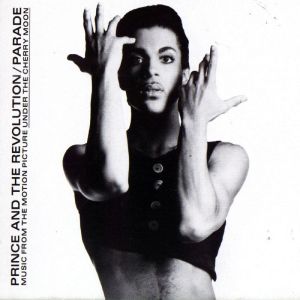
Prince: Parade 30 Years Old Today

princeOn 17 April 1985, just ten days after the end of the Purple Rain tour, Prince walked into LA’s Sunset Sound studios, sat at the drums, taped the lyrics of four new songs onto a music stand, picked up his sticks and instructed engineer Susan Rogers: ‘Don’t stop the tape when I stop playing. Just keep rolling.’

He then played through ‘Christopher Tracy’s Parade’, ‘New Position’, ‘I Wonder U’ and ‘Under The Cherry Moon’ without pausing. This guy worked fast. The recording sessions for Parade had begun.

The album would see Prince continue his extraordinary mid-’80s run of form, surely comparable to Stevie Wonder’s fabled 1972–1976 period. He couldn’t release albums fast enough and the wider world was waking up to just how prolific he really was.

His striking new horns-and-orchestra-driven sound, by turns jazzy, funky and psychedelic, lost him some fans in the States but made him a huge star in Europe. Parade showed off the amazing versatility of Prince (drums, bass, guitar and keyboards) and his main collaborators Wendy (guitar) & Lisa (keyboards).

It’s an anti-boredom album full of glorious contradictions – it features his first instrumental track but still contains four classic dancefloor singles; it’s his densest, most ‘produced’ ’80s album (alongside Lovesexy) and yet features his first all-acoustic track, recorded completely live in the studio; Clare Fischer’s orchestral arrangements are always high in the mix but rub shoulders with the Sunset Sound’s ancient sound effects library; Prince utilises ultramodern tech like a guitar synth and a Fairlight sampler, but the main solo instruments are Eric Leeds’ tenor and baritone sax. And there is zero electric lead guitar, barely 18 months after Purple Rain.

References this time around were The Beatles, ’80s Miles Davis, show tunes and funk-era James Brown. The biggest influence though is late-’70s Joni Mitchell. Parade is the nearest Prince ever got to the kaleidoscope range of her classic albums Don Juan’s Reckless Daughter and Hissing Of The Summer Lawns.

There were also more vocals in Prince’s music than ever before: Wendy, Lisa, Susannah (Wendy’s sister and Prince’s fiancée) and Sheila E all contributed massively to the occasional West Coast/Bangles sound.

By 2 June 1985, nine songs for Parade were in the can, though three would later be left off the final album – the spooky ‘Others Here With Us’, fantastic ‘All My Dreams’ and superfunky ‘Sexual Suicide’. Prince was also now working on not one but two other albums, Jill Jones and Mazarati’s debuts. By late June, he was also scouting locations in the south of France for the upcoming ‘Under The Cherry Moon’ movie. But, true to form, he couldn’t stop recording – he set up a makeshift recording studio in his Antibes hotel suite.

Parade‘s first three tracks – ‘Christopher Tracy’s Parade’, ‘New Position’ and ‘I Wonder U’ – pass by in the blink of an eye, gloriously odd, genuinely psychedelic funk miniatures. Very few have taken on the mantle of this style of music since 1986, though D’Angelo had a good go on the superb Voodoo album.

utcm-1

‘Under The Cherry Moon’ is almost a ’30s-style jazz number featuring asthmatic synths, fantastic piano playing and a daring melody line. I’d like to hear Tom Waits’ cover. If you listen very closely, you can hear the rattle of Prince’s necklace as he lays down the drum track.

‘Girls And Boys’ is a classic one-chord funk tune whose blaring guitar synth adds an engaging weirdness. Saxophonist Eric Leeds makes his mark on Prince’s music for the first time (though had already featured prominently on The Family’s album).

‘Life Can Be So Nice’ features fake harpsichord, sampled flute, piercing cowbell, some intricate acoustic guitar and a heavily-treated kick drum. It’s discordant and thrilling with an envelope-pushing vocal arrangement and some bizarre lyrics. The last minute of the song is a Latin/fusion jam in the Santana or Weather Report vein.

‘Venus De Milo’ is a sumptuous piece of symphonic muzak with some gorgeous trumpet from Matt Blistan (renamed Atlanta Bliss by Prince) while ‘Mountains’ is another classic single, largely penned by Wendy & Lisa. The 12” mix has to be heard. ‘Do U Lie’ is an intoxicating little slice of soft jazz with cocktail guitar, spoken word, strings and accordion.

‘Kiss’ is another effortless classic. It was the first single to be released from Parade, hitting US number one in April ’86, though apparently loathed by the Warner Bros suits. Initially given to the band Mazarati for their debut album, it was reclaimed by Prince when he realised the potential of the track. He kept their backing vocals and gave them some money.

‘Anotherloverholenyohead’, recorded on 16 December 1985, was the last track recorded for Parade. Lisa’s crystalline, densely-voiced piano sounds like it was recorded in a school assembly hall, and there’s more peculiar guitar synth and a few incredible bass runs from Prince. The full-length version made for another classic 12” single. Album-closer ‘Sometimes It Snows In April’ is Joni all the way. Its improvised, rubato prologue is very reminiscent of the opening to Mitchell’s ‘Cotton Avenue’.

Prince delivers an amazing lead vocal but the song needs a stronger chorus (‘Sometimes I feel so bad’) and Wendy & Lisa’s backing vox are extremely rough. The track divides opinion – some find it moving, some mawkish (I’m in the latter camp) – but it was a pretty brave choice to close such an important album.

The Parade sessions also spawned some fantastic B-sides: ‘Alexa De Paris’, ‘Sexual Suicide’, ‘Power Fantastic’, ‘4 The Tears In Your Eyes’, ‘Love Or Money’, ‘All My Dreams’ and the notorious ‘Old Friends 4 Sale’. All are well worth seeking out. Despite the success of ‘Kiss’ in the States, three follow-up singles peaked outside the top 50. Prince believed that Warner Bros’ choice of second single (‘Mountains’) was wrong – it should have been ‘Girls And Boys’.

Parade sold considerably less (1.8 million) in the States than Purple Rain (10 million) and Around The World In A Day (4 million). But in Europe, it was a huge hit. Then came the European tour. A funk revue. Horns, dance routines, backing vocals. Again, virtually no lead guitar. Europe loved him – there were riots in Holland – but the tour didn’t even make the States, which many insiders believe was a big mistake. Instead, there were several separate shows under the banner of the Hit & Run Tour.

But then it was all change: Wendy & Lisa were out of the band, Prince and Susannah had broken off their engagement and ‘Under The Cherry Moon’ had stiffed. But there were still a couple of amazing albums left in the tank before Prince’s ’80s were out.

Joni Mitchell: Dog Eat Dog 30 Years Old Today

joni_mitchell-dog_eat_dog(2)Most music fans of a certain age probably had their favourite ‘Walkman albums’, those cassettes that worked perfectly on headphones, revealing intricacies (weird panning effects, funky little motifs, stereo drum kits) rarely noticed when played on normal speakers.

As much as I had loved Joni Mitchell’s music ever since my dad played me ‘Chinese Cafe (Unchained Melody)’ in 1983, I’d never have predicted that the superb Dog Eat Dog – released on 30 October 1985 – would turn into one of my top headphone albums. A clue, of course, was the presence of Thomas Dolby as co-producer and keyboard player, master of quirky soundscapes and synth textures.

joni

Though initially he might seem a weird choice of collaborator, with hindsight it’s not that much of a surprise that Joni and co-producer/bassist/hubbie Larry Klein should enlist his services. Joni admitted in contemporary interviews that she ‘could use a hit’. But they didn’t get along particularly well in the studio, Dolby not enamouring himself to her by blithely calling her ‘Joan’ between takes.

But the Englishman contributes a lot to Dog Eat Dog – interesting audio effects like Wayne Shorter’s sampled soprano throughout ‘Lucky Girl’, beats, dub textures here and there (‘Shiny Toys’) and of course the odd spoken word intrusion (maybe it was his idea to use Rod Steiger on ‘Tax Free’?).

One of the key aspects of Dog Eat Dog is Joni’s anger at the state of the world, both lyrically and vocally. Her cover pose says it all – throwing her hands up in the air with indignation and/or helplessness. As she puts it, the album is a portrait of ‘a culture in decline’. She takes aim at TV evangelists, consumerism, lawyers, yuppies and Reaganites with equal candour, letting fly with an F-bomb on the superb ‘Tax Free’.

The album also features some of Joni’s strongest singing on record. Her melodies are sometimes resplendent too, particularly on the title track and ‘Lucky Girl’. It’s also interesting to hear her trying out a slightly more minimalist lyric-writing approach on ‘Fiction’ and ‘Tax Free’, marrying her short, sharp lines to Klein’s music.

‘Good Friends’, initially a brooding piano ballad in demo form, kicks the album off in fine style, an AOR classic with more interesting chord changes than the usual and a typically distinctive guest spot from Michael McDonald. It was a bold though unsuccessful attempt at a hit, far too good for the charts. Joni even sung it live on ‘Wogan’ with a McDonald impersonator!

The elegant, stately ‘Impossible Dreamer’ is described by Joni as ‘a tribute to Martin Luther King, John Lennon, and Robert Kennedy – all those who gave us hope and were killed for it.’ It also features some sparkling soprano sax from Wayne Shorter. Master drummer Vinnie Colaiuta is mainly reduced to providing drum samples for Dolby, though plays some lovely stuff on ‘Shiny Toys’, the second single from the album and subject to a great 12″ mix by Francis Kevorkian

The ’80s weren’t particularly easy on Joni and her contemporaries Don Henley, Neil Young, Bob Dylan, Linda Ronstadt and Robbie Robertson. As she put it, ‘I made four albums for Geffen. For one reason or another, they were viewed as being out of sync with the ’80s. But I was out of sync with the ’80s. Thank God! To be in sync with these times, in my opinion, was to be degenerating both morally and artistically. Materialism became a virtue; greed was hip.’

A lot of people would probably have liked her to carry on making Blue for the rest of the ’70s and ’80s, but she was moving on. Every album was different and this may be the one most in need of critical reassessment. Some tracks would possibly benefit from acoustic reinvention, but hey… It’s Joni.

Robben Ford: Talk To Your Daughter

robben ford

Robben is surely guaranteed a place in the pantheon of modern blues guitar greats, and, like his contemporary and good buddy Larry Carlton, he makes guitar playing sound ridiculously easy however complicated the chord changes.

Fagen and Becker had been told about Robben’s prodigious soloing ability over changes, hiring him to play the break on Steely Dan’s altered blues ‘Peg’ in 1977, but he ended up on the cutting room floor (they famously went through six other guitarists before Jay Graydon smashed it at the eleventh hour).

But sometimes Ford’s good looks, cheerful stage persona and sweet sound can obscure his more extreme guitar statements; fusion drum monster Kirk Covington somewhat disparagingly called Robben’s style of music ‘happy blues’ in a recent interview with Drumhead magazine (admittedly after a failed audition for Robben’s band!).

miles robben ford

Robben cut his teeth with the likes of George Harrison, Joni Mitchell and Jimmy Witherspoon, but started off the 1980s playing beautifully at the Montreux Jazz Festival with David Sanborn, Randy Crawford, Al Jarreau et al, contributing three of my favourite ever guitar solos to the Casino Lights live document of that gig.

Then, in 1986, the dream sideman gig materialised: he replaced Mike Stern in Miles Davis’s band, gaining a new confidence in his abilities and a renewed love for the blues.

Apparently Miles believed he’d found his perfect guitar player. But Robben didn’t stay long – he left Miles to make his second solo album Talk To Your Daughter for Warner Bros in 1987.

It’s funny to think of Robben playing guitar with Miles just before this recording because sometimes his music could use a bit of Miles’s obliqueness and use of space.

Robben’s voice might not be to everyone’s tastes either, firmly in the Jackson Browne/Michael Franks school, but his guitar solos are always engaging and risk-taking, and a stellar band featuring monster drummer Vinnie Colaiuta, bassist Roscoe Beck and Yellowjackets keyboardist Russell Ferrante makes the music breathe. The album sounds like it was recorded live in the studio too, a big plus especially in the over-produced late-’80s.

The gospel-tinged ‘Revelation’ is worth the price of the album alone, possibly Robben’s finest recorded work to date and the only instrumental here. Robben’s take on ‘Ain’t Got Nothing But The Blues’, co-written by Duke Ellington and best-known as a Mose Allison number, is also superb, a feast of jazz chords and tasteful band accompaniment.

Down-and-dirty blues it ain’t, but Talk To Your Daughter definitely brought something fresh to the party. Other modern guitar greats Scott Henderson, Gary Moore, Frank Gambale and Larry Carlton were listening; within a few years, they’d all reacquaint themselves with the blues in a big way too.

Prince: Around The World In A Day @ 30

Prince-Around-the-World-in-a-DayI was a late starter when it comes to Prince, too young to get the sexual/spiritual absolutism of Purple Rain.

The one that really hooked me was 1986’s Parade, but these days I’d cite Around The World In A Day as my favourite Prince album.

It was released just ten months after Purple Rain, a serious statement of intent and a good indication of how prolific he was at the time.

Prince unveiled the first release on his new Paisley Park label at an uncomfortable listening party on 21 February 1985 in the LA offices of Warner Bros attended by 15 to 20 Warners executives, plus Joni Mitchell and Prince’s father, all of whom had to sit on the floor. Apparently the general reaction from the suits was: how the hell are we gonna sell this?

For me, ATWIAD is prime Prince, when he was tapping into jazz, psychedelia and even classical music. But, perhaps surprisingly, the main influence is gospel. Prince screams his way through the morality tales of ‘The Ladder’ and ‘Temptation’ with just as much intensity as Al Green, Bob Dylan or Bobby ‘Blue’ Bland.

I also hear a lot of late-’70s Joni in the more experimental tracks such as the intense ‘Temptation’ and sublime ballad ‘Condition Of The Heart’ – he’s not scared to leave a lot of space for lengthy piano and guitar improvisations. This is the first Prince album where you can add ‘arranger’ to his list of musical gifts.

Much of Around The World In A Day actually predates Purple Rain. The title track, ‘Pop Life’, ‘Temptation’ and ‘Paisley Park’ were all recorded in early ’84, while the other songs were put together during the Purple Rain tour. While the album is credited to ‘Prince And The Revolution’, only ‘America’ and ‘The Ladder’ feature the full band. The rest is a one-man-band operation with guests here and there.

Any album which contains the classic singles ‘Paisley Park’, ‘Raspberry Beret’, ‘Pop Life’, the title track and ‘America’ definitely works. It’s well worth seeking out the 12” version of ‘America’ which runs to 21 minutes with no edits and no ‘remix’ element – just endless grooving. Only ‘Tambourine’ now sounds suspiciously like filler, despite Prince’s spirited impersonation of Sheila E’s drum style.

And we’ve got to mention Doug Henders’ sumptuous cover art. He explained the concept to writer Per Nilsen: ‘Most of the figures are characters in the songs, but some of the people are parts of Prince so they’re all somewhat autobiographical.’

Prince insisted on zero promotion for the album – no singles, no press or TV ads. This was totally unheard of in the mid-1980s. Even so, Around The World In A Day went to #1 in the US album chart on 1 June 1985, just 20 weeks after Purple Rain had completed its 24-week run at the top. It eventually sold over three million copies in the US.

With Purple Rain, Prince had shown Warner Bros that he could mix it with the biggies – Springsteen, Hall and Oates, Madonna and Michael Jackson. But now he was battling to do things his way, beginning with Around The World In A Day.

While this stance produced arguably his best music, it also drove a wedge between him and Warners leading up to the ‘SLAVE’ debacle of 1994/1995. But it was also, thankfully, a battle he won, producing an astonishing output of work between Purple Rain and Batman which rivals any five-year run in pop history.