Tackhead have always been ahead of their time, but no one could have predicted quite how prescient their 1989 album Friendly As A Hand Grenadewould prove.
When Trump became president in 2016, Gee Vaucher’s brilliant cover artwork went viral, though one wonders how many people knew the image’s origins.
In a way that’s a good metaphor for the band’s career. A supergroup of session players, and arguably the ultimate post-punk band in their effortless fusion of hip-hop, P-funk, agit-prop, dub, house, gospel, blues and industrial, Tackhead have never quite hit the mainstream, even while their respective careers flourished with other artists.
And that’s probably exactly how they like it. Tackhead has always been a kind of musical petri dish for each member’s explorations, kind of a funk version of 1980s King Crimson.
Bassist Doug Wimbish, drummer Keith LeBlanc and guitarist Skip McDonald had of course hooked up during their legendary sessions for Sugarhill Records, and vocalist Bernard Fowler was one of the great singers on the ’80s New York scene.
Add London-based mixologist/dub innovator Adrian Sherwood and it was a whole new thang, mixing the latest sampling technology with classic funk-rhythm-section smarts.
And if their second album Friendly, released 30 years ago this weekend, hasn’t dated as well as hoped, that’s more down to its mastering limitations (not enough bottom end) and occasional dearth of quality original material.
But when it works it really works, a thrilling mix of heavy guitar, funk basslines, tasty grooves, soulful vocals and scary samples, usually with a political element.
‘Mind And Movement’ steals a march on Heaven 17’s ‘We Don’t Need This Fascist Groove Thang’, a funky missive against Margaret Thatcher’s late-’80s policing policies. ‘Stealing’ is a grinding, gospel-tinged rail against TV evangelists.
The two ska cameos are pure filler, but side two is much better, kicking off with the classic Tackhead theme tune ‘Airborne Ranger’, and gradually adding in elements of old-school hip-hop and early house.
Friendly was a hit, reaching #3 on the UK Indie album chart and reportedly selling over 100,000 worldwide. The majors smelt a hit; EMI subsidiary SBK came calling with a big advance and huge recording budget (LeBlanc puts it at around £250,000), resulting in the 1990 major-label debut Strange Things, which had some brilliant moments but has been been described by a few band members since as ‘crap’.
Arguably the better follow-up to Friendly was the 1994 Strange Parcels album Disconnection, credited as a ‘A Tackhead Re-Duction’.
Elsewhere, Wimbish went on to great things with Living Colour, McDonald formed the potent Little Axe and Fowler became a key member of the Rolling Stones touring entourage. And they all continued to work with fascinating On-U Sound outliers Mark Stewart and Gary Clail.
But the ‘real’ Tackhead sound has probably never adequately been captured on record – the gigs were (and are) where it’s at (and highly recommended is their live anthology Power Inc. Volume Three).
There was a memorable March 1989 show at London’s Town & Country Club, and I went to many great gigs in the capital during the early 1990s and beyond. The band’s fans were (and are) an incredibly disparate bunch, from Whirl-Y-Gig crusties to B-boys and musos.
And they’re still with us. Don’t miss them if they come to your town – they’re still doing some of the best stuff out there.
37. Bireli Lagrene: ‘Rue De Pierre Part 3’
A triumph of solo guitar, and the only acoustic solo in this list, Bireli stunned the cognoscenti with this track from his 1988 Steve Khan-produced album Foreign Affairs.
36. Bros: ‘Chocolate Box’ (Guitarist: Paul Gendler)
Yes, Bros… Gendler had been a fully-paid-up member of New Romantic nearly-men Modern Romance before becoming an in-demand player on the UK scene, and he enlivened this hit with a raunchy, nimble classic.
35. REO Speedwagon: ‘Keep On Loving You’ (Guitarist: Garry Richrath)
Unreconstructed, huge-toned, double-tracked solo which revels in being almost out-of-tune throughout. Its sheer, brilliant in-your-faceness always comes as somewhat of a shock.
34. George Benson: ‘Off Broadway’
Slick, tasty solo from a truly great player. The tune is a Rod Temperton-penned, post-disco beauty from Give Me The Night.
33. Killing Joke: ‘Love Like Blood’ (Guitarist: Geordie)
This is ‘just’ a melody, but it’s a great melody, escalating in volume and intensity.
32. Phil Upchurch: ‘Song For Lenny’ (Guitarists: Phil Upchurch/Lenny Breau)
A couple of superb solos from a great, totally forgotten 1984 Upchurch solo album Companions. Breau stuns with his array of false harmonics and jazzy runs, while Upchurch brings the blues feeling.
31. Frank Zappa: ‘Alien Orifice’
It’s nice to hear Frank blowing over a few changes rather than his usual one or two-chord vamps. And he really gets a nice ‘flowing’ thing going here, right in the middle of one of his densest compositions. Starts at around 1:32:
30. Cameo: ‘A Goodbye’ (Guitarist: Fred Wells)
From the classic album Single Life, this solo goes way over and beyond the call of duty for an ’80s soul ballad. But it’s mainly included for its brilliant final flourish, spitting notes out like John McLaughlin. Who is Fred Wells and where is he now?
29. Rush: ‘YYZ’ (Guitarist: Alex Lifeson)
Hard to do without this flowing, creamy, Strat-toned classic on one of the great rock instrumentals of all time (though inexplicably it lost out to The Police’s ‘Behind My Camel’ at the Grammies…).
28. Kevin Eubanks: ‘That’s What Friends Are For’
A real hidden gem from the almost impossible-to-find Face To Face album, Eubanks lays down a short but beautifully-structured solo on a cool cover version.
27. Steve Miller Band: ‘Abracadabra’
Good fun and totally unpredictable. Also notable for its lovely Spanish-style flurry of triplets in its last two bars.
26. Starship: ‘Nothing’s Gonna Stop Us Now’ (Guitarist: Corrado Rustici)
Cheesy? Maybe a bit, but who cares when it’s this well-structured and performed. Add a great tone, nice string-bending and a lovely phrase at the end and you’ve got a classic.
25. Queen: The Invisible Man (Brian May)
May played a lot of great solos in the late 1980s, mostly on other people’s records (Holly Johnson, Fuzzbox, Living In A Box etc) but this one was just a kind of ‘play as many notes as possible in eight bars’ solo, and it’s a killer.
24. Lee Ritenour: ‘Mr Briefcase’
Rit found the sweet spot on his Ibanez many times in the early ’80s, no more so than on this single that kicked off the classic Rit album. The solo also sounds double-tracked too, no mean feat considering the crazy bunch of 32nd notes at the end of bar 10.
23. Michael Jackson: ‘Wanna Be Startin’ Something’ (Guitarist: David Williams)
Not so much a solo as a suddenly-foregrounded riff, Williams became one of the most in-demand US session players after laying down this classic.
22. Pat Metheny: ‘Yolanda You Learn’
A marvellous, ‘singing’ guitar-synth solo from the First Circle album, rhythmically interesting and reflecting a strong Sonny Rollins influence, also closing with a cool quote from the standard ‘My One And Only Love’.
21. Frank Zappa: ‘Sharleena’ (Guitarist: Dweezil Zappa)
Frank’s son was apparently just 14 years old when he laid down this absurdly fluid cameo.
20. Eric Clapton: ‘Bad Love’
Nice to hear Eric pushing himself for once, delivering a striking solo played right at the top of the neck, demonstrating a mastery of string-bending and precise fingering.
19. Sadao Watanabe: ‘Road Song’ (Guitarist: Carlos Rios)
A classic rock/fusion solo, all the more impressive because it’s apparently double-tracked, from the album Maisha. Rios is still one of the most in-demand session players in Los Angeles (and one of the few leftie fusion players…), probably best known for his work with Gino Vannelli, Chick Corea and Lionel Richie.
18. Prince: ‘Batdance’
It’s the unapologetic volume and raucous tone, almost distorting it’s so hot in the mix.
17. David Sanborn: ‘Let’s Just Say Goodbye’ (Guitarist: Buzz Feiten)
Feiten seems a weirdly unrecognised figure in the guitar fraternity, but he contributed some great stuff to Sanborn’s seminal Voyeur album including this tasty break over a killer Marcus Miller/Steve Gadd groove. There are some lovely moments when Sanborn’s sax cuts in to augment his solo.
16. Paul Simon: ‘Allergies’ (Guitarist: Al Di Meola)
I love hearing ‘jazz’ musicians turning up on ‘pop’ records, and this is a classic of its kind featuring all of Al’s trademark licks in one short, tasty burst. It’s a lot more fun than listening to his solo albums, anyway…
15. Manhattan Transfer: ‘Twilight Zone’ (Guitarist: Jay Graydon)
At a time when he was getting much more into the production game, Graydon still found time to toss off a double-tracked showstopper on this hit single. All in a day’s work for the session genius who of course unleashed the famous solo on Steely Dan’s ‘Peg’. Speaking of which…
14. Steely Dan: ‘Glamour Profession’ (Guitarist: Steve Khan)
A mini masterpiece of precision and invention. Khan is given his head and takes the classic tune OUT in the last three minutes. When the chord changes, he changes.
13. King Crimson: ‘Elephant Talk’ (Guitarists: Adrian Belew/Robert Fripp)
Two great solos for the price of one on this Discipline opener. Fripp supplies the opening horn-like curio, then Belew adds some fire and a bit of famous elephantosity for good measure.
12. Living Colour: ‘Funny Vibe’ (Guitarist: Vernon Reid)
A classic modern blues solo from a modern master, adding excitement and elan to an already burning piece, helped along by Will Calhoun’s cajoling kit work.
11. Steely Dan: ‘Third World Man’ (Guitarist: Larry Carlton)
Another day, another classic Steely guitar solo, this one recorded in 1977 during the Aja sessions but not unleashed for another three years. Again, double-tracked for lasting power, featuring a superb mastery of tone and melody.
10. Wendy & Lisa: ‘Waterfall’ (Guitarist: Wendy Melvoin)
Sadly this is my only female entry in the list (more suggestions please), but it’s a fuzz-toned, anthemic treat, with shades of Santana and McLaughlin.
9. The Police: ‘Driven To Tears’ (Guitarist: Andy Summers)
It’s the random, off-the-cuffness that appeals on this one. Summers sounds a lot more p*ssed off than usual, possibly reeling from yet another Sting jibe.
8. Steve Vai: ‘Call It Sleep’
Just a superb guitar composition from top to tail, but the moment at 1:22 when he stomps on the distortion pedal and rips it up is a great moment of ’80s music.
7. Propaganda: ‘Dream Within A Dream’ (Guitarist: Stephen Lipson)
Lipson modestly provided three or four extremely memorable guitar features during his golden ZTT period (not least Frankie’s ‘Two Tribes’), but this one gets extra points for its infinite reverb and a dynamite fuzztone.
6. Orange Juice: ‘Rip It Up’ (Guitarist: Edwyn Collins)
Just a funny two-fingers-up to the well-made solo, and also a fond homage to Pete Shelley’s famous break on Buzzcock’s ‘Boredom’.
5. Frank Gambale: ‘Credit Reference Blues’
Just wind him and watch him go. It starts slowly, almost wistfully, but then becomes a fire-breathing classic. Still scary after all these years.
4. Dire Straits: ‘Romeo And Juliet’ (Guitarist: Mark Knopfler)
The closing solo is just an oasis of choice phrases and unique tones.
3. Van Halen: ‘One Foot Out The Door’ (Guitarist: Eddie Van Halen)
Of course ‘Beat It’ is the industry standard, and possibly the greatest guitar solo of all time, but I’m going for this curio which closes out the oft-forgotten Fair Warning album. He just blows brilliantly over the changes with a gorgeous tone.
2. Jeff Beck: People Get Ready
The second and last solo is the one, a feast of Jeff-isms. A rare good bit from the rather poor Flash album.
1. Stanley Clarke: ‘Stories To Tell’ (Guitarist: Allan Holdsworth)
No chucking out any old solo for our Allan – this is a brief but fully-formed, perfectly structured, wide-interval classic that is easily the best thing about the tune. He seems to get a bit ‘lost’ in the middle, but then regroups for a stunning closing section over the rapid chord changes.
A sense of contour, of line, a bit of flash, a good tone and maybe a touch of storytelling.
Luckily for us, the 1980s featured an embarrassment of riches on the guitar solo front, a decade when you could hear everything from post-punk insanity, avant-garde weirdness, shock-and-awe widdlefests and sometimes perfect little compositions in themselves.
Sometimes great solos came from the guitarist in the band, but more often than not they came from the ‘ringer’, the session player. Truly great players of all stripes could find themselves blowing on a top 10 single. Their job was to add the pizzazz, the zing, the memorable bit that all the kids wanted to learn.
So here’s a selection of goodies from the guitar-shaped chocolate box, featuring some rock, some blues, some fusion, some soul, some new-wave, some pop, some metal, some funk, some jazz:
27. Lloyd Cole And The Commotions: ‘Forest Fire’ (Guitarist: Neil Clark)
26. Tears For Fears: ‘Everybody Wants To Rule The World’ (Guitarist: Neil Taylor)
25. Marillion: ‘Easter’ (Guitarist: Steve Rothery)
24. Michael Hedges: ‘Aerial Boundaries’
The whole thing is a solo, of course, but it’s one of the most astonishing examples of solo guitar in recording history, a mixture of tapping, strumming, thumping and hammering. There are no overdubs and a very strange tuning on the classic title track to Hedges’ 1984 album.
23. Tribal Tech: ‘Tunnel Vision’ (Guitarist: Scott Henderson)
A perfect solo from the jazz/rock master’s album Nomad. It’s so complete it sounds almost pre-composed (apparently only the first eight bars were hummed to him by the tune’s writer Gary Willis), each interesting idea following completely logically from the last.
22. Talk Talk: ‘I Don’t Believe In You’ (Guitarist: Robbie McIntosh)
This one taken from the classic album The Colour Of Spring can be filed in the ‘minimalist’ category, but it’s brilliant. The way the veteran Pretenders/McCartney guitarist bends into his last note, perfectly fitting with the key change, is sublime.
21. Johnny Guitar Watson: ‘Telephone Bill’
Johnny G pulled out all the stops for this barnstorming bebop-meets-blues breakdown, from the Love Jones album, closing out his funny proto-rap in some style. He also gets extra points for quoting Dizzy Gillespie’s ‘Salt Peanuts’.
20. Bootsy Collins: ‘Kissin’ You’ (Guitarist: Stevie Salas)
From Booty’s now forgotten 1988 album What’s Bootsy Doin’, a brief but flamboyant classic from one of the great unhinged metal guitarists of the decade, used as a ringer by George Clinton, Bill Laswell and Shakespear’s Sister to good effect.
19. Thomas Dolby: ‘Budapest By Blimp’ (Guitarist: Larry Treadwell)
The LA-based guitarist was part of a Christian duo backing the Pope on his infamous ‘Popemobile’ tour of American stadiums when he answered Dolby’s magazine ad, and he excelled himself on this epic track from Aliens Ate My Buick, coming up with a strong melody over the funky break and even throwing in a little Dave Gilmour homage.
18. Trevor Rabin: ‘I Can’t Look Away’
The title track of the Yes guitarist’s 1989 solo album was a song of two brilliant solos, but I’m going for the opening salvo, a brutal, flashy classic that features all the notes he knows and more.
17. Robert Cray: ‘Waiting For The Tide To Turn’
You could choose almost any solo from Mr Cray’s Bad Influence album, but this one seems to be best encapsulate his classy string-bending, snappy rhythmic sense and ice-cold Strat tone.
16. Nile Rodgers: ‘Stay Out Of The Light’
A brilliant player not necessarily known for his solos, but this closing track from his forgotten second solo album B Movie Matinee opened the floodgates – a fantastic mixture of Charlie Christian and Jimmy Nolen. Starts at 3:37:
15. John McLaughlin: ‘The Wait’
McLaughlin plugs in the Les Paul and unleashes one of the most vicious solos of his career, gradually developing in intensity, with even a touch of his old mucker Carlos Santana at times. Unfortunately it mostly fell on deaf ears, coming from a nearly-forgotten 1987 album Adventures In Radioland.
14. Defunkt: ‘Eraserhead’ (Guitarist: Ronnie Drayton)
One of those unhinged solos that starts at ’11’ and then just carries on in the same vein. The underrated session great is given his head and goes for it. From the punk/funk legends’ forgotten, excellent 1988 comeback album In America.
13. Yngwie J. Malmsteen: ‘Black Star’
This piece, kicking off the Swede’s Rising Force opus, is a guitar masterclass from top to tail, but the first few minutes demonstrate some extraordinary touches like a legato section that you’d swear was achieved with a delay pedal.
12. Stanley Clarke: ‘Straight To The Top’ (Guitarist: Carlos Santana)
The song – which kicked off Stanley’s 1981 career nadir Let Me Know You – may be a disco cheesefest but Carlos’s solo is a stonker, an emotive showstopper with a luscious, creamy tone and lots of emotional moments. It was a good period for Santana – see also Herbie Hancock’s ‘Saturday Night’ and Carlos’s own ‘Stay Beside Me’ and ‘Song For Devadip’.
11. It Bites: ‘You’ll Never Go To Heaven’ (Guitarist: Francis Dunnery)
The Cumbrian gunslingers wrote a great ballad here and Dunnery laid his claim as one of the great Brit guitarists of the ’80s with this extreme solo, a sometimes lyrical, sometimes demented mixture of flash and panache. From the lads’ debut album The Big Lad In The Windmill.
10. Billy Idol: ‘Rebel Yell’ (Guitarist: Steve Stevens)
He produced several memorable moments alongside the 6’2” blond bombsite born William Broad, but Stevens excelled himself here with a memorable, well-organised solo full of flashy bits and unexpected ‘outside’ notes.
9. Joe Satriani: ‘Ice 9’
Satch’s sophomore album Surfing With The Alien of course produced some guitar highlights but this track featured one of his most distinctive solos ever, Allan Holdsworth meets Eddie Van Halen.
8. Randy Crawford: ‘You Might Need Somebody’ (Guitarist: Steve Lukather)
This gets in for superb tone and admirable restraint, apart from that fantastic flurry of notes in the middle. Luke could hardly do any wrong around this time. Just around the corner was Quincy’s The Dude, ‘Rosanna’, Joni Mitchell’s ‘Love’ and Jacko’s Thriller.
7. Red Hot Chili Peppers: ‘Sex Rap’ (Guitarist: Hillel Slovak)
One of those great solos that sounds like it could fall apart any second, and frequently does. From the lads’ uneven but sometimes thrilling George Clinton-produced Freaky Styley album.
6. Yellowjackets: ‘Monmouth College Fight Song’ (Guitarist: Robben Ford)
In the days when Robben’s trump card was playing bebop/blues with a distorted guitar, and when he loved blowing over interesting chord changes, this track from 1981’s Casino Lights is a classic. A super-sophisticated mixture of Charlie Parker and Albert King. Starts at 1:35:
5. Sting: ‘Little Wing’ (Guitarist: Hiram Bullock)
Hiram could be relied upon to produce classic solos in the late 1980s, as he did with Steps Ahead, Terri Lyne Carrington and on his solo records, and this from Sting’s …Nothing Like The Sun was sublime.
4. Pink Floyd: ‘Comfortably Numb’ (Guitarist: David Gilmour)
Take your pick between two fantastic solos from The Wall album, but I’m going for the first one, a beautiful feature with a killer tone and great use of whammy bar.
3. XTC: ‘That’s Really Super, Supergirl’ (Guitarist: Dave Gregory)
He apparently rehearsed it alone for hours in a little room stinking of rat poison in Todd Rundgren’s rundown studio complex in Woodstock, upstate New York, but it paid off, a memorable, melodic classic.
2. Mike Stern: ‘Time In Place’
The title track of Mike’s second solo album demonstrated definitely one of the slowest solos of his career, and also one of the most lyrical.
1. John Martyn: ‘Johnny Too Bad’
This was one of the more memorable solos of Martyn’s career, during a decade when he was more interested in songwriting than making extreme guitar statements. But he sure found his Les Paul’s sweet spot on a classic cover version from Grace And Danger.
At the beginning of 1989, the tabloids were full of rumours that Prince was in dire financial straits.
While that seems unlikely, with hindsight it does seem a curious decision for him to take on a soundtrack gig for such a huge mainstream movie, stepping right into the belly of the Warner Bros. beast.
But then it’s also not much of a surprise that he smashed Batman out of the park. On many levels, it was the perfect project for the time – the movie’s themes appealed to his post-Lovesexy spiritual concerns and also tapped into his own feelings about fatherhood. He explored those themes poignantly on ‘The Future’ and ‘Vicki Waiting’.
Musically, in the main he retreated from Lovesexy‘s album’s dense, complex, band-inspired sounds and went back to a minimalist approach, pushing his guitar right to the fore and making liberal use of samplers and a Fairlight.
But even though ‘The Future’, ‘Electric Chair’, ‘Partyman’, ‘Batdance’ and ‘Lemon Crush’ are essentially one-chord jams, Prince knows exactly how to hold the attention with false endings, escalating riffs, hysterical guitar solos and quirky chord voicings. The net result is a somewhat forbidding but still undeniably funky album.
Also he doesn’t scrimp on the dancefloor classics – put on ‘Partyman’, ‘Trust’ or ‘Batdance’ (a UK #2 and US #1) and to this day you’ll get any party started. Elsewhere, ‘Scandalous’ is a brilliantly-sung, sometimes funny seduction ballad in the tradition of ‘Do Me Baby’ and ‘International Lover’, while ‘The Arms Of Orion’ is a pretty – if somewhat trite – ballad.
The album was a smash hit, selling over a million copies in its first week of release and becoming his first US #1 album since Around The World In A Day. Prince was almost returning to his Purple Rain popularity, no doubt helped by the huge success of the movie.
But this kind of mainstream success was short-lived. Something was eating him up inside – in typical form, he regrouped immediately and took on a deeply personal project, the doomed Graffiti Bridge movie/album. Probably his least-remembered album of the ’80s – and arguably his last classic – Batman is ripe for rediscovery as we reach more end-of-the-decade, spiritual/political uncertainty.
You’re the new kid in town, the young gunslinger, the sh*t-hot guitarist du jour.
You’ve been called up to play the solo on Mr X’s new single. He’s already had two number ones this year. The money is good but the stakes are high.
You buzz the front door of the studio just off Portobello Road and get let in. They know you here – you’ve done various sessions before. The pretty receptionist greets you warmly as you carry your three guitars past her into the recording area.
The star producer – who contacted you about the session personally, ringing you at home – greets you first. He’s jacked up on adrenalin, in your face and full of enthusiasm, his spectacles almost clouding over with excitement.
He’s saying how he’s your greatest fan and how excited he is to work with you. There’s no sign of the singer or any of the band yet.
After a cup of tea, he ushers you into the ‘live’ area. You notice that your favoured amp is already set up.
A thin, nervy character appears – the engineer. The producer introduces you and promptly disappears into the control room. As you chat about technical matters with the increasingly shifty engineer, you notice the star producer lighting his first spliff of the day.
You quickly get a passable sound. The engineer mumbles a lot and strokes his chin, then proceeds to f*ck about for an hour with different mics and leads. Does he know what he’s doing? You’re losing your mojo fast.
You’ve heard a very rough, umixed version of the track with a hole where your solo is going to go. It’s fairly standard stuff, a nice groove with a cute melody and neat key change that you’ve got to watch out for in the middle. You’ve worked out a few little things here and there but will leave the rest to chance.
Are they going to give you one or two passes at it, or are they going to make you play 20 takes and then comp the best bits? You can never tell how it’ll play out.
You peer into the control room. That guy with the crazy hair and thousand-yard stare – is that the singer? Maybe. Then you notice the singer’s famous manager – what’s he doing lollygagging in there?
They run the track a few times and you try a few passes. It sounds OK, though no one gives you any direction, and the producer and engineer are frequently having ‘chats’. The paranoia starts.
On your third run-through, you play an absolutely blinding solo. Your ideas are flowing. You’re ‘in the zone’. All your woodshedding has paid off. All those crappy gigs for crappy money, all of those expensive guitar lessons – it was all worth it. That time when Mr Mills said to you, ‘You’ll never make it as a musician – try something sensible, like accounting.’ Well, he’ll hear your solo on the radio when the song gets to number one and wish he’d never said that.
You grin up at the control room, happy with your day’s work.‘Sounds great, mate. OK, stand by. We’re going to record one now’, comes the weary voice over the talkback device.
Jazz/fusion of the late-’80s variety is sure to give any John Peel acolyte nightmares: visions of guys in tracksuit bottoms, trainers and vests, looking like extras from ‘Thirtysomething’, playing absurdly gymnastic jazz/rock based on corny ‘funk’ or Latin vamps, grinning at each other and the audience, using the cheesiest modern gizmos (Simmons electric drums, EWI wind instruments, guitar synths).
The Chick Corea Elektric Band (Corea: keyboards, Frank Gambale: guitar, John Patitucci: bass, Dave Weckl: drums) probably best epitomised this style. But guess what – revisiting their 1987 album Light Years recently, it emerges as one of the best and least ridiculous projects of Chick’s career.
He reins in the chops and gothic longeurs to produce a collection of really good themes and tight, attractive arrangements (though the three ‘extra’ tracks on the CD/streaming versions are disaster areas). The album is also musical catnip for me, bringing back memories of when I was first getting into jazz and fusion.
The thing is that Chick seems to actually relish including some pentatonic/blues-based harmony on Light Years. Some of his playing wouldn’t seem out of place in the music of Will Downing or Lonnie Liston Smith. There are even a few II-V-I chord changes. ‘Starlight’ and the title track are as catchy and immediate as David Sanborn’s ‘Run For Cover’ or ‘Hideaway’, though Marienthal’s alto tone is a bit too close to Dave’s for comfort. Weckl delivers lesson after lesson in Latin-flavoured funk and rock drumming. Gambale and Patitucci barely break sweat, or rather don’t get any room to show off, but still make a few telling contributions.
‘Time Track’ and ‘View From The Outside’ demonstrate everything that’s good about Light Years – catchy melodies, cool grooves and meticulous, gradually-escalating arrangements. The ridiculously technical last four bars of the former demonstrate some of the killer musical chops that are kept pretty much in the locker throughout the album, only to be brought out when strictly necessary.
I saw them live a couple of times around this time and of course the musicianship was incredible, even if the relentlessly ‘up’ stage presentation now looks pretty embarrassing.
Light Years is obviously good. It’s brutally, clinically good. It’s almost critic-proof. The Elektric Band were the Level 42 of high-octane fusion and this album is their World Machine. Of course it’ll always sound a bit like muzak to some, but that’s quite cool too. The CD’s inlay card features a really weird poem by Chick, kind of an ode to Scientology. It’s worth reading. And actually the album cover is pretty strange too…
Sylvo is not particularly known for his sense of humour, but there was surely an element of black comedy about the release of the ‘Pop Song’ 12-inch single.
It’s hard to read it as anything other than his ironic response to being asked by Virgin Records to come up with something a little more ‘commercial’ to promote the Weatherbox limited-edition box set (a collection that, in the event, didn’t even contain ‘Pop Song’!).
Imagine the ashen faces of the management at Virgin HQ when the needle hit the vinyl. ‘OK, there’ssome kind of groove, but hang on – the synth bass is out of tune, the drums sound like Tupperware boxes and the piano has been flown in from a different song altogether…’
Yes, this was David’s ‘Jugband Blues’. And it was brilliant (the B-sides are well worth tracking down too). Cooked up alongside regular co-producer Steve Nye at Marcus Studios, Fulham, West London, during late summer 1989, ‘Pop Song’ was Sylvian’s bitter farewell to the decade, a vision of late-’80s Britain as a nation of clock-watching factory workers numbed by banal pop music and Sunday supplements. It’s fair to say that it wasn’t your typical feelgood summer single…
Musically, it was Sylvian’s version of ‘pop’ and pretty amusing at that, with some gorgeous ‘found sounds’, deliciously tangential piano work from ECM regular John Taylor and underwater drums/queasy synth bass courtesy of Steve Jansen. Sylvian delivers a great vocal too, full of cool, jazzy phrasing (check out the ‘But the money goes/And the time goes too’ line).
I bought ‘Pop Song’ on the day it came out (30th October 1989), and my memory is that it created quite a stir amongst Sylvian fans. It registered briefly at #83 in the UK singles chart and then promptly disappeared. Was it ever actually played on the radio? One doubts it.
But if ‘Pop Song’ proved a strange detour for Sylvian, life was about to get even stranger – next stop was the Japan ‘reunion’ Rain Tree Crow, of which much more soon.
It was goodbye to Basildon and Braintree, hello to Bel Air and Beverly Hills.
Kershaw had always threatened the big-budget, US-recorded album, and in 1989 he delivered it. And, to no-one’s great surprise, it was an excellent collection, one of the best ‘Brit-Goes-Stateside’ pop records of the decade.
Recorded over four months in LA, The Works – released 30 years ago this week – saw Kershaw put together some of his best material to date with two top-notch drummers (Vinnie Colaiuta and Jeff Porcaro) in tow, the great Jerry Hey on horn arrangements, Paulinho Da Costa on percussion, ex-Zappa keyboardist Peter Wolf producing and backing vocals from Michael McDonald and Siedah Garrett.
And yet it was also the straw that broke the camel’s back, underselling drastically, cutting ties with MCA Records and leading Kershaw into decades of back-room writing and producing. But maybe he was happier that way (and he did write the enormo-hit ‘The One And Only’ for Chesney Hawkes a few years later).
But from August to December 1987, Kershaw was hob-nobbing with Rod Temperton, Quincy Jones and Toto, flirting with the kinds of scenes that he had mocked on ‘Radio Musicola’ and ‘City Of Angels’. Reportedly he didn’t get on very well with Wolf, virtually re-recording the entire album back in London alongside Australian producer Julian Mendelsohn (Level 42’s World Machine).
But hey, the hard work paid off. There’s nothing else in the ’80s pop canon quite like the techno/pop/fusion flash of ‘Don’t Ask Me’, ‘Wounded Knee’ and ‘Cowboys and Indians’, and Colaiuta’s extraordinary drum performances had players rushing to their practice rooms. In particular, the former track has that fill… If only Vinnie had played on a few of the other machine-driven tracks. And Kershaw coaxes Porcaro to play a classic half-time shuffle on the superb ‘Walkabout’.
It’s still hard to believe that ‘One Step Ahead’ and ‘Elisabeth’s Eyes’ (very influenced by Scritti) completely flopped as singles (though I would have gone with ‘Lady On The Phone’). They still sound great today, with brilliant choruses and nice grooves. ‘Burning At Both Ends’ may be the standout of the album, with its Middle-Eastern-flavoured hook and superb Siedah Garrett backup vox. Slightly less impressive are ‘Take My Place’ and ‘One World’; both could be Climie Fisher or Robbie Nevil.
The album disappeared without trace both in the UK and US. As far as solo pop success was concerned, the game was up. But it’s a shame that the kind of intelligent, superbly-played pop heard on The Works was unsustainable by the end of the ‘80s. As Nik so succinctly puts it on his website:
“Los Angeles for four months with producer Peter Wolf. Get to record with some legends: Jerry Hey, Larry Williams, Paulinho Da Costa, Jeff Porcaro, Vinnie Colaiuta. House in Nichols Canyon; Rented Mustang; Earthquake. Constantly bumping heads with Peter. End up finishing album myself in London. More record company upheaval; another MD; another A&R person. Not looking good. European tour with Elton John. Goodbye MCA. Time for a break...”
He liked the ‘minor’ Hitch as much as the ‘major’ Hitch. As a war baby, maybe he relished the director’s trademark mixture of dread and humour.
He certainly didn’t sneer at ‘Psycho’; in fact, he would have put it firmly in the ‘major’ category.
We probably first watched the film together sometime around 1989. Revisiting it again recently, it struck me as a curiously – and defiantly – ‘modern’ movie.
Even as the ghastliness of America’s modern serial killers was becoming public knowledge towards the end of the 1950s, the kind of seediness ‘Psycho’ portrayed had still not been shown on screen (though David Thomson’s superb book ‘The Moment Of Psycho’ notes that a few figures – James Dean, Jerry Lewis, Elvis, Brando and Jack Nicholson, by way of Roger Corman, were ushering in a new, youthful edginess. Thomson also asks us to imagine Elvis as Norman Bates…).
Hitchcock and screenwriter Joseph Stefano really decided to let American audiences have it with their fairly loyal interpretation of Robert Bloch’s 1959 novel.
Thomson describes the film as Hitch’s ‘revenge’ on Hollywood, a Hollywood that had never granted the director an Oscar and whose mixture of humour and dread had never been fully accepted.
These factors also particularly struck me when revisiting ‘Psycho’:
7. Hitchcock/Stefano’s skewering of America’s sacred cows
The family unit, marriage, the home, sanity, the bathroom (never before in an American film had there been the shot of a toilet flushing), heterosexuality, the shower stall. And the way he gleefully starts the movie tracking into a fairly seedy motel room to eavesdrop on a post-coital tryst. It all seems run-of-the-mill now but all of this must have been an incredible shock for contemporary audiences. Hitch wanted to show how modern, urban people were living their lives.
6. Joseph Stefano’s dialogue
Speed-reading Robert Bloch’s novel again, it struck me that screenwriter Stefano deserves huge praise for reworking the dialogue. He puts some pep in its step, fashions some brilliant lines for Norman (the whole mental illness speech during dinner with Marion in his den) and turns the scenes between Norman/Sam Loomis (John Gavin) and Norman/Arbogast (Martin Balsam) into mini masterpieces. He also adds some good, hip stuff featuring the traffic cop (who doesn’t feature in the novel) and car salesman (who does).
5. The shower murder
Hitchcock’s ‘pride’ at the slickness of the scene belies its brutality. If there’s a more shocking death in the movies, I haven’t seen it. A troubling thought: to what extent does Hitchcock/Norman/’Mother’/Bloch/the audience ‘punish’ Marion for stealing (even though at the time of her murder she has made the decision to return the money)? In addition, does Norman ‘punish’ Marion for fooling him, by signing a false name in the guest book? Either way, modern audiences are primed for Janet Leigh’s early exit, since the opening credits say ‘…And Janet Leigh as Marion Crane’. But audiences in 1960 wouldn’t have twigged.
4. The sexual politics of the first 40 minutes
Marion strikes us as an incredibly ‘modern’ character, strong, determined, troubled, independent, defiantly single (though willing to give Sam a try… Or is she? Why doesn’t she ring him to tell him she’s on her way with the money?). She passes through the first half of the film encountering men in scenes that somehow ‘mirror’ each other – her lover, the creepy, predatory client at work, traffic cop, car salesman, and finally Norman.
3. The concept of ‘doubles’
Of course, Norman ‘is’ Norma Bates, mother and son combined. Then there are the – on first viewing – strange matching shots of characters leaving rooms; first Marion, then ‘Mother’. Then there’s the remarkable physical likeness between Sam Loomis (John Gavin) and Norman (who, of course, in many ways seems far more pleasantly disposed towards Marion than Sam ever is).
2. The brilliance of Anthony Perkins’ performance
Hitchcock apparently instructed Stefano to write for Perkins once the teen heart-throb had signed on very early in proceedings. The novel has Norman as an overweight, alcoholic, 40-year-old schlub, but Perkins’ leading-man looks, disarming smile and gentleness are the movie’s masterstrokes. He delivers a classic performance, possibly influenced by Dennis Weaver’s panic-stricken ‘night man’ in Orson Welles’s ‘Touch Of Evil’.
1. The flatness of the second half
Hitchcock barely seems interested in any characters other than Marion and Norman, fatally unhinging the second half of the movie. It’s pretty boring apart from the above terrific scene between Norman and Arbogast (which apparently earned lengthy applause from the crew), the Arbogast murder, the ‘Mother’ reveal in the basement and the closing Norman/Mother ‘monologue’, featuring more fantastic work from Perkins.
The George Harrison of Level 42, intelligent, erudite but naturally shy, he came up with consistently memorable guitar parts and the occasional exciting solo, whilst never overshadowing his more naturally exuberant bandmates.
His guitar playing probably peaked in the original band’s middle years, and he also wrote the words to many of their biggest hits including ‘Lessons In Love’, ‘It’s Over’, ‘To Be With You Again’ and ‘Heaven In My Hands’.
So Boon contributed much to one of the great bands of the ’80s. When I heard of his sad death this week, I first thought of his raunchy Jeff Beck-meets-Bill Connors solos on their jazz/funk opuses ‘Foundation And Empire’ and ‘Return Of The Handsome Rugged Man’, but then remembered how much his rhythm guitar parts added to the band’s key mid-’80s tracks such as ‘Micro Kid’, ‘Out Of Sight, Out Of Mind’ and ‘The Chinese Way’.
Guitar-wise, his peak was probably the 1984 Level 42 album True Colours, playing some fantastic stuff on ‘A Floating Life’, ‘True Believers’, ‘Hot Water’ and ‘Chant Has Begun’. The former features his heaviest riffs in a Level shirt. He also contributed lyrics to Mark King’s solo album Influences around this time.
Boon was the most reluctant live performer in the band, often afflicted with stage fright and frequently laid low by the bad food and bad sleep that are part and parcel of regular touring.
He jumped ship in 1987, his drummer brother Phil following soon after, and also who knows what kinds of pressures were involved with their elder sibling John managing the band too.
After officially leaving Level 42, Boon kept in touch and provided lyrics for 1988’s Staring At The Sun. He recorded a solo album, 1995’s Tin Man, which showed off his decent singing voice, and also came out of live retirement to guest with the reformed band during a Bristol gig in 2012.
By all accounts, Boon was a great guy, a gentle, self-effacing soul who just happened to be an excellent guitarist and intelligent lyricist.
RIP to one of 1980s pop’s unsung heroes. There’s part of my childhood gone.
Rowland Charles ‘Boon’ Gould (4 March 1955 – 30 April 2019)

 Tackhead have always been ahead of their time, but no one could have predicted quite how prescient their 1989 album Friendly As A Hand Grenade would prove.

 You’re the new kid in town, the young gunslinger, the sh*t-hot guitarist du jour.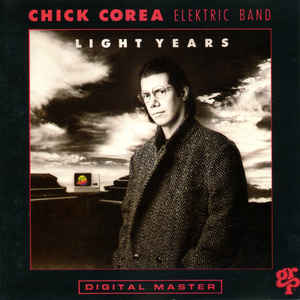
 Sylvo is not particularly known for his sense of humour, but there was surely an element of black comedy about the release of the ‘Pop Song’ 12-inch single.

 My dad was a huge Alfred Hitchcock fan.